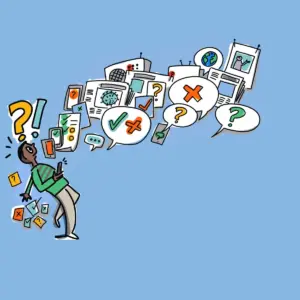






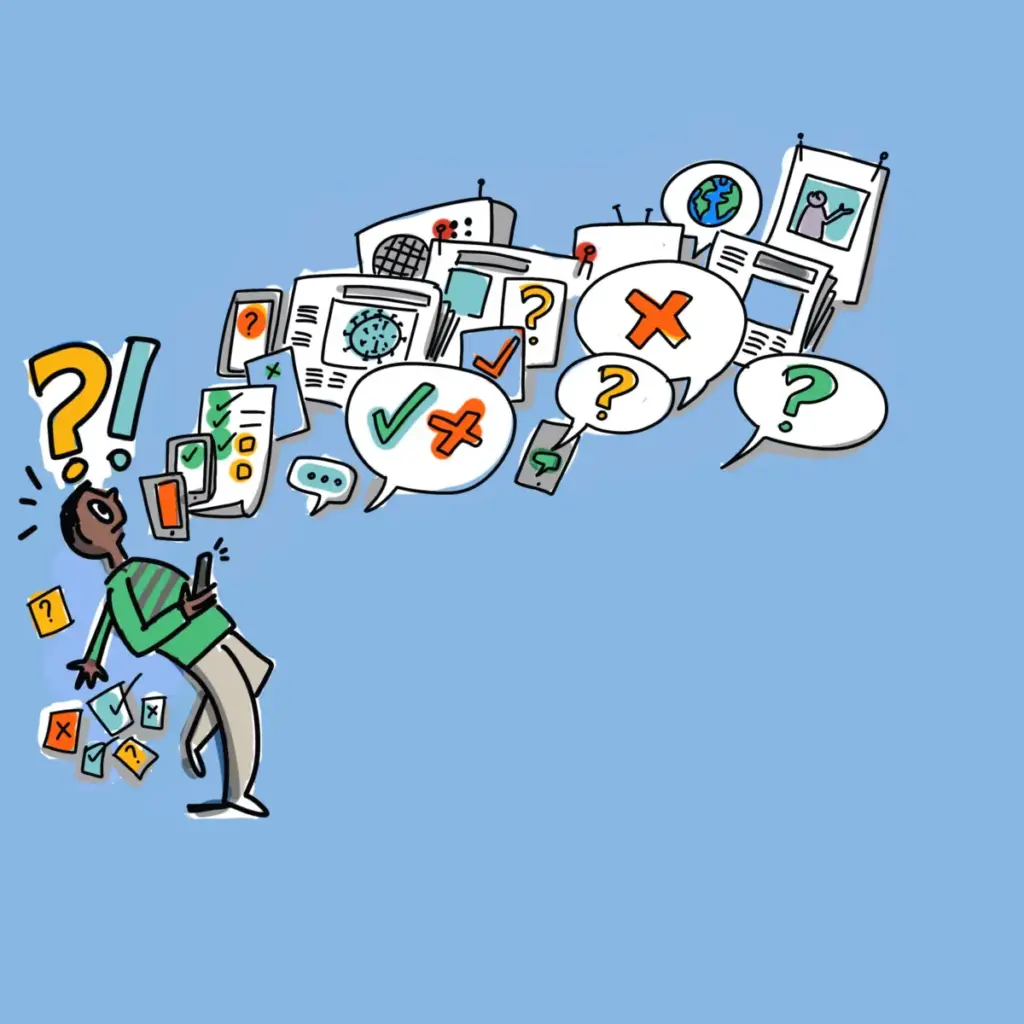
The COVID-19 pandemic stands as a unique watershed moment in human history, marking the first time a global health crisis has unfolded against the backdrop of a hyper-connected digital landscape. While technology and social media have been instrumental in maintaining essential services, fostering human connection, and disseminating real-time health data to billions, these same tools have become conduits for a secondary, equally dangerous phenomenon: the "infodemic." This massive, rapid overabundance of information—both accurate and dangerously false—has become a significant obstacle to global health efforts, undermining public trust and jeopardizing the efficacy of interventions designed to curb the spread of the virus.
An infodemic is defined by a deluge of information that obscures the truth, making it difficult for individuals to identify reliable sources of guidance. It is not merely a byproduct of social media algorithms but often includes deliberate, strategic campaigns of misinformation and disinformation aimed at advancing specific political or social agendas. By distorting public perception, these efforts directly impede the global public health response. When misinformation spreads, it threatens to erode the hard-won gains in medical science, hampers the success of vaccination programs, and complicates the implementation of critical safety measures. The consequences of this phenomenon are profound, ranging from physical and mental health decline to the stigmatization of vulnerable groups and the erosion of social cohesion.
The cost of misinformation is measured in human lives. Without the foundation of trust and accurate, science-based information, the global community struggles to maintain the momentum necessary to control the pandemic. Diagnostic tests may remain underutilized due to suspicion, and immunization campaigns may fail to reach the necessary coverage targets to achieve herd immunity. As the virus thrives in the shadows of doubt and skepticism, the efficacy of public health policies is compromised, leaving nations vulnerable and prolonging the socio-economic devastation caused by the pandemic.
Beyond the immediate health impacts, the unchecked spread of disinformation has exacerbated deep-seated societal fractures. It has polarized public discourse, fueled the proliferation of hate speech, and intensified the risk of conflict and violence. In many instances, the digital sphere has become a battleground where human rights are contested and the foundations of democracy are tested. The long-term repercussions for social cohesion and the integrity of public information are severe, as the normalization of false narratives makes it increasingly difficult to address complex challenges that require a unified, evidence-based response.
Recognizing the gravity of this threat, the United Nations Secretary-General launched the United Nations Communications Response initiative in April 2020. This project was established specifically to combat the tide of mis- and disinformation that was rapidly becoming as contagious as the pathogen itself. Shortly thereafter, on May 11, 2020, the UN issued a comprehensive Guidance Note on Addressing and Countering COVID-19 related Hate Speech, providing a framework for states and civil society to mitigate the volatile rhetoric emerging in online spaces.
The urgency of the situation was further solidified at the World Health Assembly in May 2020, where Member States adopted Resolution WHA73.1. This resolution was a landmark acknowledgement that managing the infodemic is not an optional add-on to the pandemic response, but a core component of controlling the virus. The resolution mandates that Member States prioritize the provision of reliable, accurate COVID-19 content, implement robust measures to counter the spread of false narratives, and leverage digital technologies to disseminate truth rather than fear. Furthermore, the resolution calls upon international organizations to play an active role in purifying the digital ecosystem, preventing malicious cyber activities that undermine public health, and ensuring that science-based data is accessible and comprehensible to the general public.
Despite the concerted efforts of the UN system and various civil society organizations, the infodemic persists, fueled by the ongoing uncertainty and collective anxiety generated by the pandemic. There is a palpable, urgent need for a more coordinated, aggressive, and synchronized approach among states, multilateral organizations, and private sector actors. Everyone, from policymakers to platform moderators, holds a clear responsibility to curtail the damage caused by the intentional or accidental spread of harmful information.
The current strategy relies on a call to action for all Member States to develop and implement comprehensive national action plans to manage the infodemic. These plans must center on the timely dissemination of accurate, science-based information, with a specific focus on reaching high-risk communities that are often the most targeted by misinformation. However, this effort must be balanced with the fundamental protection of freedom of expression. The challenge lies in combating the spread of dangerous disinformation while ensuring that legitimate public debate and the right to information remain protected.
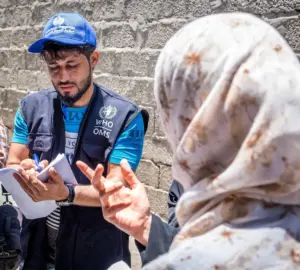
Furthermore, governments are urged to move away from top-down communication models. Instead, Member States should engage directly with their communities, listening to local concerns and fears. By empowering communities, nations can build the resilience necessary to identify and reject misinformation at the grassroots level. A community that feels heard and understood is significantly more likely to trust the guidance provided by health authorities and participate in public health initiatives.
The responsibility, however, does not rest solely with governments. The private sector—particularly media organizations and social media platforms—serves as the primary infrastructure through which information flows. These platforms must collaborate more transparently with the UN system, researchers, and technologists to design effective strategies that prioritize accuracy and integrity. Designers and developers hold a unique capacity to build tools that highlight credible sources and de-escalate the spread of inflammatory content. Civil society leaders and influencers, who hold significant sway over public opinion, are also called upon to act as responsible conduits of truth.
The road to ending the pandemic is inextricably linked to the road to ending the infodemic. As science continues to provide the tools for physical recovery, it is the responsibility of every stakeholder to ensure that the information environment remains clear, credible, and supportive of those efforts. Through sustained collaboration, a commitment to empirical evidence, and a deep respect for the communities they serve, the global community can strengthen its resilience against the forces that seek to divide and mislead. The goal is a landscape where public health information is not merely available, but trusted and actionable, serving as the common ground upon which the global recovery is built. By fostering this collaborative ecosystem, international actors and local communities alike can move closer to overcoming the pandemic, ensuring that the health and safety of the global population remain the ultimate, unchallenged priority in an era defined by digital complexity.