





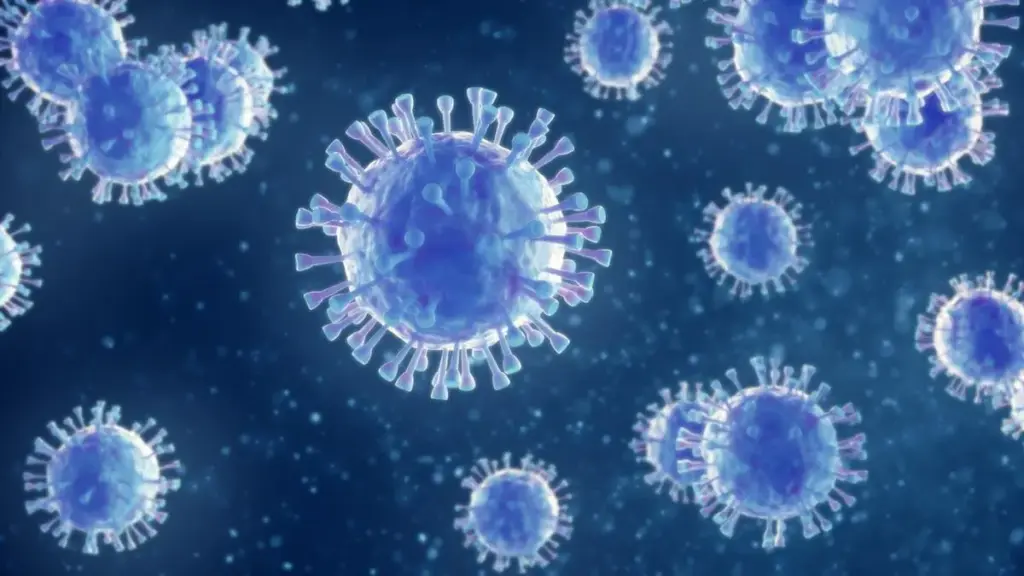
In an unprecedented move to harmonize global efforts against the ongoing pandemic, a coalition of leading international organizations and academic institutions has launched the "COVID-19 Law Lab." This initiative serves as a centralized, digital repository of legal documents from more than 190 countries, designed to assist governments in crafting and implementing robust, evidence-based legal frameworks to navigate the multifaceted challenges posed by the COVID-19 crisis.
The platform, accessible at www.COVIDLawLab.org, represents a collaborative effort between the United Nations Development Programme (UNDP), the World Health Organization (WHO), the Joint United Nations Programme on HIV/AIDS (UNAIDS), and the O’Neill Institute for National and Global Health Law at Georgetown University. By gathering disparate legislative measures into one accessible location, the Lab aims to ensure that national laws not only address the immediate health demands of the pandemic but also rigorously adhere to international human rights standards.
The Role of Law in Global Health Security
The premise behind the COVID-19 Law Lab is that the law is not merely a bureaucratic formality but a fundamental tool for health security. Well-designed legislation provides the necessary infrastructure for effective public health responses, including the building of resilient health systems, the accelerated evaluation and approval of safe, effective vaccines and therapeutics, and the enforcement of safety protocols in public spaces and workplaces.
Furthermore, these legal frameworks are essential for the implementation of the WHO International Health Regulations. This includes critical functions such as disease surveillance, infection prevention and control protocols, the management of international travel and trade, and the ongoing maintenance of essential health services that might otherwise be disrupted by the overwhelming demand of the pandemic.
Achim Steiner, the UNDP Administrator, emphasized the importance of grounding these responses in science and human rights. "Laws and policies that are grounded in science, evidence and human rights can enable people to access health services, protect themselves from COVID-19 and live free from stigma, discrimination and violence," Steiner stated. He noted that the Law Lab serves as an essential mechanism for sharing "good practices," allowing nations to learn from one another’s successes and pitfalls in real-time.
Navigating Legislative Responses to the Pandemic
Since the onset of the pandemic, the world has witnessed an explosion of urgent legislative action. From emergency declarations and lockdowns to mask mandates and social distancing requirements, governments have been forced to act with unprecedented speed. However, this rapid legislative pace carries significant risks. When laws are poorly designed, vaguely worded, or improperly enforced, they can have the unintended effect of harming vulnerable populations, entrenching existing social stigmas, and ultimately hindering the collective effort to bring the pandemic under control.
Dr. Tedros Adhanom Ghebreyesus, Director-General of the WHO, underscored the necessity of aligning national actions with global realities. "Strong legal frameworks are critical for national COVID-19 responses," Dr. Tedros remarked. "Laws that impact health often fall outside the health sector. As health is global, legal frameworks should be aligned with international commitments to respond to current and emerging public health risks. A strong foundation of law for health is more important now than ever before."
The concern regarding the potential for overreach or harm is shared by human rights advocates and international organizations alike. Winnie Byanyima, Executive Director of UNAIDS, warned against the misuse of legislative power during a time of crisis. "Harmful laws can exacerbate stigma and discrimination, infringe on people’s rights and undermine public health responses," she stated. According to Byanyima, for any response to be considered effective, humane, and sustainable, governments must view the law primarily as a tool to uphold the dignity and human rights of those affected by the virus.
A Repository of Global Best Practices
The COVID-19 Law Lab database is designed to be a living, evolving resource. It currently houses a vast array of documents, including state of emergency declarations, quarantine regulations, disease surveillance protocols, legal measures concerning mask-wearing, and policies governing access to essential medication and vaccines. As the pandemic shifts and evolves, the database will be continuously updated to include new themes and the legislative responses of more countries.
Beyond the raw legal texts, the platform provides critical research and analysis. Experts from the participating organizations will examine different legal frameworks to evaluate their efficacy and their impact on human rights. These analyses are intended to guide policymakers, helping them identify best practices that can inform their immediate crisis management and, crucially, their long-term socioeconomic recovery efforts once the acute phase of the pandemic is under control.
The initiative builds upon the foundations laid by the UHC Legal Solutions Network, which was established to assist countries in achieving universal health coverage through the implementation of rights-based legal frameworks. By leveraging the expertise of the O’Neill Institute and the UN agencies involved, the Lab aims to bridge the gap between abstract legal theory and practical, life-saving policy.
"We need to track and evaluate how laws and policies are being used during the pandemic to understand what works," said Dr. Matthew M. Kavanagh, a faculty member in the Department of International Health at Georgetown University. His colleague, Katie Gottschalk, Executive Director of the O’Neill Institute, added that the goal is to turn the lessons of the early, chaotic stages of the pandemic into a more structured, effective approach. "We must learn lessons from the early stage of pandemic policies to implement the most effective laws going forward—the COVID-19 Law Lab allows us to do just that."
Institutional Backgrounds
The success of the COVID-19 Law Lab relies on the diverse strengths of its partner organizations. The United Nations Development Programme (UNDP) operates in 170 countries, focusing on the intersection of poverty, inequality, and climate change to build lasting solutions for sustainable development. The World Health Organization (WHO), as the primary body for public health within the United Nations, leads the global response to health emergencies, working with 194 member states to ensure universal health coverage and safety.
UNAIDS remains the global leader in the fight against HIV/AIDS, uniting 11 UN organizations to eliminate new infections and discrimination, with a clear focus on achieving the Sustainable Development Goals by 2030. Meanwhile, the O’Neill Institute for National and Global Health Law at Georgetown University provides the academic rigor necessary for the project, acting as a center for innovative legal solutions to the world’s most pressing health concerns.
These entities, alongside the UHC Legal Solutions Network, are committed to ensuring that the legal response to the pandemic does not leave behind the most vulnerable. By working with policymakers and civil society, the initiative aims to craft laws that ensure every individual has access to necessary health services without facing financial ruin or the violation of their fundamental rights.
The launch of the COVID-19 Law Lab signals a recognition that, while science and medicine provide the tools to combat the virus, it is the law that provides the architecture within which those tools can be deployed effectively and equitably. As nations continue to struggle with the complexities of the pandemic, this resource stands as a vital aid in the quest to balance public safety with the rule of law.