







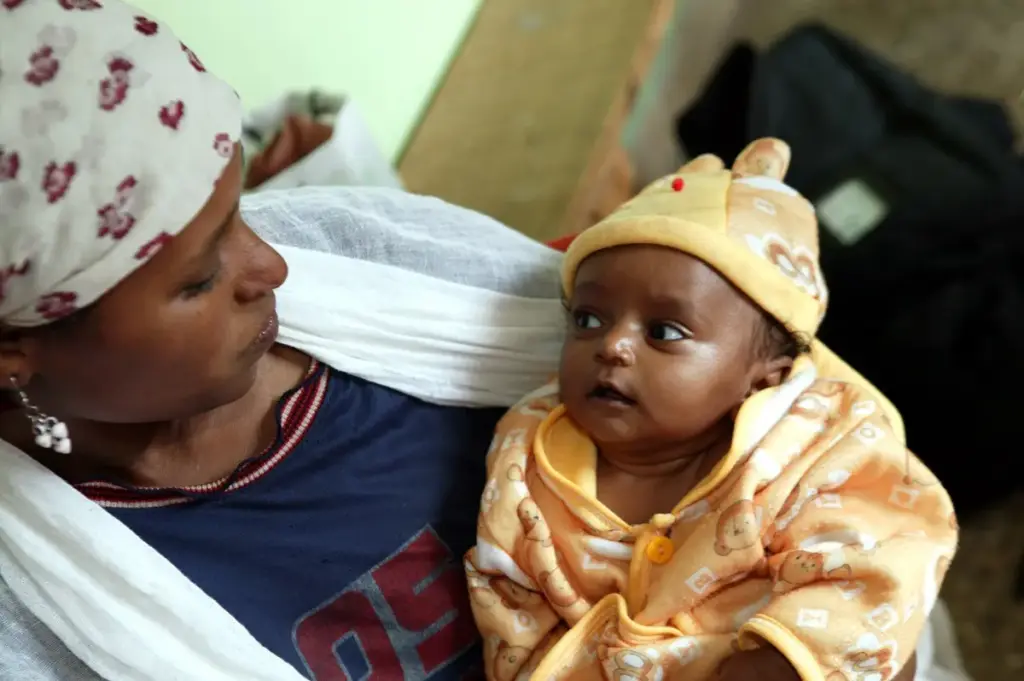
The proportion of children under five years of age chronically infected with the hepatitis B virus (HBV) has dropped to just under 1% in 2019, a dramatic decline from around 5% during the pre-vaccine era spanning from the 1980s to the early 2000s, according to landmark new estimates released by the World Health Organization (WHO).
This significant achievement marks the successful realization of a major milestone target set out in the United Nations Sustainable Development Goals. The global community has effectively reached the goal of driving the prevalence of chronic HBV infections down to under 1% in children under the age of five by the target year of 2020.
Public health advocates and global leaders have welcomed the news, pointing to the generational impact of widespread immunization campaigns. Dr. Tedros Adhanom Ghebreyesus, Director-General of the WHO, emphasized the human impact of the achievement.

"No infant should grow up only to die of hepatitis B because they were not vaccinated," Dr. Tedros said. "Today’s milestone means that we have dramatically reduced the number of cases of liver damage and liver cancer in future generations. Preventing mother-to-child transmission of hepatitis B is the most important strategy for controlling the disease and saving lives. Even in the midst of the COVID-19 pandemic, we must ensure that mothers and newborns have access to life-saving services including hepatitis B vaccinations."
To build upon this hard-fought momentum, the WHO used World Hepatitis Day 2020 to issue an urgent call for united and stepped-up international action. Public health strategies must now intensify efforts to prevent the mother-to-child transmission of HBV through expanded routine testing for pregnant women, the targeted provision of antiviral prophylaxis for those who require it, and the continuous maintenance and expansion of access to life-saving hepatitis B immunization programs and timely birth dose vaccines.
Globally, the scale of the virus remains a significant public health challenge, with more than 250 million people currently living with chronic HBV infection. Infants are particularly vulnerable to the worst effects of the disease. Approximately 90% of children who contract HBV during their first year of life develop chronic, lifelong infections. The virus aggressively attacks the liver, causing severe chronic inflammation that ultimately claims the lives of nearly 900,000 people around the world each year.
Preventing Hepatitis B
Protecting infants from the devastating impacts of HBV relies on a remarkably safe and effective vaccine that provides over 95% protection against initial infection. To maximize this protection, the WHO recommends that all newborns receive their first dose of the hepatitis B vaccine as soon as possible after birth—preferably within the first 24 hours of life—followed by at least two additional doses to complete the primary immunization series.
The vast scale-up of the hepatitis B vaccine worldwide over the past two decades stands as one of the great success stories in modern public health history. This unprecedented progress has been driven in large part by the crucial financial and logistical support provided by Gavi, the Vaccine Alliance, which has helped bring life-saving immunizations to low- and middle-income nations.
By 2019, global coverage for the complete three-dose series of the childhood hepatitis B vaccine reached an impressive 85% worldwide, a massive leap up from approximately 30% in the year 2000. However, despite these sweeping gains in childhood immunization, access to the critical first dose within 24 hours of birth remains deeply uneven across different geographic regions.
While global coverage for the timely birth dose stands at 43%, that figure plummets to 34% in the WHO Eastern Mediterranean Region and drops precipitously to just 6% across the WHO African Region.
"Expanding access to a timely birth dose of the hepatitis B vaccine is the cornerstone of efforts to prevent mother-to-child transmission of HBV," explained Dr. Meg Doherty, Director of Global HIV, Hepatitis, and STI Programmes at the WHO. "For countries especially in regions such as sub-Saharan Africa, where the birth dose of hepatitis B vaccine has not yet been introduced, it is a priority to assure that protection as early as possible."
Beyond the timely birth dose, an additional and highly effective way to safeguard children is to provide pregnant women living with high viral loads with antiviral medical treatment, which substantially reduces the risk of transmitting HBV to the newborn. The WHO already maintains a strong recommendation for the routine testing of all pregnant women for HBV, alongside routine screenings for HIV and syphilis, as early as possible in their pregnancy.
In light of emerging clinical evidence regarding the safety and efficacy of antiviral prophylaxis administered to pregnant women and their children, the WHO has continued refining its clinical guidelines. In countries that have already achieved high coverage rates for routine childhood hepatitis B immunization and timely birth doses, offering routine HBV testing to pregnant women and providing antiviral prophylaxis to those in need creates an additional, vital layer of defense to block onward transmission from mother to child.
"Stopping vertical transmission of HBV is a key pillar of the global ‘triple elimination’ initiative, which seeks to eliminate mother-to-child transmission of three infections that are prevalent in low- and middle-income countries: HIV, syphilis, and hepatitis B virus," Dr. Doherty added.
Successfully eliminating the mother-to-child transmission of HBV also serves as an indispensable stepping stone for the global health community to reach the overarching targets outlined in the WHO’s global hepatitis strategy. That strategy aims to reduce new viral hepatitis infections by 90% and lower related deaths by 65%, compared against baseline figures from 2015.
The COVID-19 Pandemic Jeopardizes Future Progress
Even as the global health community celebrates reaching the milestone target for children under five, the emergence of the COVID-19 pandemic threatens to derail future progress and reverse hard-won gains in the fight against chronic viral hepatitis.
According to a sobering new modeling study conducted by researchers at Imperial College London in close collaboration with the WHO, widespread disruptions to routine immunization and maternal health programs caused by the pandemic could have a devastating impact on the international community’s ability to reach the long-term targets of the global hepatitis strategy.
Under a worst-case pandemic scenario characterized by high levels of disruption to both the crucial birth dose and broader childhood HBV immunization programs—modeled at 60% and 20% disruptions for one year, respectively—coupled with anticipated delays and a slow recovery in vaccine program expansion post-pandemic, the projections are alarming.
The study estimates there could be an additional 5.3 million chronic HBV infections among children born between 2020 and 2030, alongside an estimated 1 million additional HBV-related deaths among those same children later in life. These findings underscore the reality that missed opportunities today to maintain preventative healthcare and immunization services will carry long-lasting, life-altering consequences for generations to come.
World Hepatitis Day is commemorated annually on July 28 to raise global awareness of viral hepatitis, a systemic inflammation of the liver that can lead to a wide spectrum of severe health complications, including cirrhosis and liver cancer. The central theme for the campaign focuses heavily on securing a "Hepatitis-free future," with an unwavering emphasis on stopping hepatitis B infections among mothers and newborns.
There are five primary strains of the hepatitis virus, categorized as types A, B, C, D, and E. Together, hepatitis B and C remain the most lethal strains, accounting for the vast majority of the 1.3 million lives lost annually to the disease. Even amidst the ongoing global crisis of the COVID-19 pandemic, viral hepatitis continues to claim thousands of lives every single day, reinforcing the urgent need for sustained public health vigilance.