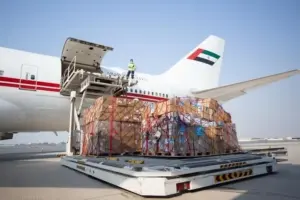








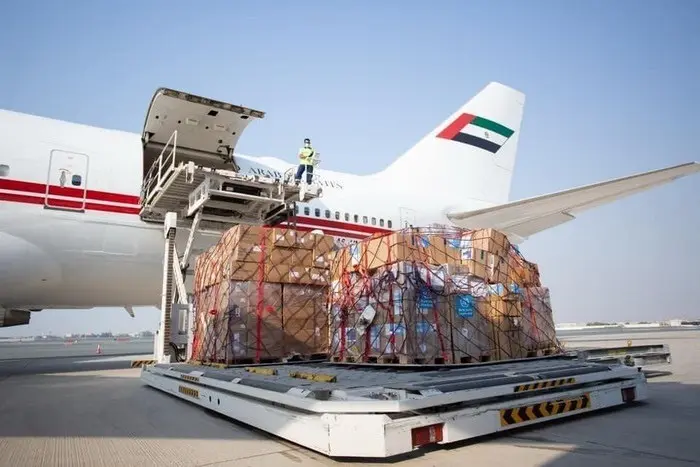
A specialized flight carrying 20 tonnes of critical World Health Organization (WHO) medical supplies has touched down in Beirut, Lebanon, marking a vital infusion of resources for a nation reeling from the catastrophic explosion that decimated parts of the city on August 4. This emergency shipment, airlifted from the WHO’s logistics hub in Dubai, is designed to provide immediate relief to an overwhelmed healthcare sector currently struggling to manage a surge of thousands of trauma and burn patients.
The supplies, which were transported on an aircraft generously donated by the Government of the United Arab Emirates—a long-standing and pivotal partner in international health emergency responses—are specifically tailored to address the acute clinical needs of the blast’s victims. According to WHO officials, the 20-tonne cargo includes enough essential equipment and medicine to facilitate approximately 1,000 trauma interventions and 1,000 surgical procedures. These resources are intended to stabilize those suffering from severe burns, blast-related trauma, and complex injuries sustained when the explosion leveled the port area and shattered infrastructure across wide swaths of the Lebanese capital.
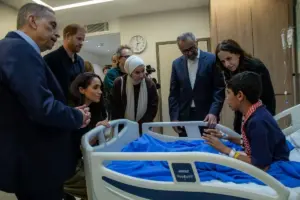
The arrival of this aid comes at a moment of profound vulnerability for Lebanon. The massive blast, which sent shockwaves across the city, caused extensive physical damage to the healthcare system itself. Preliminary assessments indicate that three major hospitals in Beirut have been rendered completely non-functional, while two others have sustained significant partial damage. The loss of these facilities has triggered a critical shortage of hospital beds, forcing medical professionals to scramble as they coordinate the transfer of injured patients to hospitals as far afield as Saida in the south and Tripoli in the north.

Dr. Iman Shankiti, the WHO Representative in Lebanon, expressed the gravity of the situation as relief efforts began in earnest. “Our hearts and prayers are with all those affected by this tragic event as we continue our mission to serve all people in Lebanon with life-saving and essential health care services,” Dr. Shankiti stated. She emphasized that the organization is maintaining a constant dialogue with national health authorities, local health partners, and the clinicians on the front lines who are currently treating the wounded. By working closely with these stakeholders, the WHO aims to identify emerging gaps in care and ensure that aid is distributed with the precision necessary to save lives.
The distribution strategy for the newly arrived 20 tonnes of supplies is being prioritized for the hospitals currently bearing the heaviest burden of the crisis. These facilities, many of which are operating beyond their intended capacity, have become the primary nodes for emergency response. The influx of medical supplies is intended to prevent a total collapse of these overwhelmed centers, ensuring that surgeons and trauma specialists have the tools required to perform life-saving operations under extreme pressure.
This emergency, however, does not exist in a vacuum. The explosion struck during an exceptionally fragile period in Lebanon’s history, compounding a series of pre-existing crises that have pushed the nation’s resilience to its breaking point. Before the blast, the country was already navigating the complex challenges of significant civil unrest, a deteriorating economic climate, and the ongoing global COVID-19 pandemic. Furthermore, the nation has been grappling with the heavy burden of supporting a large refugee population, a commitment that has strained public services for years.
The combination of these factors has created a multifaceted humanitarian challenge. For both the Lebanese Ministry of Public Health and the WHO, one of the most pressing concerns remains the continuity of the COVID-19 response. While the immediate focus has shifted toward the blast casualties, officials are acutely aware that the pandemic has not abated. Ensuring that the most vulnerable populations continue to receive targeted assistance and that infection control measures are maintained in the wake of the explosion is a top priority for the health sector. The current chaos, which has forced mass gatherings of people at hospitals and aid stations, presents a high risk for further viral transmission, necessitating a delicate balance in how medical resources are managed and distributed.
The sheer scale of the disaster has prompted a massive mobilization of international humanitarian agencies. Dr. Najat Rochdi, the UN Resident Coordinator in Lebanon, emphasized the necessity of a coordinated response to support the Government of Lebanon during this period of extreme hardship. “With the emergence of new challenges due to the latest devastating event, the United Nations in Lebanon and partners have been mobilized to provide immediate humanitarian assistance to the Lebanese people in support of the Government’s response to this tragedy,” Dr. Rochdi said. “We are in this together, and we are committed to supporting Lebanon in this very difficult time.”
The legendary resilience of the Lebanese people, which has been tested by regional conflicts and internal crises alike, is now facing one of its most severe trials to date. The sight of destroyed hospitals and the ongoing search for survivors has underscored the depth of the tragedy, but the rapid international response, exemplified by the UAE-facilitated flight and the WHO’s logistical mobilization, provides a vital lifeline.
As the recovery process begins, the focus will remain on stabilizing the health system and preventing further loss of life. The 20 tonnes of supplies delivered today represent only the first wave of support. As the situation evolves, international agencies and the Lebanese government will continue to assess the long-term impacts on the healthcare infrastructure. The road to recovery for Beirut will be long, involving the reconstruction of vital facilities and the restoration of medical services for a population that has endured successive blows. For now, the immediate task is ensuring that those injured in the blast have access to the care they desperately need, a goal that remains the central pillar of the ongoing international intervention. The UN and its partners remain on the ground, working to integrate these supplies into a broader, comprehensive strategy designed to address both the immediate surgical needs and the underlying systemic challenges facing Lebanon’s health sector in the aftermath of this unprecedented event.