








Ireland is rapidly establishing itself as a global leader in the strategic application of digital innovation to dismantle the systemic barriers that prevent millions from accessing essential healthcare. In a significant move that underscores the nation’s commitment to international health equity, the Irish government has formalized a €12.5 million donor agreement with the World Health Organization (WHO). This partnership is designed to accelerate the affordability, availability, and integration of assistive technology for the 2.5 billion people worldwide—including older persons, individuals with disabilities, and those managing chronic health conditions—who currently lack the tools necessary to live independent and dignified lives.
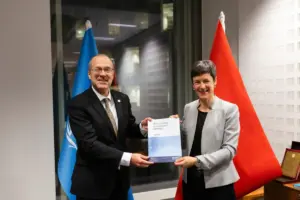
The collaboration, which was officially agreed upon in March 2024 by Anne Rabbitte, T.D., Ireland’s Minister of State with special responsibility for disabilities at the Department of Children, Equality, Disability, Integration and Youth, marks a pivotal step in addressing a growing global crisis. Assistive technology—an umbrella term encompassing products ranging from simple reading glasses, hearing aids, and walking sticks to complex wheelchairs, prosthetics, and sophisticated communication software—is a fundamental requirement for inclusive participation in modern society. By providing the financial and strategic backing for this initiative, Ireland is helping to operationalize the recommendations of the landmark Global Report on Assistive Technology, ensuring that these life-changing products reach those in the most marginalized communities.
The roots of this partnership run deep, reflecting a sustained commitment from the Irish government to international development and public health. In 2022, then-Taoiseach Micheál Martin, T.D., joined the Director-General of the WHO and the Executive Director of UNICEF to launch the Global Report on Assistive Technology. During that event, the Taoiseach emphasized that international cooperation is the only viable path toward creating a society where every individual, regardless of their physical or cognitive ability, is fully included and empowered to realize their potential. This latest funding agreement is the logical evolution of that vision, shifting the focus from assessment and reporting to implementation and systemic change.

Minister Rabbitte, in reflecting on the urgency of the new initiative, noted that Ireland has recognized a critical need to invest in public health infrastructure alongside the WHO to combat a looming global challenge. The combination of an aging global population and a rising prevalence of noncommunicable diseases has created a perfect storm for health systems. Projections indicate that by 2050, the number of people requiring some form of assistive technology will climb to an estimated 3.5 billion. Simultaneously, the world is facing a shrinking pool of health and social care professionals, a trend that threatens to widen the gap between the need for care and the capacity of healthcare systems to provide it.
"The present risk of rising health needs coupled with a decreasing pool of health and social care professionals globally reveals an urgent need for all of us to act now," Minister Rabbitte stated. "Ireland’s contribution aligns with the recommendations of the Global Report on Assistive Technology and supports a five-year initiative towards achieving national health system models that include assistive technology. The programme will explore and demonstrate how digital technology can facilitate people-centred services, assistive technology policy, improve the affordability and appropriateness of assistive products, enable effective provision systems, and boost the capacity of health personnel to identify, screen, refer and provide assistive technology for all those in need."
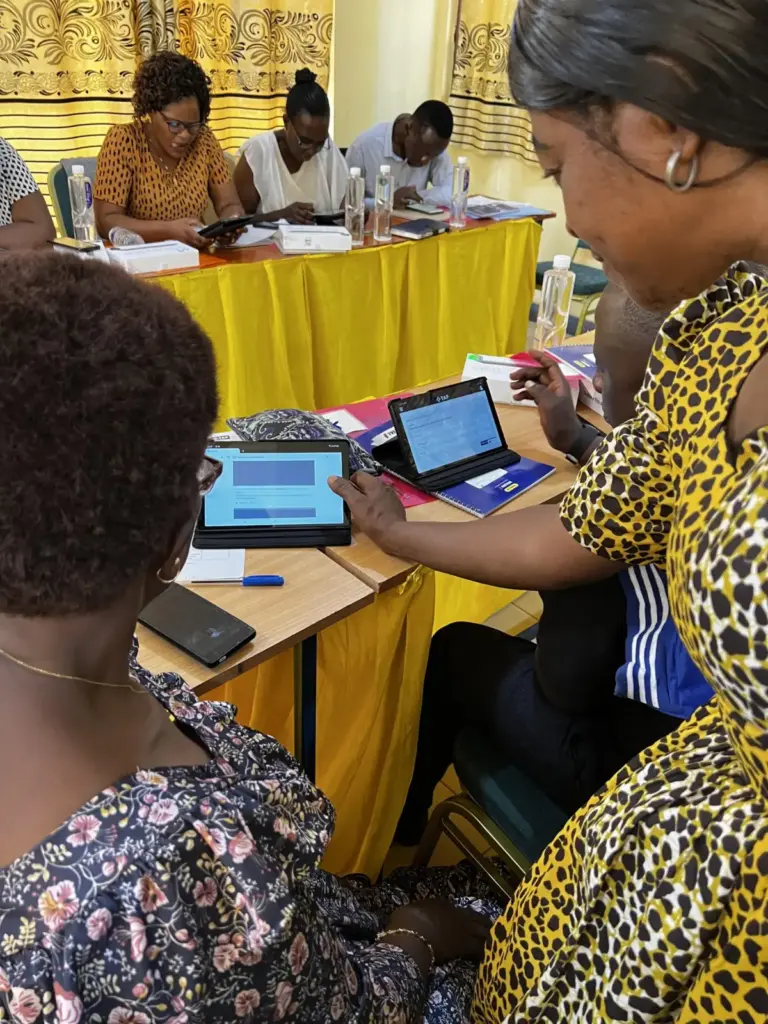
The potential of this initiative is already being demonstrated in field settings. Recent efforts, such as online training programs for health personnel in Tanzania, have shown how digital platforms can bridge the gap in resource-limited environments. By utilizing digital tools to train local healthcare workers on the provision of simple assistive products—such as walking aids and reading glasses—these programs ensure that care is delivered within local communities rather than centralized, often unreachable, facilities. Furthermore, the use of communication applications has allowed these trained workers to maintain continuous contact with mentors, ensuring that the initial training is reinforced by ongoing, high-quality support. This model of digital enablement is precisely what the new funding agreement aims to scale globally.

Dr. Yukiko Nakatani, WHO Assistant Director-General for Access to Medicines and Health Products, has welcomed Ireland’s leadership in this digital initiative. She noted that the partnership is essential for fulfilling the 2018 World Health Assembly resolution on assistive technology, which explicitly calls upon the WHO to promote equitable access to these technologies as a cornerstone of an inclusive world. According to Dr. Nakatani, the collaboration will serve as a powerful enabler of well-being, social inclusion, and active participation, directly supporting the WHO’s overarching mission to ensure "health for all, everywhere."
The scope of the work to be undertaken over the next five years is extensive. Working in tandem with a broad network of international partners, the WHO will develop evidence-based guidance for Member States, focusing on how they can prioritize and stimulate the adoption of digital solutions. This involves a multi-layered approach, including national, regional, and global projects designed to test and refine digital tools that address persistent, long-standing barriers to access. Among the anticipated projects are the development of digital platforms that provide users with transparent information about available technologies and the pathways to obtain them; the implementation of digital tracking systems to improve the management of supply chains; and the expansion of online professional training to build the capacity of local health workforces.
These efforts are not merely technical in nature; they are deeply tied to the philosophy of "leaving no one behind." This guiding principle suggests that the inclusion of people with disabilities, the elderly, and those affected by chronic illnesses in the economic, political, and social spheres is a fundamental human right. As the world continues to grapple with the demands of an aging population, the integration of assistive technology into the standard definition of Universal Health Care is becoming increasingly non-negotiable.
For the individual, the impact of these technologies is transformative. Assistive technology is not a luxury; it is a vital support system that allows people to maintain their autonomy. For a student, it might mean the difference between falling behind and excelling in their studies; for a worker, it may provide the necessary accessibility to maintain employment and financial independence; for an older person, it can facilitate self-care and participation in family life. By expanding access to tools like hearing aids, prosthetics, and digital time-management or speech-recognition software, the partnership seeks to ensure that these aids are available whenever they are needed, whether for a temporary recovery period following an injury or as a permanent support throughout an individual’s life.
Ultimately, the socioeconomic benefits of this initiative extend far beyond the individual user. When assistive technology is readily available, the burden on primary health care systems decreases, and the potential for greater societal contribution from citizens increases. As Ireland and the WHO move forward with this five-year plan, the focus will remain on the practical, tangible results that can be achieved through digital innovation. By fostering an environment where technology and health policy intersect effectively, the partnership aims to build a global legacy of accessibility, ensuring that the tools for a dignified life are within reach for everyone, regardless of their geography or socio-economic status. This, in essence, is the goal of a truly inclusive global health strategy: to ensure that as the world advances, no one is left to navigate its challenges alone.