


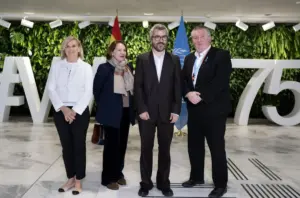




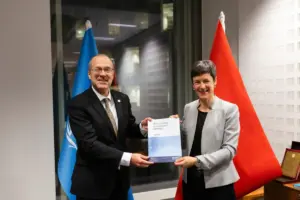
The World Health Organization (WHO) and the Kingdom of the Netherlands have formally renewed their strategic partnership, signaling a deepened commitment to addressing the escalating global health threats posed by climate change. As extreme weather events, shifting disease patterns, and environmental degradation continue to strain public health infrastructure, this renewed alliance provides a vital lifeline for countries striving to build resilient and sustainable healthcare systems.
Under the terms of the new agreement, the Netherlands has allocated an additional €500,000 for 2024 to support the WHO’s ongoing initiatives. This financial contribution is specifically designed to bolster the WHO’s Alliance for Transformative Action on Climate and Health (ATACH) Secretariat and to accelerate the implementation of high-impact climate and health programs on a global scale. This latest injection of funding brings the total investment from the Netherlands toward these critical efforts to over €1.1 million since the partnership’s inception in 2023.
This collaboration is set against a backdrop of increasing urgency. The intersection of climate change and human health has become one of the most pressing challenges of the 21st century, necessitating a coordinated, cross-sectoral response. The funding provided by the Netherlands will empower the WHO to expand its reach, helping Member States navigate the complex transition toward low-carbon health systems while simultaneously fortifying their capacity to withstand the immediate impacts of climate-related disasters.
Building on a Foundation of Global Cooperation
The partnership, which was first established in 2023, has already yielded tangible results across several continents. In its first year, the collaboration focused on helping countries in Africa, Asia, and the Eastern Mediterranean region to implement integrated climate and health surveillance systems. These systems are essential for early warning, allowing health authorities to anticipate and mitigate the health risks associated with climate volatility, such as heatwaves, floods, and the spread of vector-borne diseases.
By harmonizing these early warning systems, the partnership has enabled nations to better align their national policies with the health commitments made during COP26. Furthermore, the initiative has played a significant role in empowering local health systems to assess their readiness for climate-resilient operations. This foundational work has laid the groundwork for a more systemic approach to public health, moving beyond reactive measures toward a model that prioritizes preparedness and long-term sustainability.
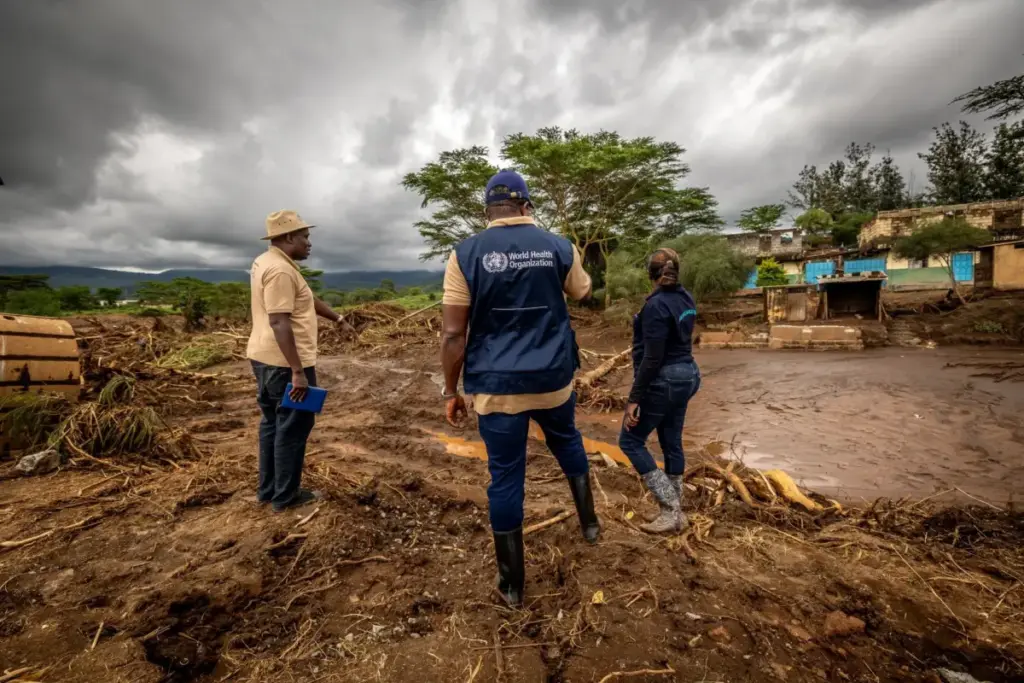
The importance of this work is highlighted by recent events, such as the catastrophic floods in Kenya during the spring of 2024. Between March and May, the country experienced exceptionally heavy rainfall that led to widespread destruction, significant fatalities, and the disruption of essential health services. In such scenarios, the WHO’s rapid response capabilities—supported by international partners—become indispensable. By evaluating the aftermath of such disasters, the WHO and its partners can better understand how to design health infrastructure that can survive future extreme weather events, protecting both lives and the continuity of care.
A Coordinated Global Policy Framework
The Netherlands has established itself as a leading voice in international climate and health advocacy. This leadership is deeply rooted in the Dutch Global Health Strategy 2023–2030, which explicitly identifies the nexus between environmental change and population health as a primary policy concern. By integrating these two fields, the Netherlands is championing a holistic approach that recognizes that the health of the planet is inextricably linked to the health of its inhabitants.
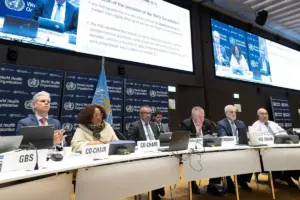
A major milestone in this advocacy occurred in 2024, when the Netherlands, in partnership with Peru, successfully led the adoption of a new resolution on Climate Change and Health at the 77th World Health Assembly. This resolution serves as a vital update to the previous 2008 framework, reflecting the current realities of a rapidly warming world. The new resolution is comprehensive in its scope, calling for the development of a robust WHO global action plan. It urges Member States to accelerate national-level efforts and calls for the mainstreaming of climate and health considerations into the WHO’s new Fourteenth General Programme of Work (GPW).

This policy-driven approach is essential for ensuring that climate change is not treated as a peripheral issue, but as a central component of global health strategy. By embedding these objectives into the GPW, the WHO ensures that its work with Member States is guided by a clear, mandate-driven roadmap that prioritizes climate resilience as a key performance indicator for the next four years.
Scaling Up for the Future
As the global health community prepares for the upcoming COP29 summit in Azerbaijan, the partnership between the Netherlands and the WHO provides a critical example of the kind of commitment required to drive systemic change. With the WHO’s latest investment case estimating that these collective efforts could save 7.5 million lives over the next four years, the stakes could not be higher.
Achieving this ambitious goal requires more than just funding; it requires a concerted effort to engage a diverse array of stakeholders. The WHO’s work involves close collaboration with civil society, multilateral development banks, UN agencies, and health professionals who are on the front lines of climate-related care. By creating platforms for these groups to coordinate their actions, the partnership ensures that resources are directed where they are most needed and that technical expertise is shared across borders.
The focus of the partnership remains on two primary pillars: building resilience in the most vulnerable regions and empowering countries to adopt low-carbon healthcare solutions. This dual approach acknowledges that while mitigation is essential to preventing the worst effects of climate change, adaptation is equally critical for those already experiencing its impacts. Countries must be equipped to manage the health consequences of a changing climate today, even as they work to decarbonize their healthcare infrastructure to ensure a healthier future.
The partnership also emphasizes the need for health to remain a central theme in international climate negotiations. Health professionals and organizations are increasingly being recognized as vital participants in discussions that were previously dominated by environmental scientists and policymakers. By advocating for this inclusion, the Netherlands and the WHO are ensuring that the humanitarian consequences of climate change are given the weight they deserve in global environmental agreements.
Looking ahead, the commitment from the Netherlands serves as a template for other nations seeking to make a measurable impact on the global climate and health agenda. By providing consistent support and leveraging technical expertise, the partnership ensures that countries are not left to face these daunting challenges alone. Whether it is through the implementation of early warning systems in flood-prone regions or the policy work that shapes global health standards at the World Health Assembly, the collaboration between the WHO and the Netherlands continues to be a cornerstone of the global effort to protect health in a changing climate.
As the international community gears up for COP29, the focus will undoubtedly remain on translating these policy commitments into action. The work supported by this partnership is already transforming how countries perceive and prepare for climate-related health risks. By prioritizing the most vulnerable and fostering a culture of resilience, the WHO and the Netherlands are helping to secure a more sustainable and equitable future for health systems worldwide, ensuring that the global health community is prepared for the complex, climate-driven challenges that lie ahead.