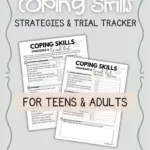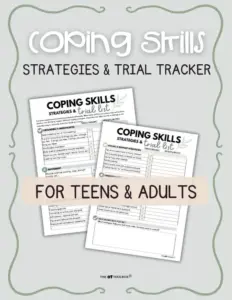






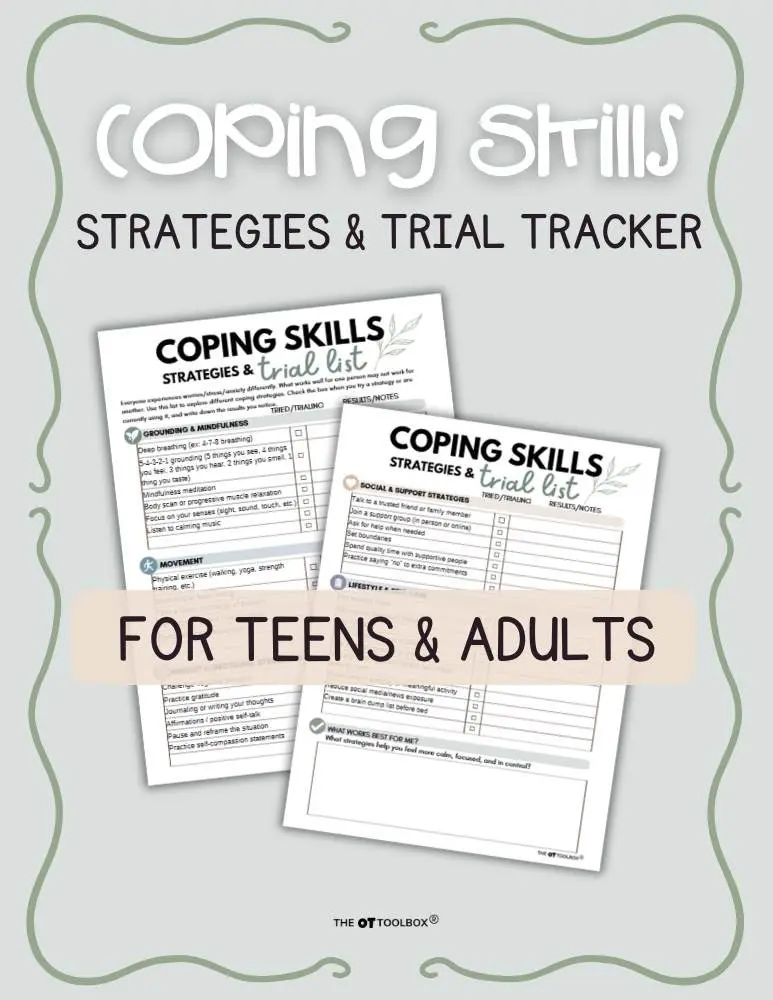
A new resource has been introduced to help individuals navigate the complex and varied landscape of anxiety management. Developed in tandem with the ongoing Daily Cup Reset Project—a social media initiative focused on simple strategies for nervous system regulation and self-regulation across platforms like Facebook, Instagram, and TikTok—the newly released coping skills for anxiety printable offers a structured framework for exploring and tracking effective emotional regulation techniques.
Anxiety is widely recognized for presenting differently from person to person. While some individuals experience psychological symptoms such as racing thoughts and difficulty concentrating, others notice distinct physical manifestations, including muscle tension, headaches, stomach discomfort, restlessness, and fatigue. Because these symptoms can significantly disrupt sleep, social participation, work performance, executive functioning, and daily routines, mental health professionals and educators emphasize that coping strategies must be individualized. Techniques that provide relief for one person may prove entirely ineffective for another, highlighting the need for a systematic method of trial and error rather than relying on random interventions.
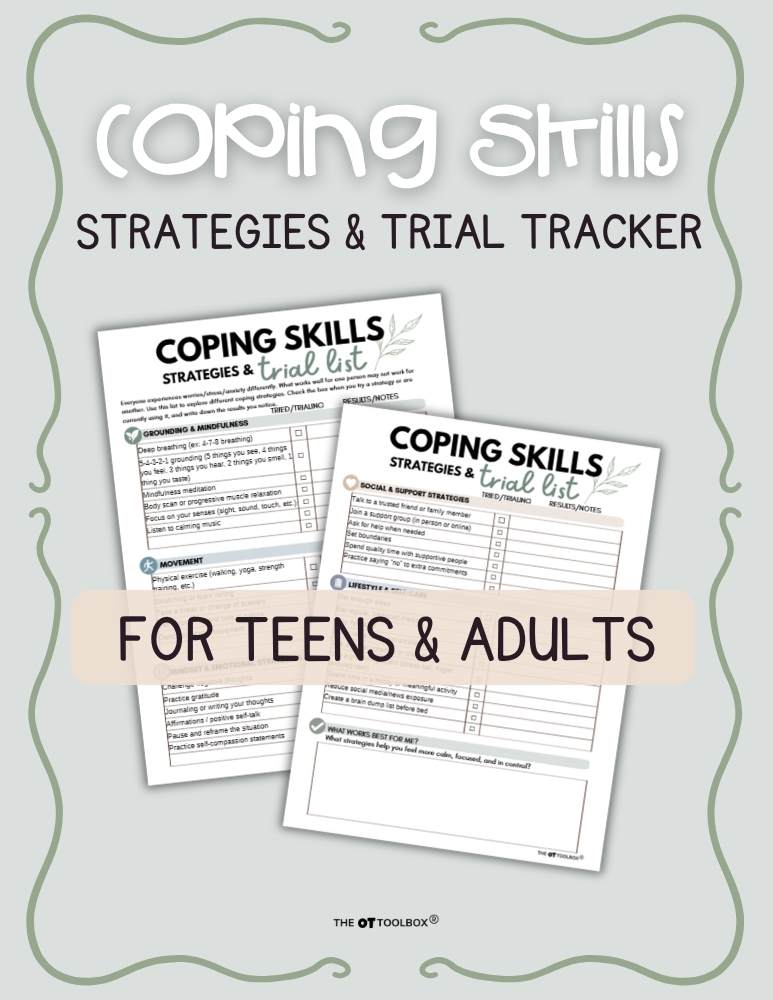
The newly released printable resource is designed specifically to help individuals explore various strategies, trial them intentionally, and document their real-world results. Rather than randomly attempting different techniques and hoping for positive outcomes, the accompanying worksheet encourages a structured approach that allows users to identify what they have tried, observe emerging patterns, and ultimately build a personalized coping toolbox. For occupational therapists, counselors, educators, and adults utilizing the tool independently, the worksheet serves as a practical instrument for self-reflection and emotional regulation.

Coping skills are broadly defined as actions, routines, and strategies designed to help manage stress responses and support overall nervous system regulation. Experts note that effective coping tools do not necessarily eliminate anxiety entirely; instead, they serve to lower the intensity of symptoms and improve an individual’s ability to participate in meaningful daily activities. The overarching goal of utilizing these strategies is to build somatic and mental awareness regarding what helps the body and mind function at their best.
Among the primary categories of intervention highlighted in the new project are grounding and mindfulness strategies. Grounding techniques are specifically utilized to bring an individual’s attention back to the present moment, effectively interrupting the cycles of future worries and repetitive thinking patterns often associated with anxiety. Deep breathing, for instance, helps regulate the autonomic nervous system and reduce the physical symptoms tied to stress responses. Similarly, the well-known 5-4-3-2-1 grounding technique asks individuals to actively identify elements in their immediate environment, thereby redirecting their focus toward sensory information and away from racing thoughts. Complementing these are various mindfulness activities that encourage non-judgmental awareness, helping individuals notice emotions and bodily signals before they escalate into overwhelming states.
Physical movement and well-being also play a critical role in emotional regulation and nervous system functioning. Exercise is known to increase endorphins and reduce the physical tension accumulated during periods of stress. However, movement does not necessarily require high-intensity workouts; simple activities such as walking, stretching, yoga, or even changing physical environments can provide significant regulatory support. Furthermore, heavy work activities offer proprioceptive input that actively promotes a sense of calm and enhances body awareness, making them valuable components of an individualized sensory lifestyle or sensory diet.
In addition to physical and grounding interventions, thinking and emotional regulation strategies address the mindset shifts often required when dealing with anxiety. Anxiety frequently alters cognitive patterns, leading to phenomena such as catastrophizing, repetitive worries, negative self-talk, and difficulty shifting attention. Journaling is frequently employed to organize thoughts and externalize worries, which can reduce the mental effort required to hold multiple concerns simultaneously. Positive self-talk helps challenge automatic negative thinking, while gratitude exercises shift attention toward positive experiences and strengths. Cognitive reframing encourages individuals to examine their thought processes more critically, helping to dismantle irrational fears and promote a growth mindset.
Social and support strategies form another crucial pillar of emotional regulation. Because humans inherently regulate through relationships, supportive social connections can effectively reduce emotional loads and increase feelings of safety. Although many adults feel an internal pressure to handle stress entirely on their own, professional resources continually emphasize that social support remains one of the strongest protective factors for long-term emotional well-being.
Lifestyle and self-care routines round out the comprehensive approach to anxiety management. Daily habits, including sleep patterns, hydration, nutrition, and structured daily routines, exert a profound influence on nervous system functioning. While these foundational habits may appear simple, establishing consistent routines often creates meaningful, cumulative improvements over time.
A common obstacle in anxiety management is the tendency to try a strategy once, find it ineffective, and abandon it prematurely. To combat this, the new resource outlines distinct differences between immediate coping tools and those requiring sustained practice. Immediate strategies, such as deep breathing or sensory shifts, can create noticeable physiological changes within minutes. Conversely, other strategies require repeated, consistent use over a period of one to two weeks before their benefits become fully apparent. Consistency is emphasized as a critical factor, as a strategy utilized only during moments of peak overwhelm may appear to fail simply because it has not been practiced under calmer baseline conditions.
When trialing new coping strategies, users are encouraged to observe both emotional and functional changes rather than looking solely for the complete disappearance of anxiety. Questions integrated into the evaluation process prompt individuals to consider whether they feel slightly more regulated, more focused, or better equipped to continue participating in daily tasks.
To maximize the utility of the printable, the worksheet features a dedicated Results and Notes section designed to transition data collection from vague assessments to specific, actionable observations. Rather than recording generalized remarks, users are encouraged to document precise details, such as noticing reduced shoulder tension, experiencing improved sleep onset, achieving better focus despite lingering worries, or realizing that a specific strategy works best when paired with physical movement. Over time, these detailed notes allow individuals to identify clear patterns, revealing whether movement-based techniques, sensory tools, or cognitive strategies yield the best results for their unique profile.
The rollout of this anxiety coping skills printable provides a structured, flexible pathway for individuals, therapists, and educators seeking to move beyond guesswork and construct a reliable, personalized toolbox for everyday life. Colleen Beck, an occupational therapist with decades of experience across school-based, pediatric, and clinical settings and the creator of The OT Toolbox, notes that the resource is now available as part of the broader Coping Skills Toolbox collection, offering a practical bridge between theoretical regulation strategies and measurable, real-world application.