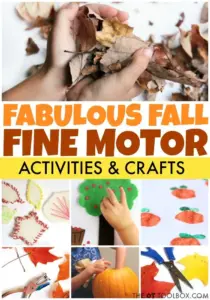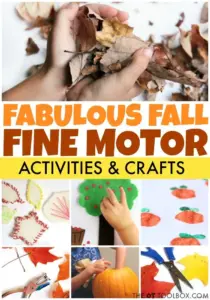


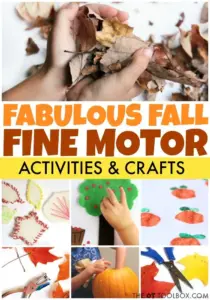



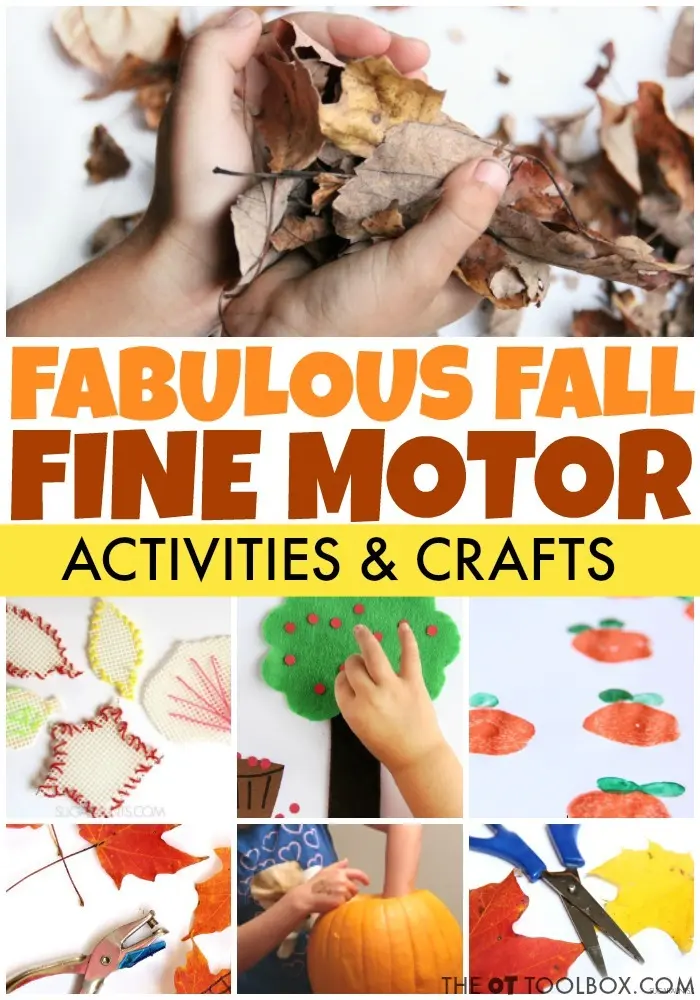
As the autumn air turns crisp, and changing leaves paint the landscape in vibrant shades of red and gold, educators, occupational therapists, and parents are leaning into seasonal themes to support childhood development. While fall-inspired crafts and sensory bins are a staple of the season, experts emphasize that pumpkins, apples, leaves, and acorns can serve as powerful clinical tools. Rather than choosing seasonal activities purely for festive entertainment, specialists are utilizing fall materials to target specific, foundational fine motor needs in children, ranging from hand strength and finger dexterity to advanced visual-motor integration and handwriting endurance.
The shift toward purposeful autumn programming addresses a critical phase in early childhood development. Fine motor skills—the coordination of small muscles in movements involving the hands and fingers—form the bedrock of daily independence and academic success. Everything from manipulating clothing fasteners and opening lunch containers to holding a pencil correctly relies on robust fine motor control. By integrating natural elements like pinecones, gourds, and leaves into therapeutic and classroom settings, professionals are finding new ways to make skill-building engaging, natural, and remarkably effective.
Fall Hand Strength Activities
Hand strength is a primary focus for occupational therapists working with young children. Weak hand muscles can manifest as fatigue during writing tasks, difficulty managing scissors, or an awkward pencil grasp. Autumn provides a wealth of resistive materials that naturally encourage children to build hand and finger strength without feeling like they are doing strenuous work.
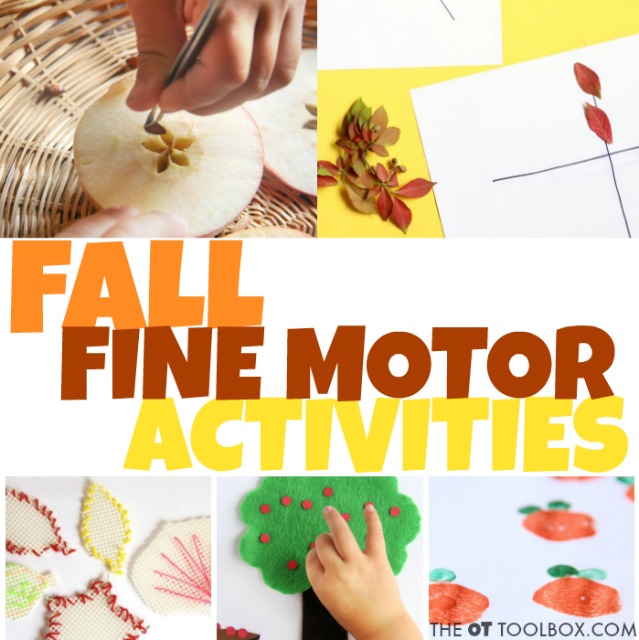
Among the favored tools in clinical toolkits are apple-themed geoboards. By stretching rubber bands across pegs to recreate apple designs, children encounter resistance that directly challenges their finger and hand strength. The activity simultaneously fosters bilateral coordination, as one hand must stabilize the board while the other stretches the band, requiring careful visual-motor planning and controlled release. Therapists often adapt these exercises by introducing thicker or more resistant bands for older children, or by simplifying the visual patterns when the spatial demands prove too challenging.
Play dough remains a cornerstone of pediatric therapy regardless of the season, but fall-themed variations offer unique sensory and physical benefits. Rolling, squeezing, pinching, and pressing soft dough provides essential proprioceptive feedback while developing the intrinsic muscles of the hand, the arches of the palms, and wrist stability. To elevate the therapeutic value, therapists frequently hide small seasonal items—such as miniature leaves, plastic acorns, or colored beads—inside the dough, prompting children to use their fingers to dig, pinch, and extract the hidden objects.
Hole-punching activities represent another effective approach to building hand strength. Using a standard hole punch along the perimeter of printed apple or leaf shapes requires sustained manual force. The physical action strengthens the gross grasp while incorporating a visual-motor component as the child aligns the punch with the designated edge.
Fall Dexterity Activities
While raw strength is vital, manual dexterity dictates how efficiently and precisely a child can use their fingers for intricate tasks. Dexterity requires a complex interplay of speed, precision, strength, and visual-motor coordination. When these components break down, children often struggle with fine motor manipulation.
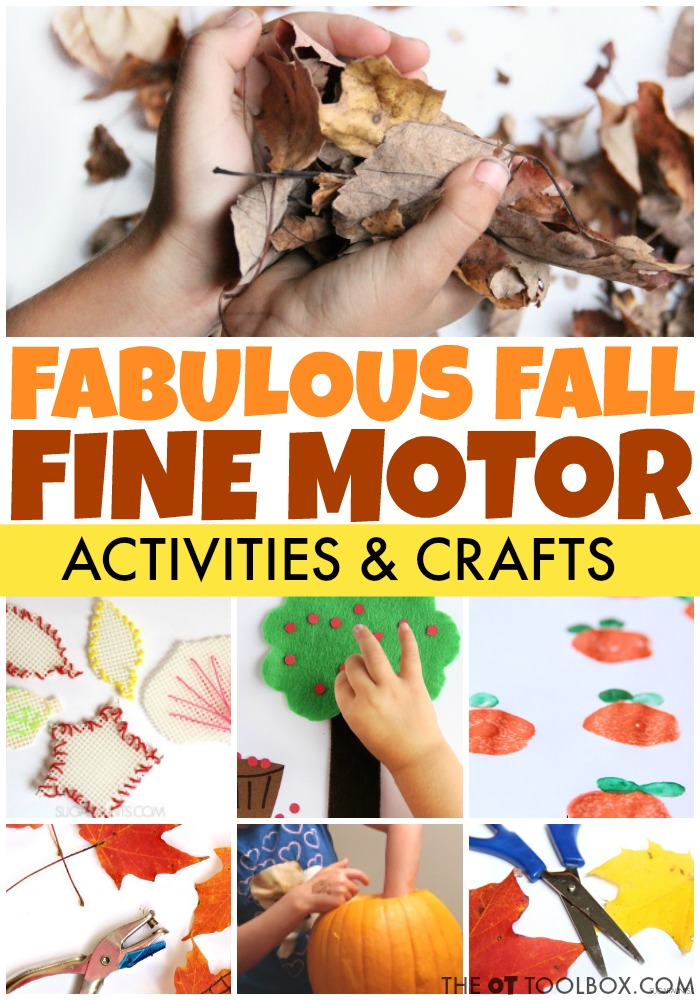
Seasonal manipulatives such as craft pom-poms, seeds, mini erasers, and paper clips transform basic counting and sorting tasks into sophisticated dexterity exercises. For instance, fall-themed tree geoboards require children to use their fingertips rather than their whole hands to grasp, stretch, and position rubber bands around individual pegs. This focused fingertip control is essential for developing the dynamic tripod grasp needed for mature handwriting.
Paper clip activities offer another portable and adaptable method for building dexterity. By attaching specific numbers of paper clips to apple-themed counting cards, children practice precise fingertip movements alongside number concepts. Similarly, transferring fall-colored pom-poms into ice cube trays or muffin tins using tongs or tweezers refines hand-eye coordination and pincer control. Therapists can easily adjust the difficulty of these tasks by altering the size of the manipulatives or changing the gripping tools.
Fall Scissor Skills and Cut-and-Paste Crafts
Cutting with scissors is a notoriously complex developmental milestone that demands asymmetrical bilateral coordination. While the dominant hand opens and closes the scissors, the stabilizing hand must rotate and guide the paper. Autumn themes provide a natural backdrop for scissor skill development through structured cutting pages and seasonal foliage projects.
When children cut along visual paths on apple-themed practice sheets, therapists observe how well they coordinate both hands, whether they maintain a proper thumb-up scissor position, and how smoothly they manage directional changes. For children living in regions with seasonal foliage, real leaves offer a tactile and satisfying medium for snipping and cutting practice. Snipping leaves into small pieces or cutting along pre-drawn lines reinforces line awareness and strengthens hand muscles.
Beyond basic cutting, fall-themed cut-and-paste crafts introduce executive function and spatial planning demands. Children must first cut out various farm or autumn-themed components, visually determine their correct orientation, follow an assembly sequence, and glue them into place. This multi-step process successfully merges scissor proficiency with bilateral coordination, visual-spatial reasoning, and sequential thinking.
Visual-Motor Integration in Autumn Tasks
Adequate hand strength and dexterity alone do not guarantee success in fine motor tasks. Children frequently struggle when an activity requires visual-motor integration—the ability to coordinate visual information with physical movement, such as copying a design, following a line, or reproducing spatial relationships.
Autumn-themed directed drawing exercises invite children to replicate illustrations of acorns, leaves, and pumpkins. By observing a model and reproducing the lines on paper, students practice determining where strokes begin and end while managing spatial relationships. Pattern block activities further bridge this gap by requiring children to visually discriminate between shapes, determine their correct orientation, and position them to match a seasonal template.
Seek-and-find or "I Spy" activities featuring autumn or back-to-school items provide targeted practice in visual scanning, figure-ground perception, and sustained attention. Therapists often enhance these visual tasks by incorporating a fine motor element, such as having the child circle each discovered item, cover it with a small manipulative, or secure it with a clothespin.
Handwriting Integration and Accessible Strategies
Rather than practicing isolated letter formations on blank paper, educators increasingly utilize seasonal writing prompts to embed handwriting practice within meaningful contexts. Fall writing prompts allow instructors to cater to diverse ability levels within a single classroom or therapy group. Emerging writers might practice a single seasonal word, while beginning writers compose a full sentence, developing writers respond to a prompt, and older students plan and draft cohesive paragraphs. This flexibility enables educators to target specific components such as line awareness, letter spacing, size, and endurance.
For classrooms with limited preparation time, everyday items found outdoors or around the home offer immediate, no-prep fine motor solutions. Fallen leaves can be torn, crumpled, punched, cut, sorted, or strung. Acorns can be picked up with tongs, counted, or transferred. Common household items like clothespins and plastic bread ties can be repurposed to attach leaves to cardboard trees or manage ghost-themed crafts, offering accessible ways to reinforce hand strength and coordination.
As educators and therapists plan their seasonal sessions, the emphasis remains on purposeful play. By harnessing the rich sensory experiences and natural materials of autumn, professionals continue to provide children with the foundational tools necessary for lifelong fine motor competence.