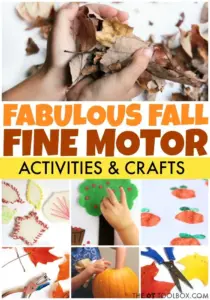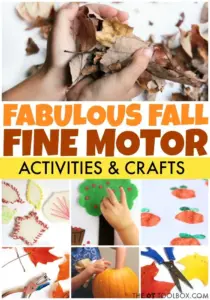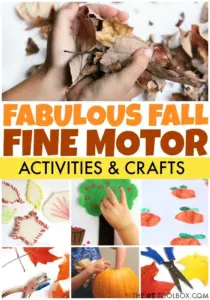








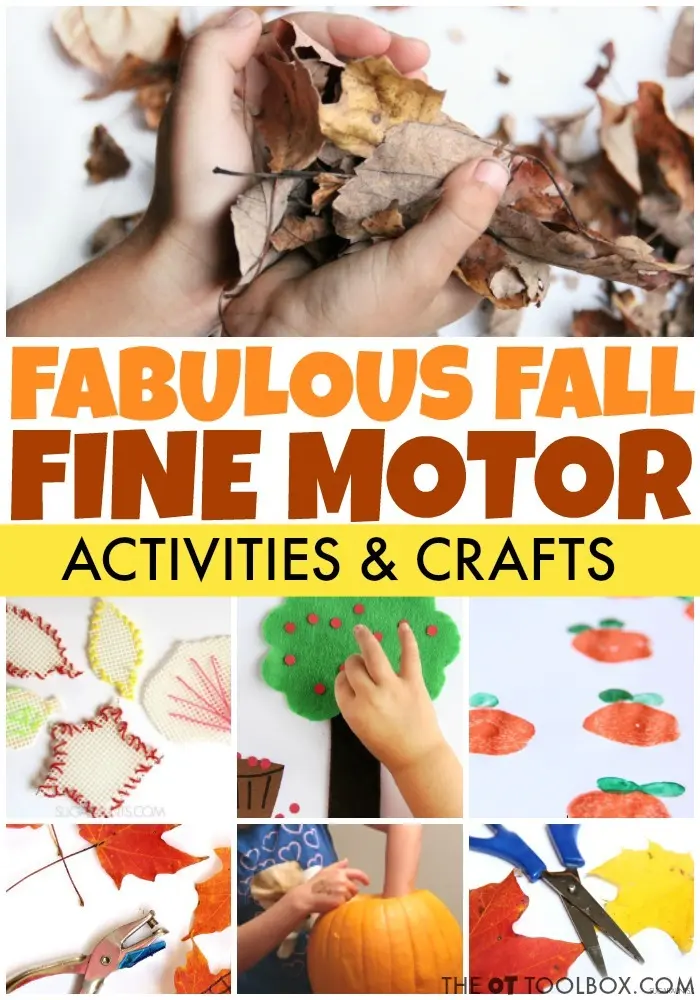
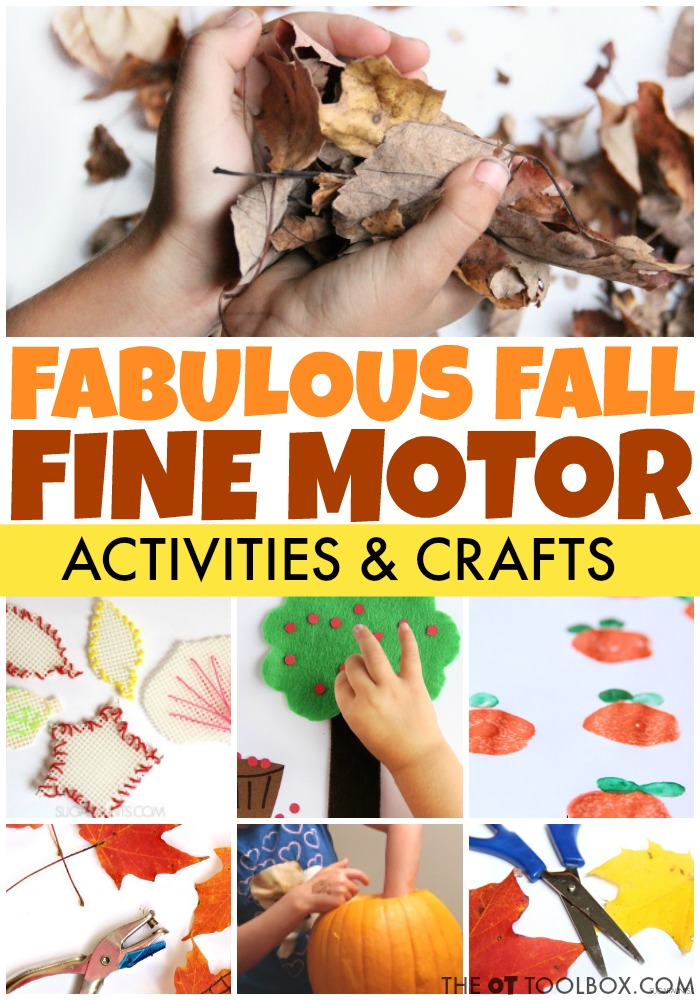
As the autumn air brings crisp temperatures, changing leaves, and the ubiquitous presence of pumpkin spice, pediatric occupational therapists, educators, and parents are increasingly leaning into seasonal themes to support child development. Rather than choosing fall-themed activities simply for festive entertainment, professionals are utilizing apples, leaves, pumpkins, acorns, and farm motifs to purposefully target specific fine motor needs in children, from toddlers to school-aged students.
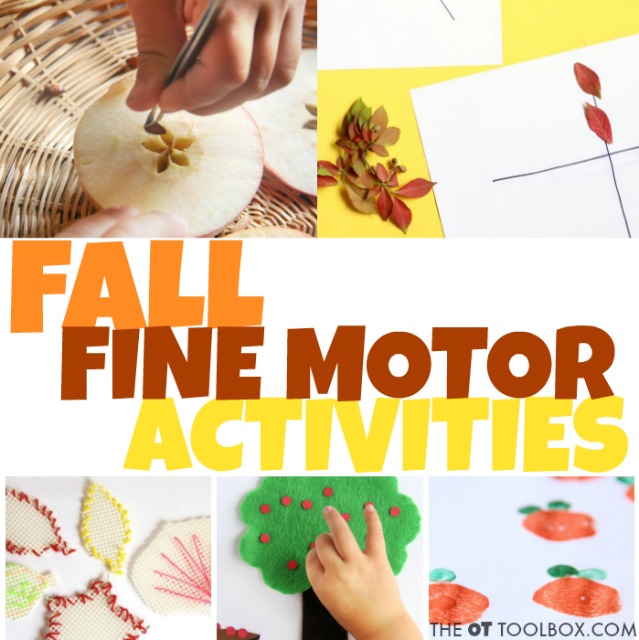
Experts emphasize that seasonal materials offer a natural, engaging bridge to address complex developmental milestones. A comprehensive fall fine motor activity framework allows therapists and teachers to pinpoint precise areas of growth, including hand strength, finger dexterity, scissor skills, visual-motor integration, and handwriting. Because many hands-on autumn projects naturally overlap across multiple developmental domains, educators are finding flexible ways to adapt these exercises based on individual student capabilities and therapeutic goals.
The shift toward seasonal developmental tools coincides with a broader push for integrated sensory and motor learning. Professionals note that activities celebrating the season can effectively encourage both fine and gross motor movement through immersive sensory experiences. By incorporating elements like tactile exploration, proprioceptive feedback, and visual-motor coordination, children are able to build foundational muscle strength without the monotony of traditional, isolated exercises.
Fall Hand Strength and Resistance Exercises
Hand strength remains a foundational requirement for daily academic and self-care tasks, such as writing, cutting, and managing clothing fasteners. When children exhibit weak hand strength, therapists often introduce resistive materials that challenge the small intrinsic muscles of the hand.
One popular therapeutic tool is the apple geoboard, where children stretch rubber bands across pegs to recreate specific apple designs. The physical act of pulling and positioning the bands provides necessary resistance for fingers and hands while demanding precision and controlled release. Therapists can easily modify this challenge by utilizing thicker or more resistant bands for advanced hand strengthening, or by simplifying the visual-motor design for children who find the spatial demands too difficult.
Similarly, play dough remains a staple in both classrooms and therapy clinics regardless of the season. Rolling, squeezing, pinching, and pressing autumn-colored dough provides varied resistance while simultaneously supporting pincer grasps, tripod grasps, wrist stability, and arch development. The soft, squishy medium offers a rich tactile sensory challenge paired with proprioceptive feedback. Therapists frequently enhance the activity by hiding mini leaves, seasonal erasers, or colored beads inside the dough, or by pairing the medium with themed prompt cards to encourage purposeful shaping.
Another effective strategy for building sustained hand force involves traditional hole-punch activities. By drawing or printing apple outlines and having children punch holes along the outer edges, students engage the sustained hand strength required for manipulating tools, while the visual tracking along the border incorporates a crucial visual-motor component.
Enhancing Manual Dexterity Through Seasonal Manipulatives
Manual dexterity requires the efficient, coordinated use of the fingers to execute small, precise movements. When this domain breaks down, children often struggle with speed, precision, and the intricate finger isolation necessary for advanced fine motor tasks. Fall-themed manipulatives—such as craft pom-poms, seeds, mini erasers, paper clips, and small craft components—transform simple seasonal play into targeted dexterity exercises.
Fall tree geoboards, for instance, challenge children to manipulate rubber bands around individual pegs using their fingertips rather than their whole hand. Grasping, stretching, repositioning, and releasing the bands with control fosters fine motor precision and bilateral coordination, as one hand stabilizes the board while the other navigates the elastic material.
Paper clip counting activities provide another portable method for addressing fine motor needs. By attaching a specific number of paper clips to laminated apple counting cards, children practice precise fingertip movements and bilateral hand use. The physical act of opening and positioning the clips refines eye-hand coordination while simultaneously reinforcing early number concepts.
Additionally, transfer tasks utilizing autumn-colored pom-poms, tongs, or tweezers encourage targeted finger manipulation. By moving small objects into ice cube trays, muffin tins, or compartmentalized containers, children refine their grasp precision. Therapists can easily grade the activity up or down by altering the size of the pom-poms or changing the mechanics of the transfer tool.
Refining Scissor Skills and Cut-and-Paste Mechanics
Scissor skills represent a complex developmental milestone requiring the two hands to perform completely different, coordinated actions simultaneously. While the cutting hand repeatedly opens and closes the scissors, the assisting hand must stabilize, rotate, and guide the paper along a visual path.
Specialized cutting practice pages featuring apples and geometric lines allow children to develop this bilateral proficiency. Therapists closely observe whether a child maintains proper thumb orientation, uses an appropriate grasp, or struggles with the continuous coordination of the helper hand. For children with access to outdoor autumn foliage, working with real leaves provides an engaging tactile experience. Snipping leaves into small pieces, cutting around natural edges, or snipping paper leaves helps reinforce line awareness and bilateral control.
Beyond basic cutting, structured cut-and-paste crafts introduce higher-level executive functioning demands. Children must not only cut out individual components but also visually determine where the pieces belong, orient them correctly, follow an assembly sequence, and apply glue precisely. This multi-step process successfully merges scissor skills with visual-spatial awareness and direction-following.
Integrating Visual-Motor and Handwriting Competencies
A child may possess adequate hand strength and finger dexterity yet still struggle when a task requires them to coordinate visual input with motor output. Visual-motor integration is essential for copying designs, following lines, locating targets, and reproducing spatial relationships.
Fall-themed directed drawing activities—featuring acorns, leaves, apples, and pumpkins—require students to examine a visual model, determine where lines begin and end, and replicate spatial proportions on paper. Similarly, pattern block designs combine fine motor manipulation with visual discrimination, challenging children to identify correct shapes, determine proper orientation, and position pieces relative to one another.
Visual scanning and attention are further addressed through seasonal "I Spy" seek-and-find puzzles. By scanning complex pages for hidden autumn items, children exercise visual attention and figure-ground perception. Therapists often enhance these visual tasks by incorporating a fine motor element, such as having the child circle found items, cover them with small manipulatives, or attach a clothespin to the corresponding picture.
When transitioning to handwriting, educators and therapists frequently utilize thematic writing prompts rather than isolated letter drills. By anchoring writing tasks to meaningful fall contexts, instructors can target specific handwriting components—such as line awareness, letter spacing, size, formation, and writing endurance—tailoring the complexity seamlessly across diverse developmental stages from emerging to older writers.
Practical No-Prep and Sensory-Rich Fall Strategies
For classrooms and therapy centers seeking accessible, no-prep alternatives, everyday natural elements provide rich opportunities for fine motor engagement. Gathering leaves allows children to practice tearing, crumpling, punching, cutting, sorting, and stringing. Acorns and pumpkin seeds serve as natural counters for sorting, counting, and transferring tasks, while everyday household items like plastic bread ties can be repurposed into engaging manipulation crafts that build finger strength.
As educators and clinicians continue planning seasonal programming, ready-to-use developmental resources remain in high demand. By integrating structured fine motor tasks with the sensory richness of the autumn season, professionals are ensuring that children build the foundational physical skills necessary for academic and daily success in a engaging environment.