
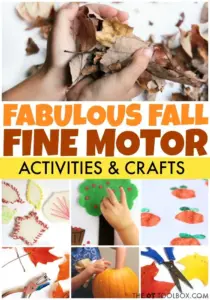







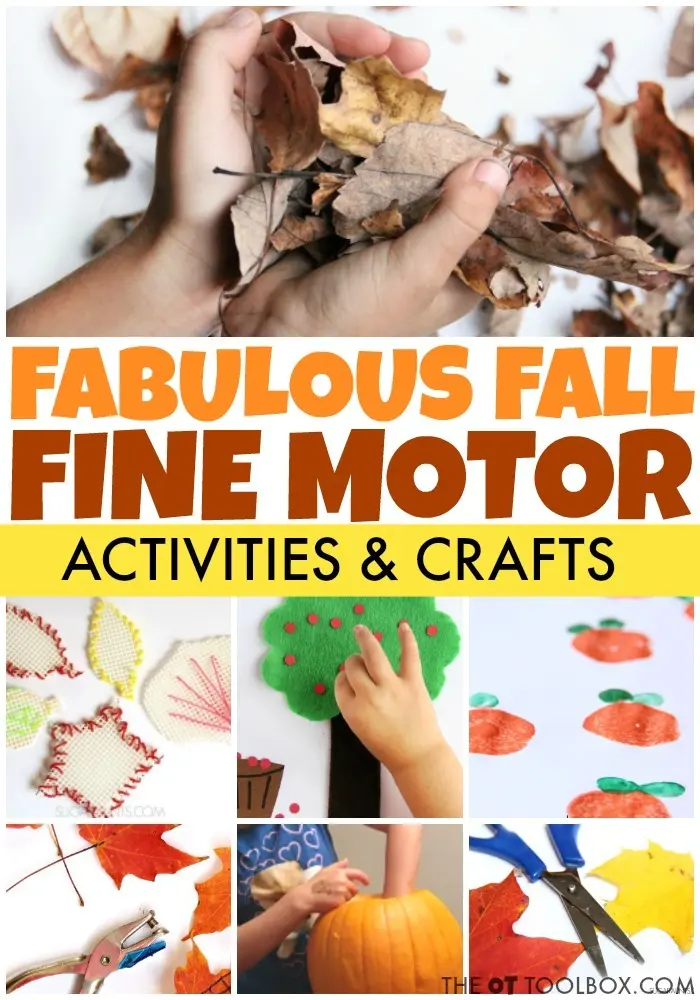
As the autumn air turns crisp and vibrant foliage begins to blanket neighborhoods, occupational therapists, educators, and parents are leaning into seasonal themes to support children’s developmental milestones. Rather than selecting seasonal activities purely for festive entertainment, professionals are utilizing apples, leaves, pumpkins, acorns, and other autumn elements to target specific fine motor, visual-motor, and sensory processing needs.
The changing season provides a natural backdrop for developmental growth. Integrating autumn-themed materials into therapy clinics, preschools, and home play environments allows children to practice crucial physical skills in a way that feels engaging rather than clinical. These activities are designed to address core areas such as hand strength, finger dexterity, scissor proficiency, visual-motor integration, and foundational handwriting capabilities.
Many autumn-inspired tasks naturally overlap, allowing practitioners to address multiple developmental domains simultaneously through simple adaptations. For instance, basic play dough exercises can be modified to encourage pincer grasps, tripod grasp positioning, wrist stability, and hand arch development, all while offering a tactile and proprioceptive sensory challenge. By hiding small items like miniature leaves, acrylic erasers, or colored beads inside homemade or store-bought play dough, children engage in the heavy work of rolling, squeezing, and pinching, which strengthens the small intrinsic muscles of the hands.
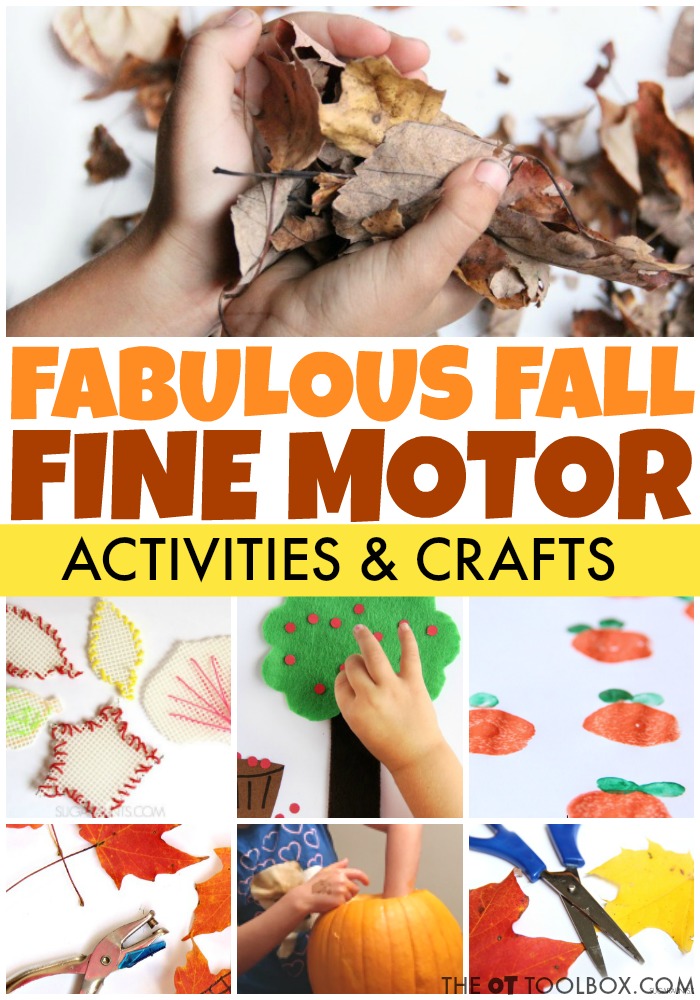
Hand strength remains a fundamental prerequisite for daily tasks such as managing clothing fasteners, opening food containers, and maintaining an efficient pencil grip. Therapists frequently incorporate tools like apple geoboards, where children stretch rubber bands across pegs to recreate seasonal designs. This maneuver introduces controlled resistance, bilateral coordination, and motor planning. Similarly, operating a handheld hole punch around the perimeter of printed apple shapes or real autumn leaves demands sustained hand force and precise visual-motor alignment, transforming ordinary craft materials into effective hand-strengthening instruments.
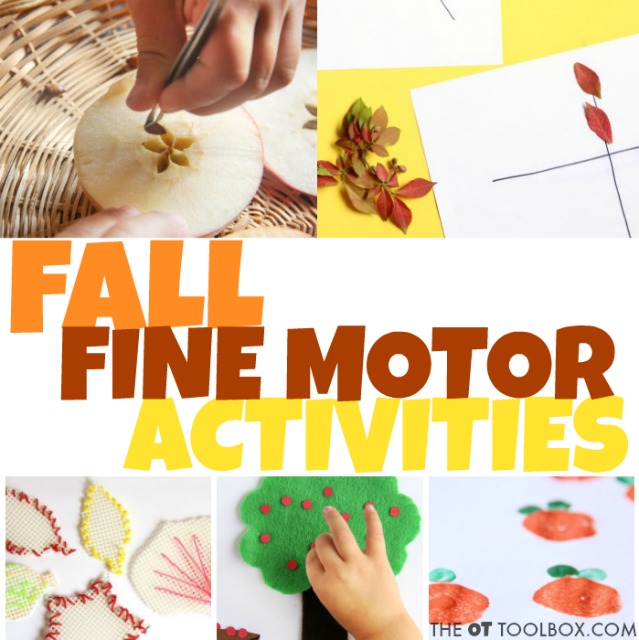
Beyond raw strength, manual dexterity relies on speed, precision, and the coordinated movement of individual fingers. Activities involving fall manipulatives—such as sorting craft pom poms, counting seeds, or manipulating paper clips onto laminated cards—help bridge the gap between gross hand movements and refined fingertip control. Using tongs or tweezers to transfer autumn-colored pom poms into ice cube trays or muffin tins further refines pinch precision and hand-eye coordination.
Scissors represent another vital developmental tool that benefits from seasonal integration. Autumn cutting practice pages, which feature structured lines and visual pathways, require the cutting hand and the stabilizing helper hand to perform distinctly different jobs simultaneously. One hand opens and closes the blades while the other rotates and stabilizes the paper. In regions with falling foliage, children can even practice snipping and cutting real leaves into small pieces, combining auditory processing and sensory exploration with bilateral coordination.
Visual-motor integration is frequently intertwined with fine motor tasks, as children must coordinate what they see with how their hands move. Fall-themed directed drawing, pattern block designs, and seek-and-find puzzles challenge youngsters to reproduce spatial relationships, scan complex visual fields, and sustain visual attention. When paired with a physical response—such as covering a found item with a small manipulative or clipping it with a clothespin—these visual tasks directly support the foundational mechanics required for academic success.
Handwriting development also receives a seasonal boost through structured writing prompts tailored to various developmental stages. Rather than practicing isolated letters, emerging and developing writers can engage in meaningful writing tasks ranging from single autumn vocabulary words to complete paragraphs, allowing educators to address line awareness, spacing, letter sizing, and writing endurance within a single classroom or therapy caseload.
For professionals and families seeking ready-to-use resources, comprehensive organizational libraries like The OT Toolbox Membership provide curated collections of printables and session plans spanning hand strength, scissor skills, visual-motor coordination, and executive functioning. By leveraging the natural appeal of the autumn season, adults can seamlessly integrate essential developmental exercises into everyday play and learning.