







In an era defined by the rapid spread of global health crises, the World Health Organization (WHO) has unveiled a critical new initiative aimed at fortifying the world’s health information systems. Recognizing that the COVID-19 pandemic has exposed profound vulnerabilities in how nations collect, analyze, and utilize health data, the WHO has introduced the "SCORE for Health Data Technical Package." This initiative serves as a comprehensive roadmap designed to assist governments in bridging the gap between raw data collection and strategic, life-saving public health action.
The launch of the SCORE package arrives at a pivotal moment. The pandemic has underscored a harsh reality: many countries across the globe currently lack the essential infrastructure to routinely gather accurate health statistics. Furthermore, even where data is available, many nations struggle with the analytical capacity required to transform that information into effective health interventions or rapid emergency responses. As the international community seeks to recover from the disruptions caused by COVID-19 and push toward the Sustainable Development Goals (SDGs), the lack of reliable data has become a significant barrier to progress.
"Countries must be able to measure progress to make progress," stated WHO Director-General Dr. Tedros Adhanom Ghebreyesus during the announcement. "Particularly during COVID-19, reliable data is the best way to coordinate response efforts and improve health in all areas."
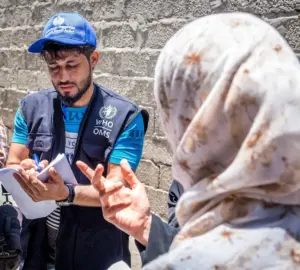
For the World Health Organization, the mission is clear: accurate health data is not merely an administrative requirement but a fundamental necessity for understanding the specific needs of a population. By providing a clearer picture of health trends, policymakers can better direct scarce resources to the areas and communities where they are needed most. The SCORE package—an acronym representing Survey, Count, Optimize, Review, and Enable—is designed to be a unified, harmonized toolkit that provides the "how-to" for building these systems from the ground up.
The SCORE Technical Package represents the first time that the essential elements for optimizing health information system performance have been consolidated into a single, cohesive framework. By offering governments a standardized way to set benchmarks and improve healthcare delivery, the WHO aims to ensure that no nation is left behind in the pursuit of modern, data-driven governance.
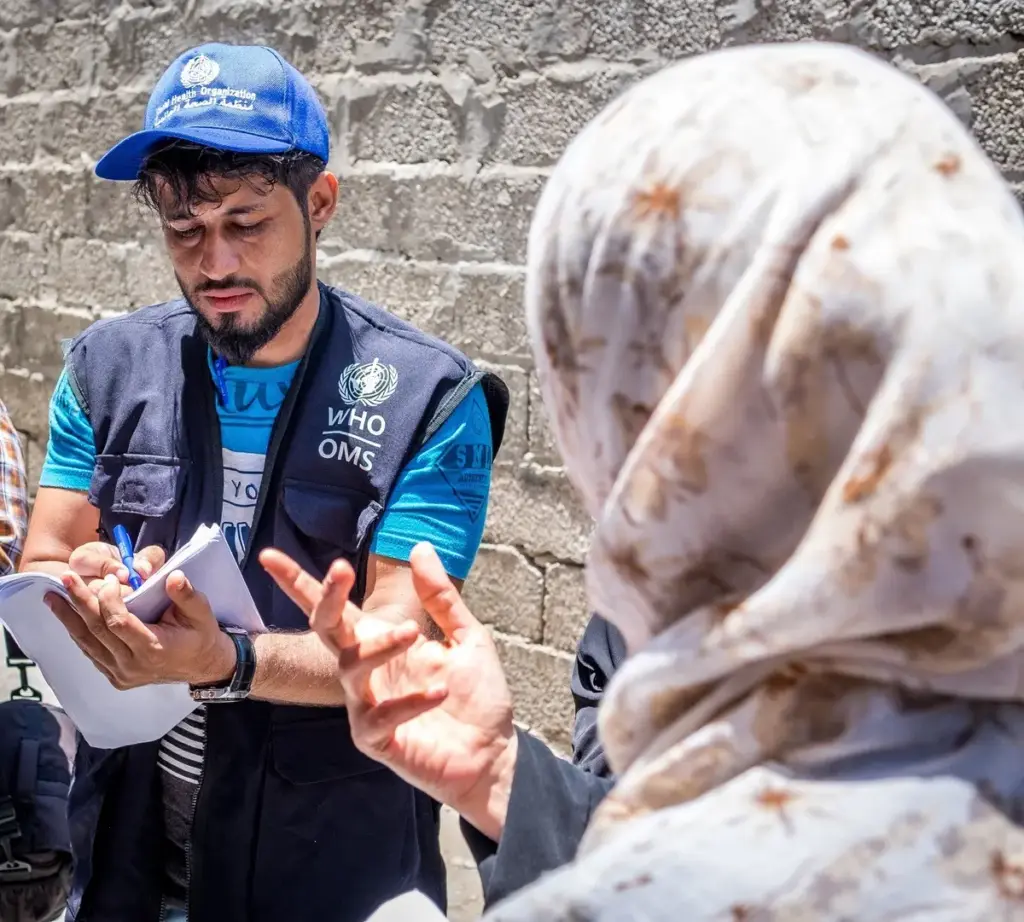
This initiative is a direct response to the critical gaps highlighted in the WHO’s World Health Statistics 2020 report. The report laid bare the systemic failures in data availability that hampered early pandemic responses, prompting the WHO to curate more than 90 universally accepted tools and standards to help countries strengthen their health information architecture.
Dr. Kelly Henning, Director of Public Health Programs at Bloomberg Philanthropies, which partnered with the WHO to support this initiative, emphasized the importance of this technical guidance. "Using data to inform public health priorities and strategies has never been more important," Dr. Henning noted. "The SCORE Technical Package provides country governments around the world with high-quality, essential technical guidance so that countries can strengthen their own data systems."
The partnership between the WHO and the Bloomberg Philanthropies Data for Health Initiative underscores a growing global consensus that modern public health must be built on a foundation of verifiable information. By providing these tools, the partners aim to empower individual countries to take ownership of their health narratives. The shift toward country-owned, disaggregated data is seen as the primary vehicle for building more resilient, sustainable health systems capable of withstanding future shocks.
Dr. Samira Asma, WHO Assistant Director-General for Data, Analytics, and Delivery for Impact, stressed the urgency of the situation. "We must keep score to save lives," Dr. Asma said. "WHO is committed to working with countries and partners to rapidly scale up capacity for data collection and use in order to improve policy and performance. We must act now to invest in statistical systems in countries, respond to this pandemic, and meet the SDGs and the Triple Billion targets. Our window of opportunity is closing, and we cannot wait to address data gaps. Data use to address country needs has to be a priority today."
The challenges revealed by the COVID-19 pandemic are, in many ways, a wake-up call for global health leadership. However, the WHO views this period as a unique opportunity to "build back better." Through a spirit of international solidarity, information-sharing, and collaboration, the organization believes that countries can transcend past limitations. The SCORE package is designed to be inherently practical, actionable, and flexible, allowing it to be adapted to the unique political and social contexts of different nations.
The initial release of the package includes foundational documents that establish the framework for these improvements. Yet, this is only the beginning of a broader effort. The WHO has indicated that future components of the SCORE Technical Package are scheduled for release later this year. These forthcoming additions will include the "SCORE Assessment Instrument," which will allow nations to gauge their current status against international benchmarks, as well as a series of global, regional, and country-specific status reports.
Together, these resources will form a comprehensive toolkit for planners and policymakers, enabling them to monitor progress against both national and subnational priorities, as well as global health targets. As the world continues to grapple with the long-term impacts of the pandemic, the emphasis on data is likely to remain at the forefront of the international health agenda.
The success of the SCORE initiative will ultimately depend on the willingness of governments to invest in their statistical systems and prioritize data-driven decision-making. By moving away from fragmented, ad-hoc data collection toward a centralized and standardized approach, the WHO hopes to create a global environment where health information flows freely, allowing for faster, more effective interventions that save lives.
In the final analysis, the SCORE for Health Data Technical Package is more than just a set of guidelines; it is a manifestation of the belief that science and data are the most effective weapons in the fight against disease. As the WHO continues to roll out the remaining components of the package, the focus will remain on fostering collaboration and ensuring that every country has the tools required to protect the health of its citizens in an increasingly complex and interconnected world. The message from Geneva is unequivocal: in the race to save lives and improve health outcomes, the ability to accurately track progress is the single most important factor for success.