







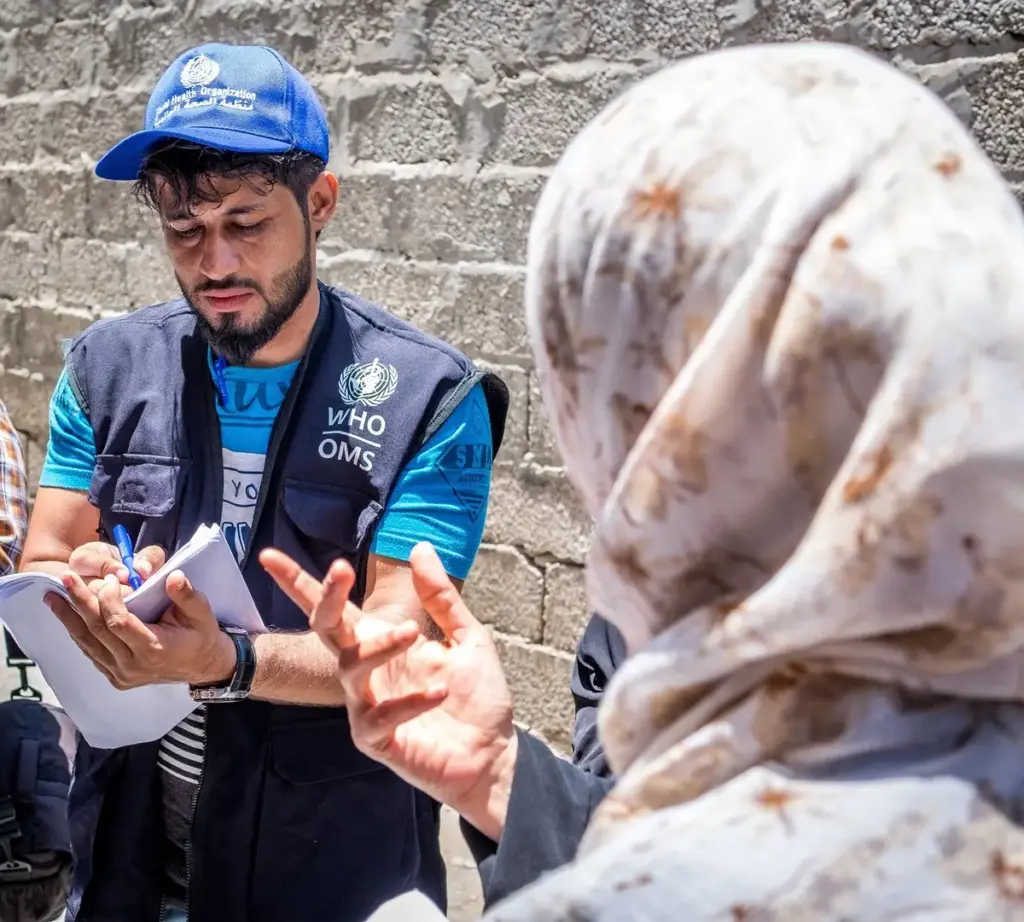
The World Health Organization (WHO) has officially unveiled a comprehensive new initiative designed to fortify global health information systems, marking a significant pivot toward data-driven governance in the wake of the COVID-19 pandemic. The newly announced "SCORE for Health Data Technical Package" represents a coordinated, global effort to address the persistent and often critical gaps in how nations gather, analyze, and utilize health data. As the world continues to navigate the complexities of an ongoing health crisis, the WHO is positioning this initiative as a vital tool to ensure that governments can make strategic, evidence-based decisions that save lives and optimize the allocation of increasingly scarce medical resources.
For many nations, the pandemic served as a harsh wake-up call, exposing profound weaknesses in their ability to monitor disease outbreaks and manage public health responses. While health data is the bedrock of modern medicine, many countries still lack the fundamental infrastructure required to routinely collect vital statistics, and even more lack the advanced analytical capacity to transform those numbers into effective emergency responses. By launching the SCORE package, the WHO aims to bridge this divide, providing a unified framework that countries can use to improve the quality, accessibility, and utility of their health information.
"Countries must be able to measure progress to make progress," said WHO Director-General Dr. Tedros Adhanom Ghebreyesus, emphasizing that the absence of data is not merely a bureaucratic hurdle, but a direct threat to public health. "Particularly during COVID-19, reliable data is the best way to coordinate response efforts and improve health in all areas."

A Holistic Framework for Data Governance
The acronym SCORE stands for Survey, Count, Optimize, Review, and Enable. It is designed to be the first harmonized, all-encompassing package that addresses every key element of an optimized health information system. Rather than offering disparate tools that may or may not function well together, the SCORE package brings together more than 90 universally accepted tools and standards. This integration is intended to simplify the process for governments, allowing them to set clear benchmarks, adopt standardized metrics, and elevate their healthcare standards to meet international expectations.
The development of this package comes directly in response to the alarming trends highlighted in the WHO’s World Health Statistics 2020 report, which underscored the severe limitations in data availability across various regions. By standardizing the approach to data, the WHO hopes to ensure that health information is not only timely and reliable but also validated and comparable across borders. This comparability is essential for international cooperation, as it allows for a more nuanced understanding of regional health trends and a faster, more effective response to global health threats.
The initiative is bolstered by a partnership with the Bloomberg Philanthropies Data for Health Initiative, which provided the essential funding and technical support necessary to bring the project to fruition. Dr. Kelly Henning, Director of Public Health Programs at Bloomberg Philanthropies, lauded the initiative as a major step forward for global public health infrastructure. "Using data to inform public health priorities and strategies has never been more important," Dr. Henning noted. "The SCORE Technical Package provides country governments around the world with high-quality, essential technical guidance so that countries can strengthen their own data systems."
Prioritizing Data for Global Health Targets
The urgency of the moment is not lost on the leadership at the WHO. Dr. Samira Asma, the Assistant Director-General for Data, Analytics and Delivery for Impact, has been a vocal proponent of the necessity for immediate action. According to Dr. Asma, the window of opportunity to rectify these systemic data gaps is closing, and failing to act now would jeopardize progress toward the Sustainable Development Goals (SDGs) and the WHO’s ambitious "Triple Billion" targets—which aim to ensure one billion more people benefit from universal health coverage, one billion more are better protected from health emergencies, and one billion more enjoy better health and well-being.
"We must keep score to save lives," Dr. Asma stated. "WHO is committed to working with countries and partners to rapidly scale up capacity for data collection and use in order to improve policy and performance. We must act now to invest in statistical systems in countries, respond to this pandemic, and meet the SDGs. Data use to address country needs has to be a priority today."
The core philosophy behind the SCORE package is that health systems must be "country-owned." By providing tools that foster disaggregated data—information broken down by demographics, geography, and socioeconomic status—the WHO aims to help governments identify and support their most vulnerable populations. Such precision is a cornerstone of resilient and sustainable health systems, as it prevents the "one-size-fits-all" approaches that often leave marginalized communities behind.
Building Resilience Through Collaboration
The COVID-19 pandemic has acted as a catalyst for a global re-evaluation of public health priorities. While the crisis has exposed systemic fragility, the WHO views it as a unique opportunity to "build back better" through increased solidarity, information-sharing, and international collaboration. The SCORE initiative is framed as a practical, actionable, and flexible response to this challenge. It is not intended to be a rigid mandate, but rather a set of common tools and shared standards that can be adapted to the specific socio-political and economic context of each country.
The rollout of the SCORE package is not a one-time event, but the beginning of a phased implementation strategy. The initial release includes two foundational documents that outline the core methodology and the technical standards required to begin the integration process. However, the WHO has confirmed that additional components will be released later this year, including the SCORE Assessment Instrument and a series of global, regional, and national status reports.
These future resources are designed to provide a comprehensive roadmap for countries to monitor their own progress against both national and subnational priorities, as well as global health targets. By providing this transparency, the WHO expects to create a cycle of continuous improvement, where the act of "keeping score" allows for the iterative refinement of healthcare policies.
Ultimately, the initiative reflects a fundamental shift in how the global health community perceives data. It is no longer viewed merely as an administrative byproduct of healthcare, but as a strategic asset—a diagnostic tool that is just as important to the health of a population as vaccines, hospital beds, or medical personnel. By equipping governments with the capacity to measure their own health landscapes with precision, the WHO hopes to move beyond reactive emergency management and toward a proactive, data-informed model of global health. As the international community continues to work together to combat the remnants of the pandemic and prepare for future health security, the SCORE package stands as a testament to the idea that, in the world of public health, you cannot manage what you cannot measure.