









WASHINGTON, DC — ZERO TO THREE, the nation’s leading early childhood development nonprofit dedicated to ensuring that all infants and toddlers have a strong and healthy start in life, has expressed strong encouragement regarding President Biden’s proposed fiscal year 2025 budget. The organization highlighted that the administration’s spending plan incorporates essential and much-needed funding for programs designed to build a solid foundation for young children and families across the United States.
According to leadership at ZERO TO THREE, the federal blueprint takes crucial steps toward prioritizing the unique needs of infants, toddlers, and their caregivers in several vital policy areas. The organization has long advocated for federal investments that address the holistic well-being of the youngest members of society, emphasizing that early childhood development is a cornerstone of long-term national health, economic stability, and social equity.
A Budget That Prioritizes Families and the Youngest Americans
"If implemented, President Biden’s budget released today will make our nation a better and fairer place to have and raise a baby," said Miriam Calderón, Chief Policy Officer at ZERO TO THREE.

Calderón noted that the organization has consistently urged Congress and the Administration to place the needs of infants and toddlers at the forefront of national policy discussions. Specifically, ZERO TO THREE has focused advocacy efforts around five key pillars essential to early childhood success: maternal health, infant and early childhood mental health, child care, housing, and economic security.
The administration’s newly released proposals build directly upon themes articulated during the President’s recent State of the Union address, where the administration laid out a vision for a future in which families are empowered and given meaningful choices regarding their children’s upbringing and development. By translating those broader national goals into concrete fiscal proposals, the fiscal year 2025 budget addresses the multifaceted nature of early childhood development, recognizing that a child’s environment, health, and family stability are deeply interconnected.
Addressing Critical Areas of Early Childhood Development
The proposed federal investments are designed to reinforce the support systems that babies and their families rely on during the most rapid period of human brain development. Experts at ZERO TO THREE emphasize that the earliest months and years of life lay the neural architecture for all future learning, behavior, and health. Consequently, targeted investments in federal programs are viewed not merely as social spending, but as critical infrastructure investments in the nation’s future workforce and civic life.

Maternal health remains a foundational component of these federal priorities. Ensuring that mothers receive comprehensive prenatal and postnatal care directly impacts infant survival rates, birth weights, and long-term developmental trajectories. Similarly, expanding access to infant and early childhood mental health services provides families with the tools needed to navigate behavioral and emotional milestones, preventing trauma and fostering secure caregiver-child attachments during the most formative stages of life.
Access to affordable, high-quality child care is another central pillar of the administration’s proposed framework. For working parents, securing reliable care for infants and toddlers has become an immense economic hurdle, often forcing families to make difficult compromises between workforce participation and child-rearing. The budget initiatives aim to alleviate these pressures by increasing child care availability and affordability, thereby supporting family economic security while ensuring that young children are cared for in safe, stimulating environments.
Furthermore, economic security measures—such as housing stability and income supports—directly mitigate the toxic stress associated with poverty. Research consistently shows that stable housing and adequate family resources drastically improve developmental outcomes for infants and toddlers, shielding them from the long-term cognitive and physical setbacks often caused by early childhood adversity.

Looking Ahead to Congressional Negotiations
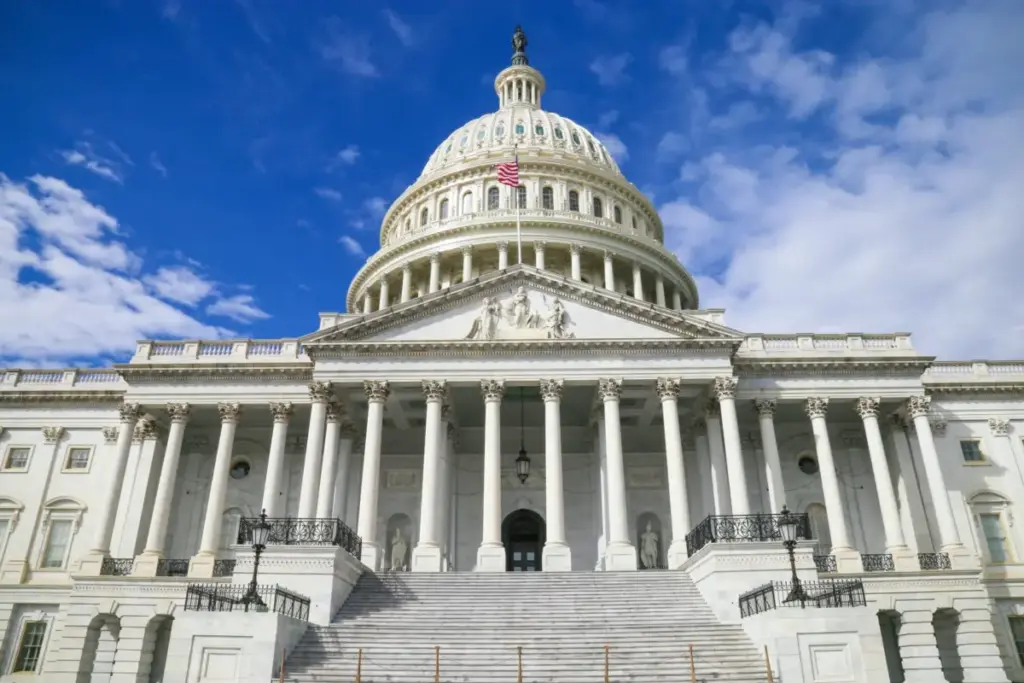
With the budget now officially transmitted to Capitol Hill, attention turns immediately to the legislative branch, where federal lawmakers will debate, modify, and ultimately vote on spending bills for the upcoming fiscal year. ZERO TO THREE is urging members of Congress from both parties to recognize the profound and lasting impact of these early childhood investments.
"Now, Congress must work with the Administration to deliver for families and babies," Calderón continued, underscoring the urgency of bipartisan cooperation in advancing the proposed funding measures. "We look forward to working with Congressional appropriators and our baby champions on the Hill to make these bold proposals a reality."
As the legislative process unfolds, child advocates, early childhood educators, and family support organizations across the country are expected to mobilize in support of the provisions within the fiscal year 2025 budget that safeguard the well-being of infants and toddlers. For ZERO TO THREE and its allies, the overarching objective remains clear: ensuring that federal policy reflects the reality that the nation’s youngest children cannot wait, and that investing in their earliest years is an indispensable investment in the nation’s collective prosperity.