







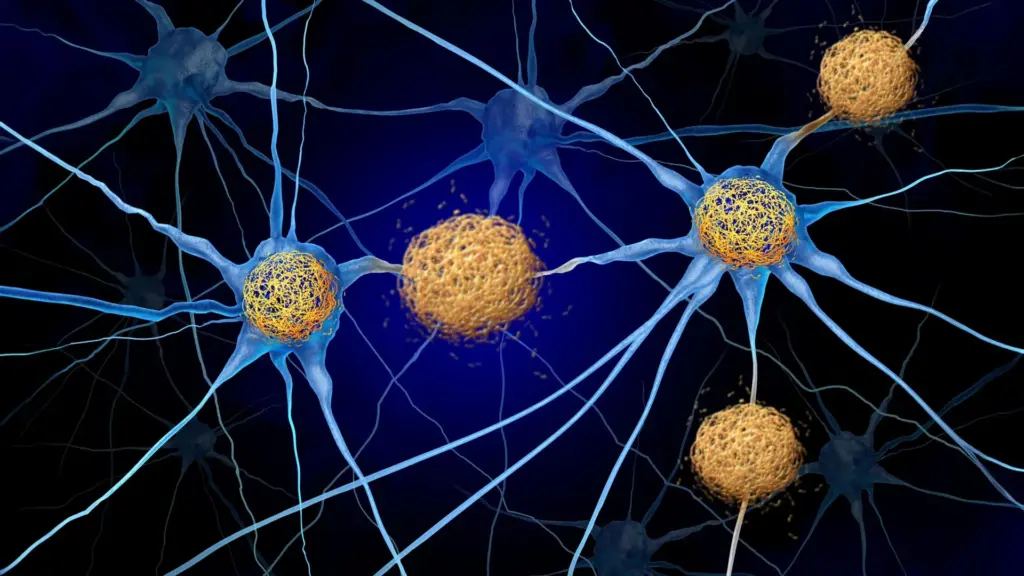
Protecting brain cells from destruction remains one of the most formidable hurdles in modern medicine, particularly regarding Alzheimer’s disease and a spectrum of related neurodegenerative disorders known collectively as tauopathies. These conditions are characterized by the abnormal accumulation of "tau" protein tangles within the brain—a hallmark that has long been the primary target for diagnostic and therapeutic efforts. As these tangles proliferate, nearby neurons begin to wither and die, leading to the devastating cognitive decline that defines Alzheimer’s.
However, a significant shift in scientific understanding is underway. Growing evidence suggests that the tau protein itself may not be the primary executioner responsible for the bulk of neuronal damage. Instead, the brain’s own immune system—specifically its reaction to the presence of these proteins—appears to be a major, if not the primary, driver of brain cell loss, memory degradation, and the eventual loss of patient independence.
Scientists at Washington University School of Medicine in St. Louis have now identified a promising therapeutic strategy to interrupt this destructive immune response. In a study published September 28 in the journal Neuron, researchers demonstrated that by blocking a specific protein known as CXCR3, they could effectively prevent the infiltration of harmful T cells into the brain. In mouse models designed to mimic the tau accumulation seen in human Alzheimer’s patients, this intervention resulted in significantly better memory retention and preserved brain tissue, even while the underlying tau deposits remained untouched.
Why Immune Cells May Be the Key to Alzheimer’s Damage
For decades, the standard approach to treating Alzheimer’s has focused on amyloid-beta, another protein associated with the disease. This "amyloid hypothesis" has led to the development of FDA-approved medications such as lecanemab and donanemab. These drugs target amyloid plaques that develop between neurons during the early stages of the disease, hindering communication between brain cells and contributing to the downstream formation of tau tangles. While these treatments are a breakthrough in slowing cognitive decline, they are limited; they do not prevent the actual death of brain cells, and they offer no relief for primary tauopathies, where tau accumulates in the absence of amyloid.
The team at Washington University, led by Dr. David M. Holtzman, the Barbara Burton and Reuben M. Morriss III Distinguished Professor in the Department of Neurology, has been investigating whether the immune system might hold the key to a more comprehensive treatment. In a foundational study published in Nature in 2023, Holtzman’s laboratory revealed that T cells—a type of white blood cell essential for immune defense—infiltrate the brains of mice suffering from tau accumulation. These cells tend to congregate in regions of the brain where tau deposits are most dense, effectively turning a protective immune response into a localized inflammatory assault that accelerates neurodegeneration.
A subsequent study published earlier this month in Nature Neuroscience provided a critical piece of the puzzle: the signals that recruit these T cells originate in lymph nodes located outside the central nervous system. This revelation fundamentally changed the researchers’ perspective on how to approach the disease, suggesting that the most effective interventions might not need to cross the blood-brain barrier at all.
Identifying the Pathway of Immune Infiltration
Despite the confirmation that T cells were responsible for exacerbating brain cell death, the mechanism by which these cells identified and accessed the brain remained a mystery. T cells navigate the body by following chemical gradients known as chemokines. Previous research in Holtzman’s lab had identified unusually high levels of a chemokine called CXCL10 in mice with tau accumulation—a finding that mirrors reports of elevated CXCL10 levels in the cerebrospinal fluid of human Alzheimer’s patients.
Activated T cells carry a surface receptor called CXCR3, which functions like a molecular compass, allowing the cells to "lock on" to CXCL10 signals. This interaction suggested a clear target: the CXCL10-CXCR3 pathway. To test this, the research team—including co-senior author Dr. Jason Ulrich, a professor of neurology at WashU, and first author Dr. Joshua T. Emmerson, a postdoctoral researcher—utilized mice engineered to develop tau deposits.
The experiments produced conclusive results. When the researchers either removed the CXCL10 signal or deleted the CXCR3 receptor from the T cells, the cells could no longer infiltrate the brain. Even when the scientists induced artificial inflammation to trigger a robust immune response, the T cells failed to reach the brain tissue, confirming that the CXCL10-CXCR3 pathway is the critical "highway" used by these immune cells to enter the brain.
Experimental Treatment Preserves Brain Tissue and Memory
Having confirmed the pathway, the team tested whether blocking CXCR3 using a therapeutic antibody could mitigate neurodegeneration. They selected young mice that already exhibited early signs of tau accumulation but had not yet suffered significant neuronal loss. The mice were treated with the antibody once every five days over a period of three and a half months.
The outcome was striking. At the conclusion of the study, the treated mice had roughly 50% fewer T cells in their brains compared to the untreated control group. More importantly, the structural and functional benefits were evident: the treated mice retained approximately 40% more brain tissue in the regions vital for memory and performed significantly better on standardized memory tests.
Perhaps the most provocative finding was that these improvements occurred despite the fact that the total amount of tau in the brain remained unchanged. This suggests that the immune system’s reaction to the tau, rather than the tau itself, is the primary driver of the clinical symptoms associated with the disease.
For clinicians and drug developers, this discovery has profound implications. Because the antibody used in the study reaches the boundary of the brain but does not necessarily need to permeate the brain tissue itself to be effective, it bypasses the "blood-brain barrier" problem that has historically doomed many promising neurological drugs. "For this therapeutic approach, if it is safe, you wouldn’t have to design the drug to get into the brain—which is a big deal since most molecules don’t cross the blood-brain barrier well—and you don’t have to get rid of the tau to get this therapeutic effect," Dr. Holtzman noted.
A New Horizon for Alzheimer’s Treatment
While the findings are highly encouraging, the researchers urge caution, noting that the study was conducted in mouse models. Extensive further research will be required to ensure that such an approach is safe and effective in human clinical trials. However, the existing pharmaceutical landscape offers a potential shortcut: many drugs designed to modulate T-cell activity are already approved for treating autoimmune conditions such as multiple sclerosis. These existing medications could be repurposed or serve as a blueprint for new, targeted Alzheimer’s therapies.
This represents a paradigm shift in how we conceive of neurodegenerative disease. For years, the field has been almost entirely focused on protein clearance—the "clean-up" of amyloid and tau. Dr. Holtzman’s work suggests that by focusing on the inflammatory response, we may be able to shield neurons from destruction, preserving the cognitive function and memory of patients even while the underlying disease-causing proteins persist.
"In tauopathies, including Alzheimer’s disease, there’s no treatment right now that actually decreases neurodegeneration," Dr. Holtzman said. "If we can show that we’re really decreasing brain cell death, it’s certainly worth trying to pursue that pathway to prevent the most devastating consequences of these diseases."
As the director of both the Hope Center for Neurological Disorders and the Knight Alzheimer Disease Research Center at WashU Medicine, Dr. Holtzman emphasizes the novelty of this approach. "Tauopathies aren’t thought of as autoimmune disorders, so they haven’t been treated the same way, but this study shows for the first time in an animal model that these diseases respond to a specific T-cell therapy."
The study, supported by a variety of organizations including the National Institutes of Health and the BrightFocus Foundation, opens a new chapter in the fight against neurodegeneration. By shifting the focus from the buildup of proteins to the immune system’s aggressive reaction to them, scientists hope to develop a new class of treatments that stop the progression of Alzheimer’s at the cellular level, offering new hope to the millions of individuals currently living with the disease.