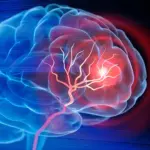
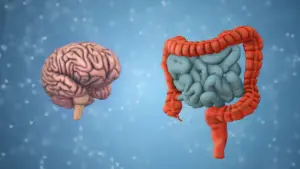
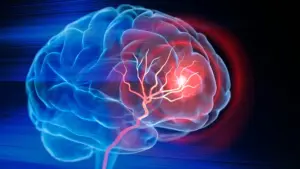








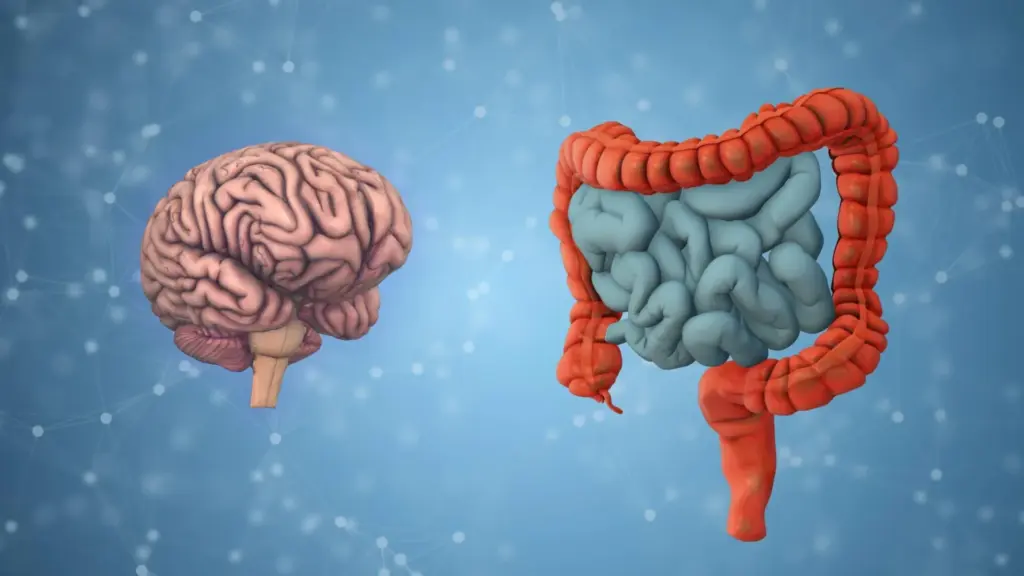
A groundbreaking study conducted by researchers at UCLA Health suggests that the biological clock governing brain health may be inextricably linked to the microscopic ecosystem residing within our digestive tracts. By examining the relationship between gut bacteria and the chemical compounds they produce, scientists have uncovered evidence that suggests the process of brain aging may begin far earlier than previously believed—long before clinical symptoms of cognitive decline or memory impairment ever manifest in a patient’s daily life.
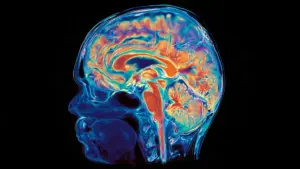
For decades, neurologists and researchers have relied on sophisticated neuroimaging techniques, such as magnetic resonance imaging (MRI), to estimate a patient’s "brain age." This metric serves as a biological marker, often revealing a discrepancy between an individual’s chronological age and the functional age of their brain. While a person might be 40 years old in calendar years, their brain scan might exhibit structural or functional patterns typically associated with a 50-year-old. Previous clinical research has consistently demonstrated that when the brain appears physiologically older than a person’s actual age, that discrepancy is frequently correlated with diminished memory capacity, reduced executive function, and an increased prevalence of mood disorders.
However, the medical community has historically focused these investigations on populations already in the later stages of life or those suffering from established neurodegenerative conditions like Alzheimer’s or Parkinson’s disease. This focus created a significant knowledge gap: scientists remained uncertain whether these "older-looking" brain patterns held clinical significance in younger, otherwise healthy adults. The new study, published in the journal eBioMedicine, seeks to bridge that gap, offering a more nuanced understanding of how brain health evolves across the lifespan.

Measuring the Biological Age of the Brain
To investigate this phenomenon, the UCLA Health research team analyzed brain scans from a cohort of nearly 1,500 participants, which were stratified into three distinct groups. The methodology employed a sophisticated scanning approach designed to observe how different regions of the brain interact and communicate while the subject is in a resting state. By mapping these intrinsic connectivity networks, the researchers were able to observe the efficiency and integrity of neural pathways.
Using these data points, the team developed a computer model capable of estimating an individual’s age based solely on their brain’s communication patterns. Once the model generated an estimated "brain age," the researchers compared this figure to the participant’s actual chronological age. The delta between these two numbers was designated as the "Brain Aging Index" (BAI). This index provides a standardized way to quantify how far ahead or behind a person is in the biological aging process of their brain relative to their peers.
Older-Looking Brains Linked to Cognitive and Emotional Decline
The results of the study revealed a consistent trend across all three participant groups. Those whose Brain Aging Index indicated that their brains were aging faster than their chronological age demonstrated statistically significant performance deficits on standard cognitive tests. Specifically, these individuals performed worse on assessments of working memory—the ability to hold and manipulate information over short periods—and executive function, which encompasses high-level cognitive processes like focus, planning, task organization, and impulse control.
Beyond cognitive performance, the researchers identified a correlation between a higher Brain Aging Index and the self-reporting of depressive symptoms. The neural patterns observed in these individuals repeatedly highlighted regions of the brain known to be critical for memory processing and self-referential thought. This latter cognitive function is essential for how individuals perceive themselves, process personal experiences, and maintain a consistent sense of identity. The fact that these functional differences were observable in individuals who had not yet reached old age suggests that the biological precursors to cognitive decline are present much earlier than traditional diagnostics would typically detect.
The Role of the Gut Microbiome
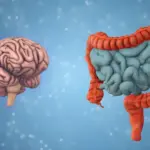
One of the most innovative aspects of the study was the inclusion of stool sample analysis for one of the participant groups. This allowed researchers to investigate whether the observed variations in brain aging could be tied to the composition of the gut microbiome. The human gut is home to trillions of microorganisms, and the communication pathway between the gut and the brain—often referred to as the "gut-brain axis"—has become a focal point of intense scientific inquiry in recent years.
The findings were striking: a higher Brain Aging Index was consistently associated with the presence of specific gut bacteria and the unique metabolic byproducts they secrete. Among the compounds identified were specific fat molecules, a cholesterol-related compound, and notably lower levels of estetrol, a hormone that has been studied for its potential protective effects.
These biological signals do not exist in a vacuum. The researchers found that the pathways linked to these specific gut-derived signals are deeply involved in critical physiological processes, including the modulation of the immune system, the maintenance of blood vessel health, the efficiency of inter-neuronal communication, and the complex metabolic processes cells use to produce energy. This suggests that the gut microbiome acts as a chemical factory, influencing systemic health and, by extension, the structural and functional integrity of the brain.
Decades-Early Indicators of Brain Health
The implications of these findings are profound, particularly regarding the window of opportunity for medical intervention. "Brain aging doesn’t suddenly begin when we get older, but the biological signals may be detectable decades earlier," explained Dr. Arpana Church, the study’s senior author and co-director of the Goodman-Luskin Microbiome Center at UCLA Health.
Dr. Church emphasized that by successfully linking these early neurological changes to the gut microbiome and its metabolites, the scientific community is beginning to map out the underlying pathways that contribute to premature brain aging. This research serves as a critical first step in identifying who may be at risk for future cognitive or mood-related decline long before those problems become irreversible.
The potential to identify these risks in early or middle adulthood changes the clinical paradigm from one of reactive treatment to proactive prevention. If the gut-brain axis is indeed a primary driver of these aging processes, then the gut itself could become a target for therapeutic intervention. While further research is required to determine the exact nature of these interventions—whether they involve dietary modifications, probiotic supplementation, or other targeted therapies—the study opens a new frontier in the quest for healthy cognitive aging.
As the researchers look toward future studies, the goal is to further refine the Brain Aging Index and deepen the understanding of how specific gut bacteria influence neural function. By shifting the focus toward the gut, medicine may eventually possess the tools to support brain health decades before the first signs of cognitive impairment occur, fundamentally changing how we approach the aging process and the maintenance of mental acuity throughout the human lifespan.