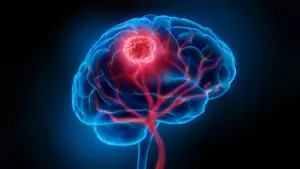








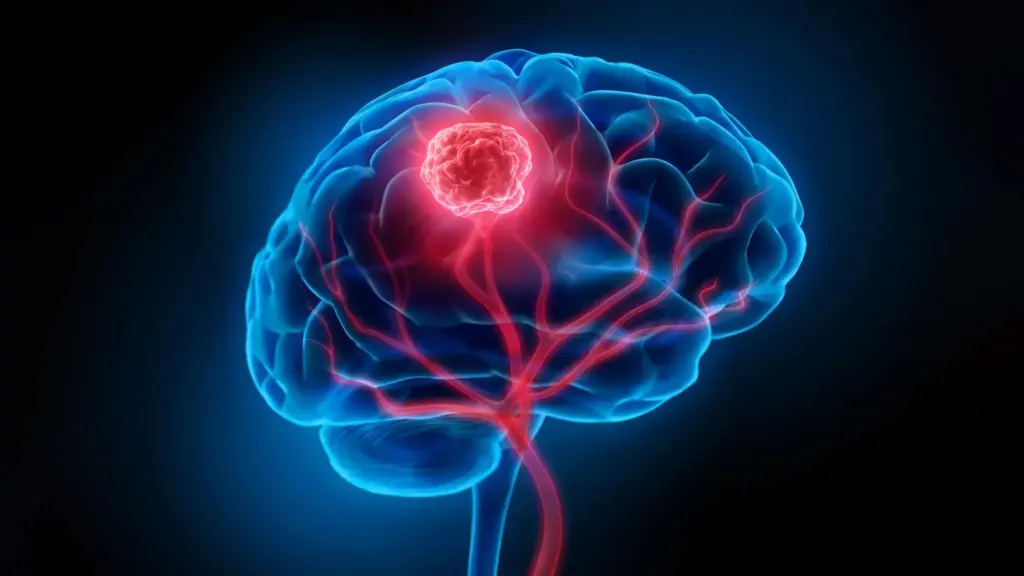
In a significant leap forward for pediatric oncology, researchers at the University of California, San Francisco (UCSF) have unveiled a sophisticated new form of immune cell therapy designed to bypass the traditional pitfalls of cancer treatment. This experimental therapy, known as B-SYNC CAR-T, is engineered to remain dormant while circulating through the body and to activate its potent, tumor-fighting machinery only upon detecting the specific environment of the brain. By localizing the attack, scientists hope to eradicate aggressive brain tumors while sparing healthy tissues from the systemic toxicity that has historically plagued CAR-T research.
The primary focus of this new therapy is diffuse midline glioma (DMG), a devastating and highly aggressive form of childhood brain cancer. DMG is notoriously difficult to manage because it typically originates in the brainstem—the critical neurological control center responsible for fundamental life-sustaining functions such as breathing, heart rate, and swallowing. Because of its location and its tendency to infiltrate surrounding healthy tissue, surgical intervention is rarely an option. Currently, the prognosis for children diagnosed with DMG is somber, with nearly all patients succumbing to the disease within a year of diagnosis. Existing treatment modalities, including conventional chemotherapy and standard immunotherapies, have largely failed to halt the inexorable progression of these tumors.
The breakthrough, published in the October 28 issue of Science Translational Medicine, details how B-SYNC CAR-T cells navigate this challenge. Conventional CAR-T cell therapy works by extracting a patient’s T cells—the "soldiers" of the immune system—and genetically modifying them to express chimeric antigen receptors (CARs). These receptors are programmed to latch onto specific proteins on the surface of cancer cells, triggering a targeted immune response. While this approach has been transformative for certain blood-borne cancers, it has struggled to gain traction against solid tumors in the brain, often due to a lack of precise "on-switches" or because the cells become exhausted before they can finish the job.

Dr. Hideho Okada, a professor of Neurological Surgery at UCSF and co-corresponding author of the study, emphasized that the primary hurdle in treating DMG has been achieving therapeutic efficacy without triggering debilitating side effects. "It’s been a struggle to make CAR-T cells that overcome DMG without causing unacceptable side effects," Dr. Okada explained. "By limiting B-SYNC’s CAR expression to when and where it matters—in the brain—we saw consistent, total shutdown of DMG tumors in the lab."
Engineering Smarter CAR-T Cells
The development of B-SYNC is the result of years of collaborative research between Dr. Okada and Dr. Wendell Lim, a professor of Cellular and Molecular Pharmacology at UCSF. Their shared vision has been to move beyond the limitations of "always-on" immune cells, which can inadvertently damage healthy organs when they circulate throughout the body.
The team’s previous work provided a vital foundation for this project. In 2021, they reported successful laboratory results with a therapy called E-SYNC, designed for glioblastoma, another highly aggressive brain malignancy. E-SYNC utilized a molecular sensing system known as "synNotch" to identify a specific mutation, EGFRvIII, found on some glioblastoma cells. When the synNotch sensor detected this protein, it would command the T cell to produce a CAR receptor targeting two other tumor-associated proteins: EphA2 and IL13Rα2. This "two-step" verification process represented a massive improvement over traditional CAR-T methods, which relied on a single activation signal.
However, the E-SYNC approach encountered a practical limitation: the EGFRvIII protein is only present in about 20% of patients. Furthermore, tumors are notoriously adept at evolving; even if a patient’s tumor expressed the protein initially, the cancer could lose it during treatment, effectively rendering the therapy blind to the remaining malignant cells. To create a more robust and universal therapy, the UCSF team needed a signal that was not just prevalent, but reliable.
A Molecular Switch That Activates Inside the Brain
The breakthrough came when researchers identified brevican, a protein that is naturally and consistently distributed throughout the brain. By redesigning the synNotch system to trigger only when it encounters brevican, the team created a "geographic" switch. Once these B-SYNC cells enter the brain and detect the presence of the brain-specific protein, they activate their CAR machinery to hunt for EphA2 and IL13Rα2.
Because EphA2 and IL13Rα2 are commonly expressed on the surface of both glioblastoma and DMG cells, the therapy holds the potential to treat a much broader patient population. The immune cells are essentially "blind" to the cancer while in the bloodstream, avoiding systemic inflammation, and only "wake up" to perform their duty once they have successfully migrated into the brain tissue. Senthilnath Lakshmanachetty, a postdoctoral researcher in Dr. Okada’s laboratory, led the experimental phase to determine if this mechanism could successfully combat the unique challenges of DMG.
New CAR-T Therapy Eliminates Brain Tumors in Mice
In experiments involving mice implanted with human DMG cells, the results were highly encouraging. When B-SYNC CAR-T cells were administered intravenously, they migrated to the brain, produced the necessary CAR receptors, and initiated an immune attack. Crucially, the researchers observed that these cells did not produce CARs while circulating in the bloodstream or residing in the spleen, confirming that the activation was strictly localized to the intended site.
The team then tested a more direct route of administration: an intracerebroventricular (ICV) injection, which delivers the cells directly into the fluid-filled ventricles of the brain. In two separate mouse models, this method resulted in the total eradication of the tumors. Conventional CAR-T therapies tested alongside the new method were unable to achieve the same level of tumor control, underscoring the advantage of the brain-specific activation.
Immune Cells Keep Fighting Long After Tumors Disappear
Perhaps the most compelling finding was the durability of the treatment. Beyond the initial tumor elimination, the researchers sought to understand if the therapy offered long-term protection. Seven weeks after the initial treatment, the researchers reintroduced fresh DMG cancer cells into the mice. The engineered T cells, still patrolling the brain, successfully recognized and rejected the new tumors.
Observations revealed that these B-SYNC cells remained fully functional more than 70 days after the initial dose. This longevity is likely linked to the prevention of T cell exhaustion. In many cancer therapies, T cells become "exhausted" after constant activation, losing their potency and ability to divide. Because B-SYNC cells remain inactive until they reach their destination, they are better preserved and ready to engage the tumor when needed. "We didn’t expect B-SYNC CAR-T cells to necessarily persist," said Dr. Lakshmanachetty. "But they are still patrolling for cancer over 70 days out—and they’re still very functional."
Human Trials Could Begin in April 2027
The success of these preclinical studies has fast-tracked the transition toward human clinical trials at UCSF Health, with researchers currently aiming for an initiation date as early as April 2027. The clinical trial will involve extracting a patient’s own T cells, modifying them into B-SYNC CAR-T cells, and re-infusing them into the patient.
The trial will be led by Dr. Marie Jaeger-Krause and Dr. Sabine Mueller. Given the delicate nature of brain surgery, the team plans to implement a system involving an implanted shunt that connects the brain’s ventricles to a small reservoir under the scalp. This will allow clinicians to administer repeated doses of the therapy without subjecting the patient to recurring, invasive neurosurgical procedures.
For Dr. Sabine Mueller, director of the UCSF Pediatric Brain Tumor Center and a key figure in the Pediatric Neuro-Oncology Consortium, the progress represents a flicker of hope for families facing a diagnosis that has long been considered terminal. "Diffuse midline glioma is a heartbreaking diagnosis for patients and their families," Dr. Mueller stated. "This preclinical data is very promising. Mice with DMG are being cured, and we are incredibly excited to bring this therapy to the children and young adults we care for. This is exactly the kind of innovative approach they deserve."