




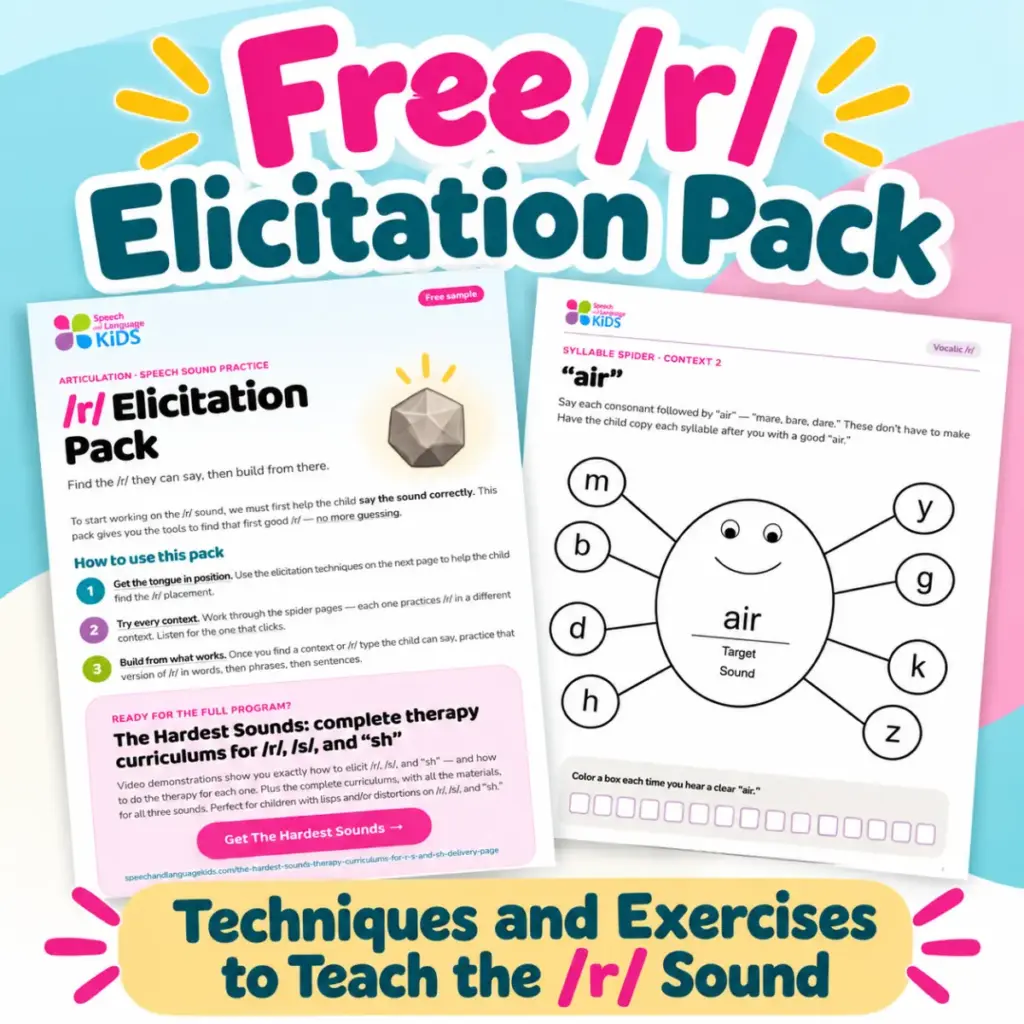
For speech-language pathologists, educators, and parents alike, the /r/ sound represents one of the most formidable challenges in the field of phonology. Often considered the "final boss" of articulation therapy, the /r/ sound is notoriously elusive, presenting a unique set of obstacles that can frustrate even the most motivated students. Unlike sounds that are produced with visible contact points, such as /p/ or /b/, the /r/ sound involves complex, nuanced movements of the tongue and oral cavity that remain largely hidden from the naked eye. This inherent invisibility, combined with the extreme precision required for its execution, makes it a frequent point of focus in clinical settings and a major milestone in a child’s speech development.
The difficulty in teaching the /r/ sound is rooted in its acoustic and physical properties. In linguistics, /r/ is categorized as a liquid consonant, and its production can vary significantly depending on the surrounding vowels and the dialect of the speaker. For a child or adolescent struggling to produce the sound correctly, the process is not merely about learning a specific muscle movement; it is about developing an internal map of the oral cavity that they cannot see. When a therapist asks a student to "lift their tongue," they are essentially asking for a feat of proprioception—an internal awareness of where the tongue is in space. Without a clear visual model, many children default to substitute sounds, leading to persistent articulation errors that can impact their communication confidence as they grow.
Professional speech therapy approaches this challenge through a rigorous process of elicitation. The primary goal in the early stages of therapy is not to achieve mastery in conversation or reading, but to establish a foundational, high-quality /r/ sound in isolation. This phase of therapy is critical because if the foundation is unstable, the sound will inevitably break down when the student tries to integrate it into more complex phonetic environments, such as multisyllabic words or rapid conversational speech. By focusing on the isolation of the sound, therapists aim to build the motor memory necessary for consistent production, ensuring that the student can "find" the sound on command before moving toward the more arduous tasks of word, phrase, and sentence-level practice.
The current landscape of speech therapy has seen an evolution in how clinicians approach this foundational work. Rather than relying on rigid, one-size-fits-all methodologies, contemporary experts are increasingly emphasizing a range of dynamic elicitation strategies. These methods focus on positioning the articulators—the tongue, jaw, and lips—in precise configurations that encourage the correct resonance. Because the /r/ sound can be produced through different tongue shapes—often referred to as "bunched" or "retroflex" positions—therapists must work closely with the individual to determine which biomechanical approach works best for their unique anatomy. This individualized approach is vital; what feels natural for one child may be physically impossible or inefficient for another, necessitating a flexible and observational style of instruction.
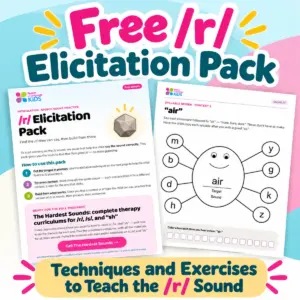
To assist in this process, new resources are being introduced to the professional community that synthesize these complex techniques into manageable, actionable strategies. By providing a curated collection of exercises designed to elicit the /r/ sound, these resources aim to demystify the positioning process. These tools often focus on sensory-based feedback, such as using tactile cues or mirror work, to help students bridge the gap between abstract instruction and physical action. When a student can finally "feel" the resonance of a successful /r/, it often marks a turning point in their therapeutic journey, shifting the dynamic from one of guesswork to one of intentional, repeatable control.
The necessity of these elicitation strategies cannot be overstated, especially when working with teenagers. While early intervention is often ideal, many students continue to struggle with /r/ well into their secondary school years. At this stage, the social and academic pressures of speech production are heightened. A student who has spent years failing to produce a sound correctly may develop significant anxiety surrounding public speaking or class participation. Therefore, the role of the therapist extends beyond pure mechanics; they must also act as a coach, helping the student build the resilience required to navigate the trial-and-error process of motor learning. Elicitation is the starting point for this recovery, providing the student with the initial success they need to believe that progress is possible.
As practitioners continue to refine their approach, the focus remains firmly on the technical precision of the sound. The journey from a distorted or substituted sound to a clear, resonant /r/ is rarely a linear path. It involves constant adjustment, fine-tuning, and a deep understanding of the physiological constraints of the human mouth. By leveraging modern elicitation packs and proven clinical techniques, therapists are better equipped to guide their students through this labyrinthine process. These materials serve as a bridge, translating complex linguistic theory into practical exercises that can be integrated into regular therapy sessions.
Furthermore, the integration of visual aids, such as video demonstrations, has revolutionized the way these concepts are taught. Because the articulators are hidden, video content allows clinicians to observe the subtle movements of the tongue and jaw in a way that is difficult to replicate in real-time conversation. These visual references act as a blueprint for the student, providing a clear target for their own articulators to mimic. When combined with traditional auditory feedback, these visual tools create a multi-sensory learning environment that significantly improves the rate of acquisition. For many students, seeing the process in action is the missing link that finally allows them to adjust their tongue placement with the necessary accuracy.
The focus on the /r/ sound also highlights the importance of consistency in therapy. Even with the best strategies and tools, the /r/ sound requires significant repetition to become an automated part of a speaker’s repertoire. This is why the initial elicitation phase is so foundational; it sets the tone for the long-term practice that will inevitably follow. Without a solid starting point, the child or teen is essentially practicing the wrong motor pattern, which can reinforce incorrect habits and make future correction even more difficult. By prioritizing the quality of the sound in isolation, therapists ensure that the subsequent stages of therapy—moving through words, sentences, and eventually conversation—are built on a platform of accuracy rather than approximation.
In the broader context of speech pathology, the focus on /r/ serves as a reminder of the intricate nature of human communication. It is a sound that demands a high level of physical coordination, highlighting the fact that speaking is, at its core, a complex motor task. When that task becomes a source of struggle, it is the role of the therapist to break it down into its constituent parts, guiding the student through the challenges of positioning and resonance until the sound becomes second nature. Through the application of refined elicitation techniques, the most difficult sound in the English language becomes a manageable objective, allowing students to speak with greater clarity and confidence.
As these methodologies continue to be refined, the goal remains the same: to empower students with the tools they need to overcome their speech barriers. Whether through personalized exercises, visual models, or structured elicitation packs, the emphasis on quality and precision continues to define the standard of care. By addressing the /r/ sound with the specific, focused attention it demands, professionals are helping students unlock a critical component of their speech, ultimately enabling them to communicate more effectively and participate fully in the world around them. The progress made during these sessions represents not just an improvement in articulation, but a significant boost in the student’s overall communicative competence and self-assurance.