





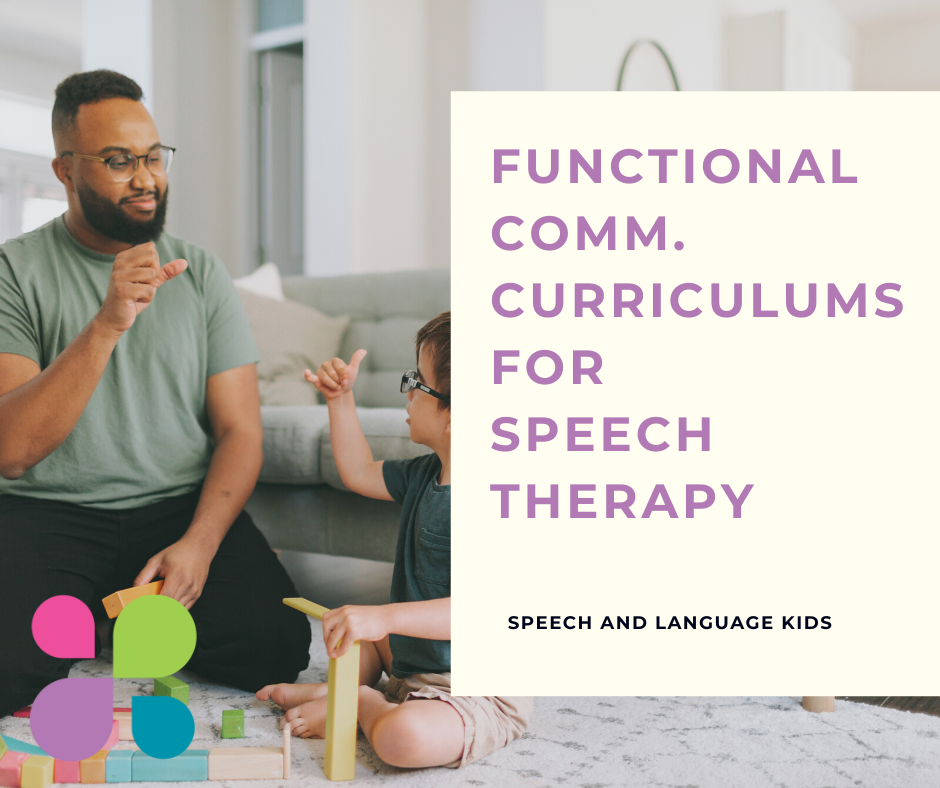
For parents, educators, and speech-language pathologists, the ability of a child to communicate their basic wants and needs is not merely a developmental milestone—it is a fundamental bridge to social connection and personal independence. Recognizing the critical need for structured, evidence-based tools, a new suite of functional communication curriculums has been launched, designed to provide a comprehensive roadmap for helping children navigate the complexities of speech and interaction.
These newly introduced resources move away from the "one-size-fits-all" approach that has historically plagued communication therapy. Instead, they offer specialized, systematic programs tailored to how individual children process language. Whether a child is just beginning to find their voice or is transitioning to augmentative and alternative communication (AAC) systems, these curriculums provide a clear, step-by-step framework intended to make therapy sessions more meaningful and progress more measurable.
Addressing Diverse Communication Profiles
A significant innovation within this new curriculum suite is the recognition of distinct language processing styles. The programs are carefully segmented to address the needs of both analytic and gestalt language processors. For many years, speech therapy was heavily biased toward analytic processors—children who learn language word-by-word. By incorporating a dedicated "Shaping Echolalia" curriculum for gestalt language processors—children who learn language in larger "chunks" or phrases—the program adopts a neurodiversity-affirming stance. This ensures that therapists and parents are not trying to force a child into a mold that contradicts their natural cognitive development, but rather working with that child’s unique biological strengths to foster self-generated, flexible speech.

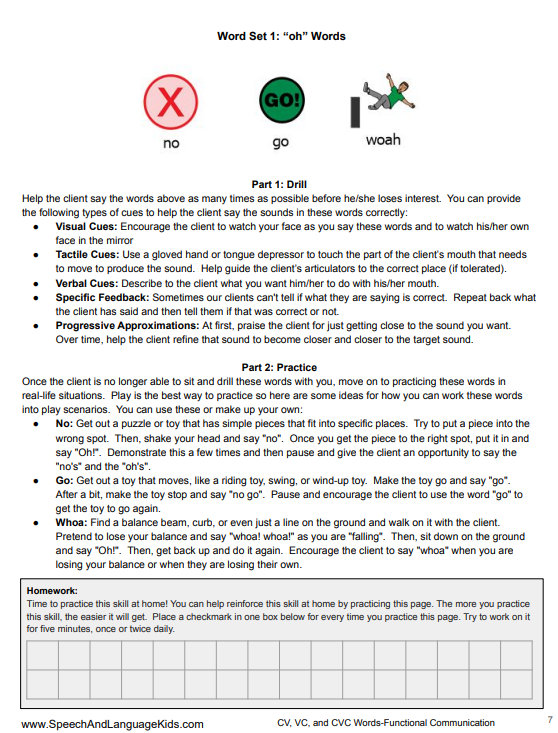
The "First Words" curriculum, conversely, provides a no-prep structure for those children who benefit from the traditional building-block approach to language acquisition. By providing clear pathways for teaching early vocabulary and functional expression, these resources aim to alleviate the significant administrative burden on clinicians. By reducing the time spent on lesson planning, professionals can dedicate more of their energy to the nuanced, human-centric aspects of therapy.

A Structured Approach to AAC and Social Interaction
The inclusion of an Augmentative and Alternative Communication (AAC) curriculum highlights the growing importance of assistive technology in modern clinical practice. For children who are non-speaking or whose speech is not fully functional, AAC systems are often life-changing. However, the introduction and mastery of these devices can be daunting for families and educators. The new curriculum offers a roadmap that transitions from the most basic levels of communication—such as making simple requests—to advanced, independent functional interaction.
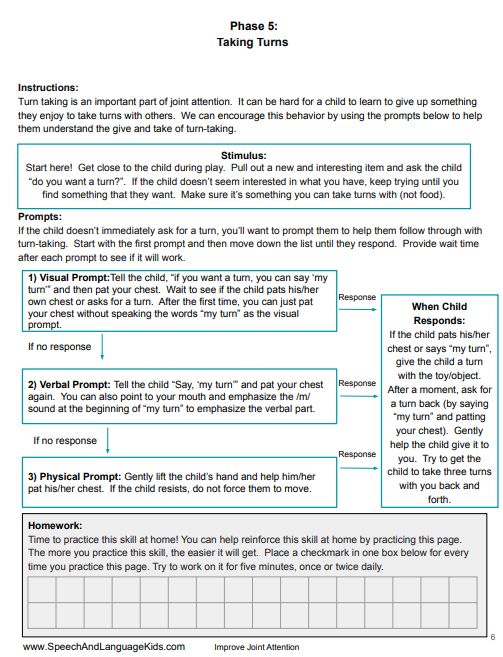
Similarly, the "Early Interactions" curriculum targets the foundational social skills that often precede formal speech. By breaking down the process of engagement into three levels—building awareness, understanding communication, and expanding social participation—the program provides a scaffold for children who may struggle with joint attention or the back-and-forth rhythm of social exchange. This is particularly relevant for children between the ages of one and three, though the curriculum is flexible enough to support older children and teens who may have missed these critical developmental milestones.

Transforming the Therapy Landscape
The core philosophy behind these resources is that consistency and clarity are the primary drivers of progress. When therapists and parents have access to clear, evidence-based plans, the anxiety of "what to do next" is removed. This clarity is not just for the adult; it provides a predictable environment for the child. When a child understands the expectations and has the right tools to meet them, the frustration often associated with communication barriers begins to dissipate.
The curriculums are designed to be practical and applicable across various environments, including formal therapy clinics, the home, and general daily routines. This versatility is essential because communication is not a skill that is isolated to a forty-five-minute session once a week; it is a constant, living process. By embedding these strategies into the fabric of a child’s daily life, families are better equipped to support their development in real-world contexts.
The Role of Technology and Professional Support
The initiative also includes mini-courses and digital resources that offer instant access to these methodologies. This is a vital development for families in rural or underserved areas who may not have immediate access to specialized speech-language pathologists. While these tools do not replace the role of a certified professional, they serve as a bridge, empowering parents to take an active, informed role in their child’s communication journey.
The integration of video support and clear documentation within the curriculum allows for a more "hands-on" experience. By watching how these concepts are applied in practice, users can gain confidence in their own ability to facilitate learning. This approach effectively democratizes access to high-quality therapy techniques, ensuring that more children have the opportunity to develop the communication skills necessary for success in school and beyond.
As the field of speech-language pathology continues to evolve, the shift toward more personalized, neurodiversity-affirming models remains a top priority. The development of these curriculums reflects a broader movement to ensure that every child, regardless of their starting point, has the support required to express their ideas, advocate for their needs, and engage deeply with the world around them.
The transition from a child being unable to express a basic want to them being able to communicate complex ideas independently is a profound shift. It is this transformation that serves as the primary goal of these new resources. By providing the architecture for that progress, these programs aim to ensure that no child’s voice is left unheard, and no family has to navigate the complexities of communication disorders without a clear, evidence-based map to guide them. The emphasis on "practical, evidence-based, and life-changing" tools suggests that the future of speech therapy lies in the thoughtful application of structure to honor the individual complexity of every child’s unique communication journey.