








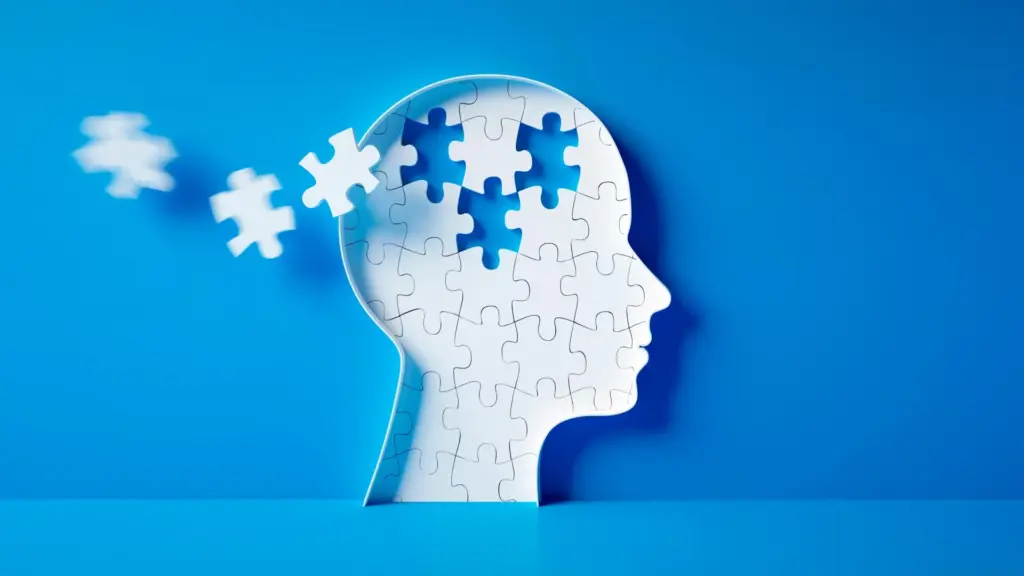
For generations, the narrative surrounding human aging has been dominated by a singular, often grim theme: decline. We are taught to view the passage of time as a slow erosion of cognitive faculties, characterized by fading memory, slowed processing speeds, and a gradual retreat from the mental sharpness of our youth. However, a growing body of research from the University of Arizona is challenging this conventional wisdom, suggesting that what we perceive as "deterioration" may, in fact, be a sophisticated, biologically driven adaptation to a new stage of life.
In a recent study published in Perspectives on Psychological Science, researchers propose the "adaptive aging hypothesis." This framework argues that the human brain does not simply degrade as we age; rather, it pivots. By reallocating its neural resources, the aging brain shifts its priorities from the accumulation of raw, detailed information to the synthesis of meaning, wisdom, and the preservation of a lifetime of expertise. This perspective suggests that the older brain is not "less capable," but rather optimized for different, equally vital social and intellectual tasks.
A Shift in Neural Priorities
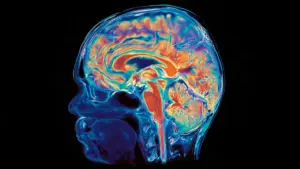
To understand this transition, researchers point to the interplay between two critical regions of the brain: the hippocampus and the frontal cortex. The hippocampus is the brain’s librarian, tasked with recording the granular details of our daily lives—the specific circumstances, faces, and events that make up our episodic memories. In contrast, the frontal cortex acts more like a strategist, focused on recognizing patterns, identifying the "gist" of an experience, and deriving broader meaning from the information we have gathered.

According to the adaptive aging hypothesis, the balance between these two regions shifts as we age. In younger years, the brain is in "acquisition mode." Children and young adults, who are building their foundational understanding of the world, rely heavily on the hippocampus to absorb and archive as much precise data as possible. This is the stage of life where we are, quite literally, sponges.
However, as we enter later adulthood, the biological landscape changes. Having already accumulated a vast repository of concepts, experiences, and social knowledge, the brain no longer needs to function like a high-resolution camera recording every flicker of movement. Instead, it begins to prioritize the frontal cortex. This shift allows the individual to filter new experiences through the lens of existing wisdom, prioritizing context and meaning over the rote memorization of individual details.
"If we look at normative aging as a story of just decline, we are really missing the boat," says Fabian-José Fernandez, a coauthor of the study and an associate professor of cognition and neural systems at the University of Arizona. "The older brain is optimized for different things than the younger brain, predominantly the sharing of stored expertise and social relationships."
The Evolutionary Imperative of Wisdom
The researchers suggest that this transition is not merely a quirk of aging but likely an evolutionary development. If an organism reaches a certain age, it has fulfilled its role of early development and has become a repository of survival-critical information. From an evolutionary standpoint, it is highly advantageous for a species to have older individuals who possess the judgment, mentorship capabilities, and deep historical context necessary to guide the younger generation.
"The fact that you see this across people and animal models suggests there is an evolutionary driving force," Fernandez explains. "One could argue you are developing your entire life, and development occurs in lockstep with the needs of your brain."
In this light, the "nitty-gritty" details that a 70-year-old might struggle to recall are, in some sense, less important than the "big picture" lessons they can offer. The biological changes that seem to dampen episodic memory may be the brain’s way of protecting and reinforcing semantic and autobiographical knowledge—the very things that constitute wisdom. By offloading the mental energy required for constant, precise record-keeping, the brain frees up capacity for the complex social interactions, storytelling, and moral reasoning that allow older adults to serve as the pillars of their communities.
Distinguishing Healthy Aging from Pathology
A significant portion of the researchers’ work involves clarifying the critical distinction between this "adaptive aging" and neurodegenerative diseases such as Alzheimer’s. For years, there has been a tendency in both clinical and public discourse to treat Alzheimer’s as an accelerated or "extreme" form of typical aging. The researchers behind the adaptive aging hypothesis argue that this is a fundamental misconception.
"When I was in grad school, people thought about Alzheimer’s as a more intense version of cognitive aging, but that is just not the case," Fernandez notes. "They are completely different."
In healthy aging, the shift away from hippocampal dominance is a controlled, evolutionary transition that occurs between the fifth and seventh decades of life. In contrast, Alzheimer’s disease is characterized by the presence of pathological proteins, such as amyloid and tau, which disrupt the brain’s natural developmental trajectory.
One of the most striking pieces of evidence for this distinction lies in the behavior of the hippocampus. While healthy aging is marked by a functional deemphasis of this region, Alzheimer’s is often associated with the opposite: pathological hyperactivity. This hyperactivity does not help the brain adapt; instead, it interferes with the circuits necessary for maintaining one’s own life narrative, vocabulary, and semantic knowledge. Understanding that Alzheimer’s is a disruption of a natural, healthy transition, rather than the end-point of that transition, is vital for future research into treatments and diagnostics.
Rethinking the Value of the Aging Brain
The implications of the adaptive aging hypothesis extend far beyond the laboratory. If society continues to judge the cognitive health of older adults based solely on metrics designed for the young—such as the ability to memorize lists of words or recall minute details—we are inherently setting older adults up for failure and overlooking their greatest strengths.
The researchers suggest that society needs to reconsider what "successful" aging looks like. Instead of focusing on compensatory strategies that force older adults to function like younger ones, we should be creating environments that leverage the strengths of the mature mind. This includes prioritizing intergenerational interaction, where the expertise and wisdom of older adults can be effectively transferred to younger generations.
"People see older individuals and look at them as not being on par with younger individuals across a lot of metrics," Fernandez says. "The way I look at it is that you’ve got someone with a brain that has been active for several decades and has seen a lot. There is tremendous value there, and we don’t do a good job of unlocking it."
By reframing aging as a phase of life characterized by specialized cognitive priorities rather than simple loss, the adaptive aging hypothesis offers a more nuanced, and perhaps more optimistic, view of human development. It suggests that the brain’s "twilight" years are not about the fading of the light, but rather a shift in focus—from the collection of data to the meaningful application of a life’s worth of experience. Recognizing these hidden strengths could be the first step toward a society that better values the unique contributions of its elders.