









In a significant departure from long-standing scientific consensus, researchers at the University of Kentucky have uncovered a surprising mechanism behind the severe sleep disturbances that plague millions of individuals living with Alzheimer’s disease. Their findings suggest that the cognitive and physical decline associated with the condition may be worsened by the brain’s own immune system, a discovery that offers a hopeful, potentially reversible target for treatment that does not require the removal of the disease’s signature amyloid plaques.
For decades, the medical community has focused almost exclusively on amyloid plaques—sticky, protein-based deposits that accumulate between nerve cells—as the primary driver of Alzheimer’s pathology. While these plaques remain a hallmark of the disease, the new study suggests that the brain’s reaction to them is just as damaging, if not more so, than the plaques themselves. Published in the journal Alzheimer’s & Dementia, the study was led by Shannon L. Macauley, Ph.D., an associate professor of physiology at the University of Kentucky College of Medicine, alongside first author Nicholas J. Constantino, Ph.D., a recent doctoral graduate.
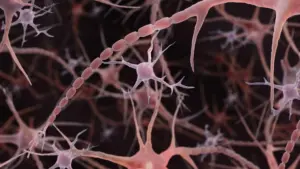
Dr. Macauley describes the findings as "paradigm-shifting." By challenging the assumption that plaques are the sole antagonists in the disease process, the team has redirected attention toward microglia—the brain’s specialized immune cells. While these cells are essential for maintaining a healthy neural environment by clearing debris and responding to injury, the research indicates that in an Alzheimer’s-affected brain, this defensive system goes into overdrive, creating an inflammatory cascade that keeps the brain in a state of hyper-alertness, effectively preventing restorative sleep.

The Mechanism of Disrupted Rest
To illustrate the phenomenon, the researchers use the analogy of a kitchen fire. In a healthy scenario, a sprinkler system would target only the immediate area of the fire to contain the damage. In the Alzheimer’s-affected brain, however, it appears the "sprinkler system"—the microglia—is triggered so aggressively that it floods the entire house, causing widespread collateral damage that far exceeds the initial threat.
Traditionally, sleep issues in Alzheimer’s patients were attributed to the direct damage plaques cause to neurons. However, the University of Kentucky team found that when microglia detect these plaques, they release inflammatory signals that disrupt normal brain activity. As Dr. Macauley explains, it is as if the microglia are "partying all night," keeping the brain in a state of wakefulness that precludes the deep, restorative stages of sleep necessary for memory consolidation and physical repair.
Investigating the Brain’s Electrical Landscape
To arrive at these conclusions, the team conducted a series of sophisticated experiments using mouse models. They compared two groups: mice genetically predisposed to develop amyloid plaques and "wild-type" mice that aged naturally. By monitoring the animals at six months—when plaques first begin to manifest—and at 18 months, when the pathology is significantly more advanced, the researchers were able to isolate the effects of Alzheimer’s from those of typical aging.
The scientists employed advanced neuro-monitoring technology, fitting the mice with devices to record electroencephalography (EEG) and electromyography (EMG). The EEG data allowed them to track the electrical rhythms of the brain, while the EMG measured muscle activity. Together, these tools provided a precise map of the sleep-wake cycle. Furthermore, they utilized light-sheet microscopy, a cutting-edge imaging technique that renders biological tissue transparent, allowing the team to create detailed three-dimensional maps of how plaques and microglia were distributed throughout the brain.
A Surprising Reversal
The most transformative phase of the study involved a test of causality. Using a drug called Pexidartinib (PLX3397), which was originally developed for cancer research, the team temporarily depleted approximately 87% of the microglia in the mice. The results were immediate and striking: the mice recovered more than two hours of sleep per day.
Perhaps most unexpectedly, this improvement occurred without a reduction in the amyloid plaque burden. Even with the plaques still present in the brain, the removal of the overactive immune cells allowed the mice to transition into deeper, more restorative stages of non-rapid eye movement (NREM) sleep. This finding suggests that the inflammation triggered by the immune system is a distinct, and potentially treatable, driver of sleep loss.
The researchers also utilized a mathematical method known as Fitting Oscillations and One Over Frequency (FOOOF) to analyze brain activity. By separating the rhythmic brain waves from background electrical noise, the team confirmed that the brain of an Alzheimer’s-affected mouse remains abnormally active during periods meant for rest—a state that acts much like a car engine left running at high speed while the vehicle is parked.
The "Ceiling Effect" and Early Detection
The study further revealed an unexpected pattern in how the disease progresses. Dr. Constantino noted that, contrary to their initial hypothesis, sleep disruption did not continue to worsen in direct proportion to the accumulation of amyloid plaques. Instead, the team observed a "ceiling effect," where sleep quality dropped early in the disease process—at the six-month mark—and remained relatively stable thereafter, even as the plaque burden doubled by 18 months.
This suggests that the early inflammatory response to the initial formation of plaques is a critical window for intervention. By understanding that sleep disturbances are not necessarily a terminal symptom of late-stage disease but rather an early, inflammation-driven consequence, clinicians may eventually be able to identify and treat patients much sooner.
Furthermore, the team identified distinct differences between normal aging and Alzheimer’s-related sleep loss. While aging typically erodes REM sleep—the stage associated with vivid dreaming—Alzheimer’s pathology selectively attacks NREM sleep. This deep, restorative sleep is vital for "washing out" metabolic toxins and performing necessary maintenance on neural pathways. The loss of NREM sleep creates a vicious cycle: the Alzheimer’s pathology disrupts sleep, and the resulting lack of restorative sleep prevents the brain from effectively clearing harmful waste, which in turn likely accelerates the progression of the disease.
Future Directions for Treatment
While the removal of 87% of microglia is a valuable experimental tool, it is not a viable clinical treatment for humans. However, the researchers are already looking for ways to translate these insights into practice. The goal is not to eliminate microglia, as they are necessary for overall brain health, but to modulate their response to plaques.
The laboratory is currently investigating existing medications, such as the diabetes drug Metformin and the anti-seizure medication Stiripentol. These drugs are being evaluated for their ability to alter cellular metabolism—essentially teaching the microglia to use energy more efficiently so they do not overreact to the presence of amyloid. By "calming" the immune cells rather than removing them, the researchers hope to prevent the inflammatory cascade that disrupts sleep.
Beyond pharmacological treatments, the team is optimistic about the potential for EEG to serve as an accessible, longitudinal biomarker for Alzheimer’s. Because EEG is non-invasive, relatively affordable, and can be used in portable devices, it could allow for widespread screening, particularly in underserved or rural areas where access to specialized diagnostic imaging is limited. Portable EEG systems could monitor patients in their home environments, catching early signs of cognitive or sleep-related decline long before severe memory loss occurs.
A Culture of Scientific Inquiry
Dr. Macauley credits the success of this research to the collaborative and rigorous culture of her laboratory at the University of Kentucky’s Sanders-Brown Center on Aging. By fostering an environment where students are encouraged to be "calculated risk-takers" and to challenge prevailing dogmas, the team was able to pivot when their initial hypotheses proved incorrect.
"Dr. Macauley has taught me to embrace uncertainty and failure as part of the scientific process," Dr. Constantino noted. "Some of the most interesting studies I have been a part of emerged because our original hypothesis was wrong."
As the team continues to refine their approach, their focus remains on the "why" behind the brain’s behavior. By following the data and asking difficult questions, they have opened a new door in Alzheimer’s research—one that suggests that the key to preserving brain function may lie not in clearing the wreckage of the disease, but in quieting the overzealous immune response that turns a manageable health challenge into a devastating loss of quality of life. The next phase of their work will determine whether these findings can be safely replicated in humans, potentially offering a new, accessible way to support those at risk for, or living with, the early stages of Alzheimer’s disease.