









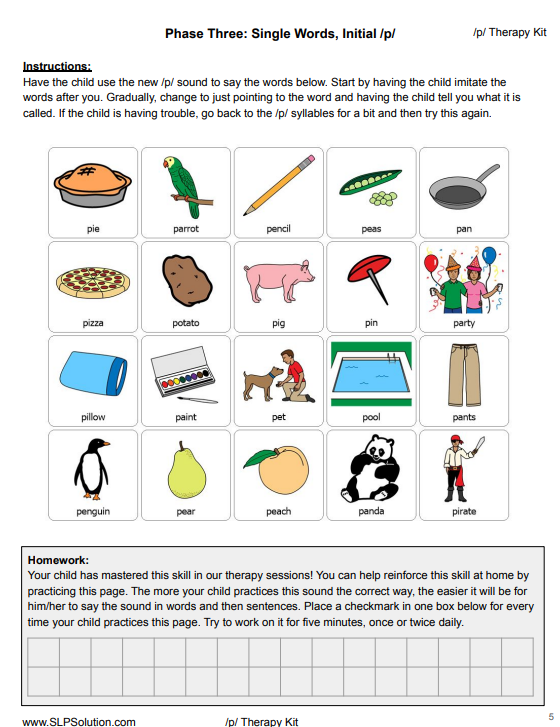
Speech-language pathologists (SLPs), educators, and parents often face a common challenge in the therapeutic process: the time-consuming and often disjointed task of piecing together disparate activities to address speech sound disorders. In a significant effort to address this, a new, comprehensive suite of speech sound curriculums has been introduced, designed to offer ready-to-use therapy plans that facilitate speech clarity in clinical, home, and classroom environments.
The initiative, developed by experienced speech-language pathologists, is grounded in evidence-based practices. By providing structured, step-by-step guidance, the program aims to reduce the administrative burden of therapy planning, thereby allowing professionals to focus more effectively on the progress of their students and clients. The creators emphasize that the primary goal is to shift the focus from the stress of preparation to the actual outcomes of the children receiving support.
A Structured Approach to Articulation Therapy
At the heart of the new offerings is an articulation curriculum designed to eliminate the guesswork often associated with speech therapy. This curriculum provides a systematic roadmap for children and teens working toward clearer speech. By offering a standardized yet adaptable framework, it aims to help students achieve faster and more sustainable progress in their sound production.

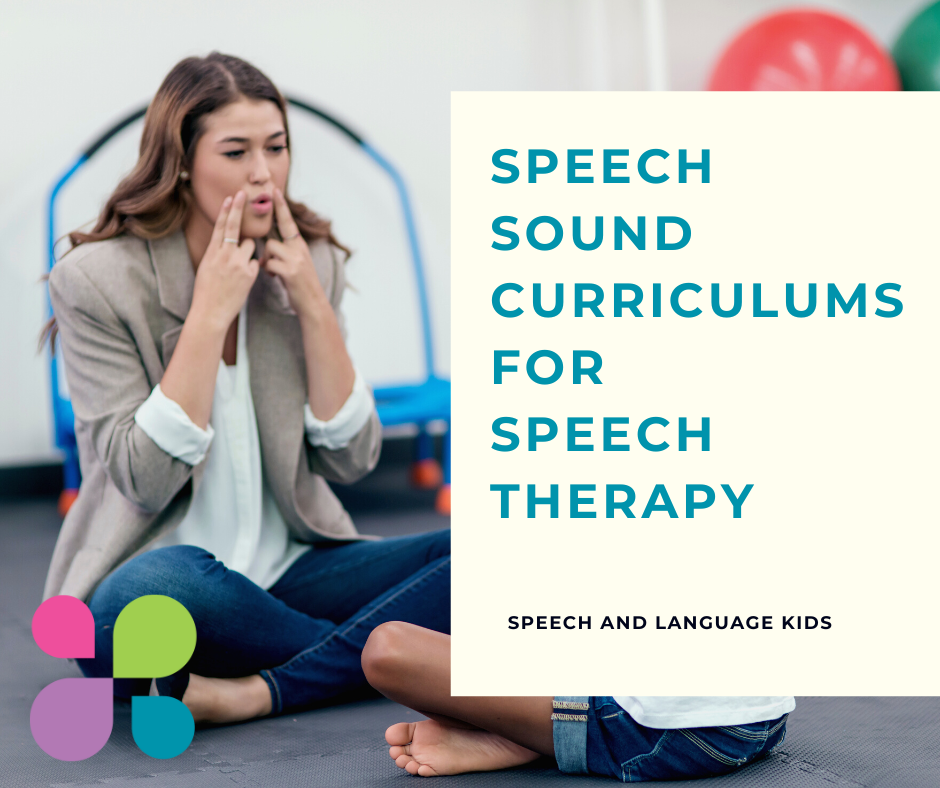
The program is categorized into three distinct levels based on developmental milestones. The "Beginner Level" focuses on early-developing sounds, typically appropriate for children between the ages of two and three. The "Intermediate Level" shifts the focus to mid-developing sounds for children aged three to four, while the "Advanced Level" targets later-developing sounds and complex clusters for children aged four to seven. While these age ranges reflect standard developmental mastery, the developers note that the curriculum is flexible and can be effectively adapted for older children and teenagers who may still require intervention in these areas.
Addressing Phonological Processes
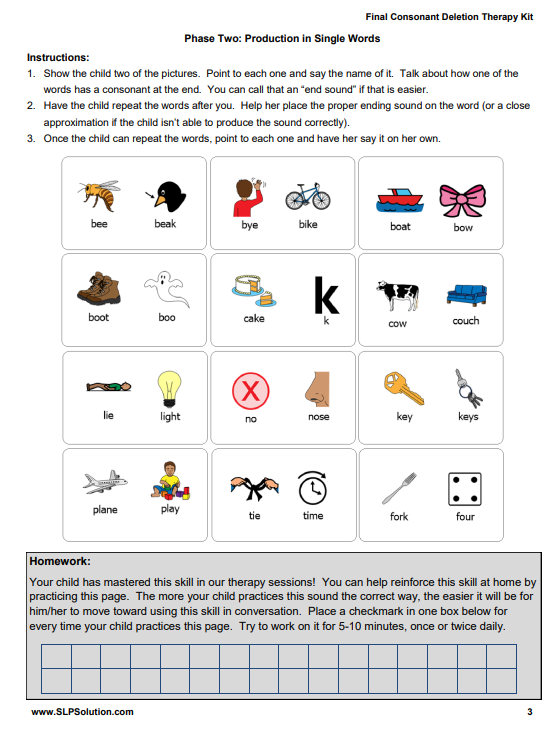
Beyond articulation, the curriculum suite includes a dedicated system for teaching phonology. Phonological disorders, which involve patterns of sound errors rather than isolated sound production issues, often require a more specialized approach. The phonology curriculum provides an easy-to-follow system that includes all necessary therapy materials, training resources, and ongoing support for the clinician.
Similar to the articulation program, the phonology curriculum is tiered to match developmental stages. The beginner tier addresses early phonological processes, generally seen in children aged three to four. The intermediate level advances to mid-developing processes for those aged four to five, and the advanced level covers later-developing phonological patterns for children aged four to seven. By providing a cohesive structure, the program aims to demystify the process of phonological remediation, helping practitioners guide their students from initial assessment to successful mastery of these complex patterns.

Navigating Motor Speech Challenges
Recognizing that motor speech disorders—which involve the physical ability to coordinate the muscles for speech—require a different therapeutic focus, the developers have included a specialized motor speech curriculum. This framework is intended to move children from the frustration of limited communication to a place of confidence and clarity.
The motor speech curriculum is structured to support children as they develop the coordination required for speech production. The beginner level starts with the foundational building blocks of consonant-vowel (CV), vowel-consonant (VC), and consonant-vowel-consonant (CVC) word structures, typically for children aged one to three. The intermediate level expands these structures and increases utterance length for children aged 1.5 to four. Finally, the advanced level focuses on the coordination required for connected speech, targeting children aged three to seven. As with the other programs, the developers maintain that these levels are not strictly limited by age and can be applied to older individuals who may benefit from the structured approach to motor speech coordination.
Confidence-Building for Mumbling
A unique component of the curriculum suite is the "Mumbling Curriculum," designed specifically for children and teens who struggle with voice projection and clarity. Mumbling can often be a source of social anxiety and academic frustration, and this program seeks to address the issue through a structured, confidence-building approach.
The curriculum encourages students to move beyond unclear speech patterns by learning to project their voices and articulate with greater intention. The progression starts at the beginner level with over-articulation in structured tasks for children aged three to five. It then moves to the intermediate level, which focuses on speaking clearly during structured conversations for those aged five to seven. The advanced level concludes with self-correcting techniques in natural conversation for children aged seven to ten. By emphasizing self-awareness and intentional speech, the program aims to empower students to communicate effectively in any setting, whether in the classroom, at home, or among peers.
Support for the Professional Journey
The developers of these curriculums emphasize that the path to better communication is rarely a solitary one. The introduction of these materials is intended to serve as a resource for those who feel the weight of having to "reinvent the wheel" for every new student or client. The overarching philosophy is that when a practitioner has a clear, evidence-based plan, the efficiency of the therapy session increases significantly.
The platform provides a comprehensive suite of tools that go beyond speech sounds, covering other major areas of communication to ensure a holistic approach. By providing a clear trajectory from the first session to final mastery, the system aims to allow SLPs to spend significantly less time on paperwork and lesson planning. This shift in focus is expected to result in a more responsive and impactful therapy environment.
The developers suggest that the impact of these tools extends beyond the technical aspects of speech. When children begin to communicate with clarity and confidence, it often has a profound effect on their self-esteem, social interactions, and overall academic performance. By standardizing the quality of therapy materials and providing clear, actionable steps, the curriculum suite aims to ensure that more children have access to the support they need to succeed.
For those interested in the practical application of these programs, the creators offer various resources, including video demonstrations and supplementary content that provide a "sneak peek" into how the curricula function in a real-world setting. This transparency is intended to help professionals, parents, and educators feel confident in their ability to implement these strategies immediately.
The curriculum suite is available with instant access, designed to minimize the barriers to entry for those seeking to enhance their therapy sessions. With no long-term commitment required, the goal is to provide a low-risk, high-reward solution for anyone dedicated to helping children overcome speech challenges. Whether the user is a veteran speech-language pathologist looking to streamline their practice or a parent seeking a structured way to support a child’s development at home, these materials offer a pathway toward clearer, more confident communication.