







For speech-language pathologists, educators, and parents alike, the challenge of finding effective, evidence-based tools that seamlessly integrate into daily therapy has long been a source of professional fatigue. Often, practitioners find themselves spending countless hours hunting for supplemental materials that only partially address a child’s specific communication needs. In an effort to resolve this persistent hurdle, a new series of comprehensive, ready-made language curriculums has been introduced, designed to offer a systematic, evidence-based roadmap for boosting language skills across various settings, including clinical therapy sessions, home environments, and the classroom.
The core philosophy behind these new resources is the elimination of guesswork. By providing structured, step-by-step plans, these programs aim to allow clinicians and caregivers to move beyond the cycle of piecing together disparate activities. Instead, they offer a coherent, organized framework that guides the instructor on exactly what to teach next, ensuring that the intervention is as efficient as it is effective. These materials are built on the premise that when language instruction is organized and consistent, children can make faster progress in understanding others and expressing themselves, ultimately leading to greater success in their daily lives.
Targeted Curriculums for Core Language Areas
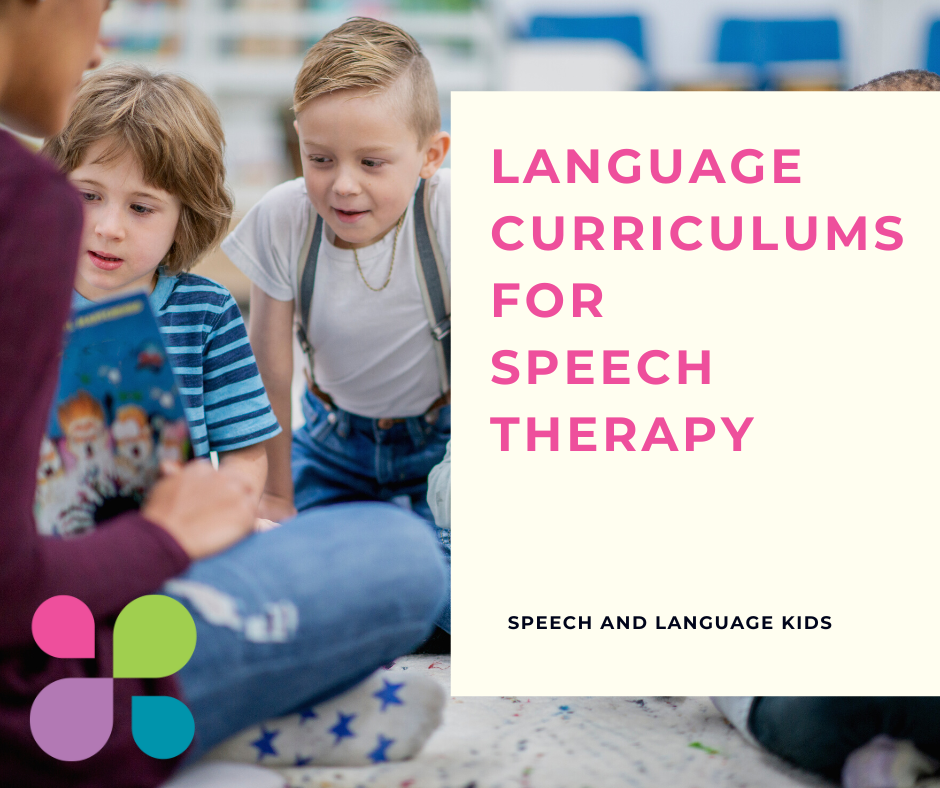
The initiative spans several key domains of language development, each broken down into three distinct levels—Beginner, Intermediate, and Advanced—to accommodate the developmental trajectory of children and teens. While the programs are categorized by typical age ranges for skill mastery, they remain flexible enough to support older individuals who may still be working to strengthen these fundamental abilities.

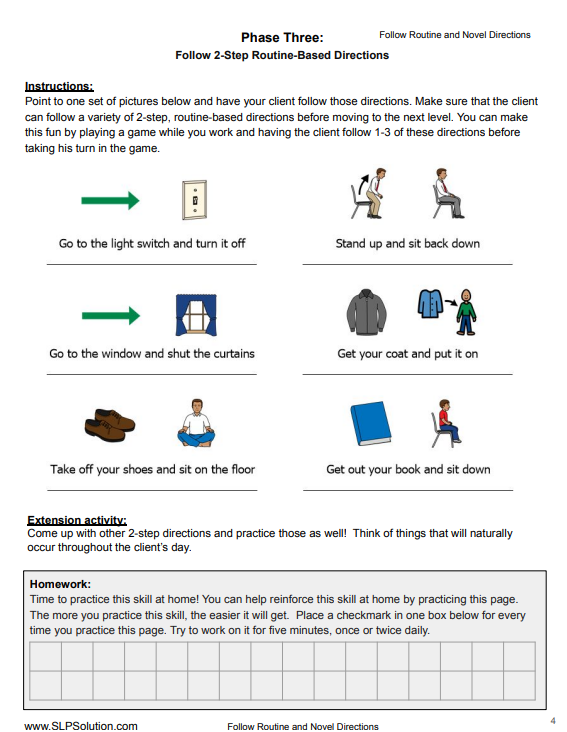
One of the cornerstones of this collection is the Following Directions Curriculum. This program addresses the essential skill of comprehension, guiding children from basic, single-step tasks to complex, multi-step instructions. By building these foundational abilities, the program helps foster the attention and confidence required for children to thrive in academic and social environments where the ability to follow instructions is paramount.

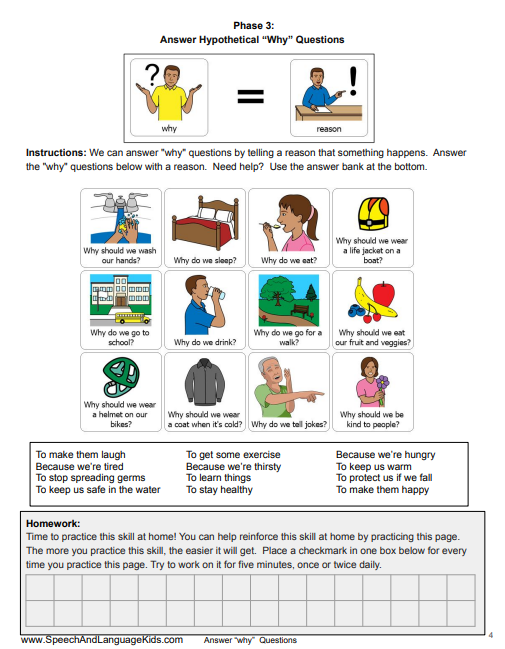
Complementing this is the Asking and Answering Questions Curriculum. Recognizing that questioning is the engine of social interaction and learning, this system provides a structured approach to teaching both the mechanics of asking questions and the cognitive skill of formulating answers. By moving from basic yes/no queries to complex, mixed-question conversations and, finally, to the application of these skills in academic and real-world settings, the curriculum provides a scaffolded pathway toward more autonomous communication.
Building Narrative and Grammatical Competence
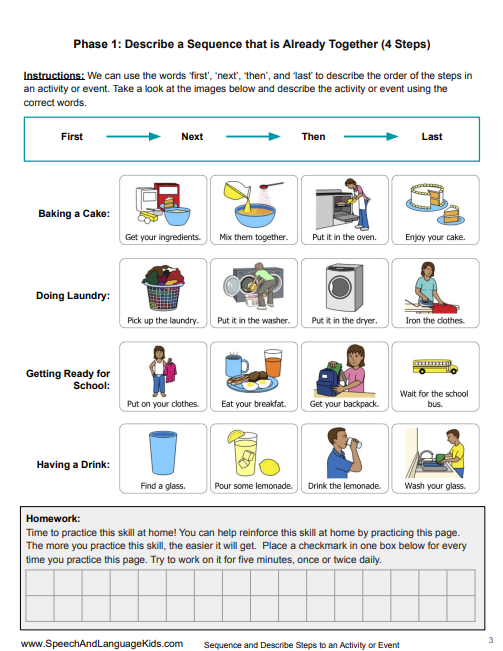
For children struggling to organize their thoughts or convey events coherently, the Sequencing and Retelling Curriculum offers a vital intervention. This program focuses on the cognitive and linguistic skills required to recount past events and retell stories. By teaching children how to arrange ideas in a logical sequence, the curriculum helps them build stronger narratives. The progression starts with simple, common daily tasks and advances toward the more sophisticated sequencing required for complex school-based work.
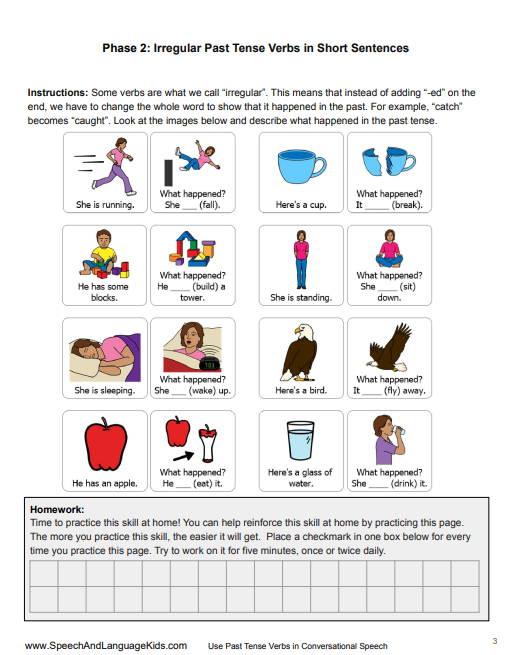
The Grammar and Syntax Curriculum takes a similar results-driven approach. It replaces the traditional, often scattered method of teaching grammatical rules with a clear, systematic progression. By starting with foundational grammar skills and expanding toward complex sentence structures and mastering usage for effective communication, the program aims to provide a lasting framework for linguistic precision. This is particularly beneficial for students who struggle with the mechanics of language and need a more explicit, step-by-step method to internalize the rules of syntax.
Addressing Abstract Language and Vocabulary
As children advance, the demands of their language environment shift from literal to more nuanced communication. The Abstract Language Curriculum is designed to address this transition, helping students navigate the complexities of figurative language, inferencing, and social nuance. This is a critical area for many students, as the ability to understand implied meaning is often a significant hurdle in social and academic settings. By making these abstract concepts more concrete and teachable, the curriculum provides a low-prep, high-impact solution for clinicians.
Similarly, the Vocabulary Curriculum recognizes that language growth is inextricably linked to the breadth and depth of a child’s lexicon. Rather than relying on rote memorization, this program emphasizes a developmentally layered approach. It begins by establishing a core vocabulary for younger children and moves toward teaching advanced word-learning and word-attack strategies. This ensures that students are not just learning words in isolation but are gaining the independent skills necessary to continue expanding their vocabulary long after their formal therapy sessions have concluded.
Foundations for Literacy and Future Success
The final pillar of this initiative is the Language Foundations for Literacy Curriculum. Understanding that strong oral language is the bedrock of reading and writing, this program bridges the gap between spoken communication and literacy. By focusing on pre-literacy foundations and advancing through discourse structures and critical thinking for text-based work, it provides a cohesive path for students to improve their ability to understand, analyze, and express ideas in written form.
For those managing the complex, often unpredictable journey of speech-language therapy, the introduction of these resources is intended to provide more than just activities; it is intended to provide peace of mind. By reducing the time spent on lesson planning, practitioners can focus their energy on the human element of therapy—building relationships and supporting the child’s unique needs.
The developers of these curriculums emphasize that the goal is not to force every child into the same mold, but to provide a consistent, high-quality map for development. Whether a student is just beginning to develop core vocabulary or a teenager is refining their ability to navigate complex academic discourse, the availability of a structured plan can change the trajectory of their progress. When a clinician knows exactly what to teach and how to bridge the gap between sessions, the resulting consistency often translates into faster, more measurable gains for the student.
By offering instant access to these comprehensive materials, the initiative aims to support educators and therapists in creating an environment where communication can flourish. The emphasis remains on the fact that when children are empowered to communicate clearly and confidently, the benefits extend far beyond the therapy room, influencing their performance in school, their relationships at home, and their overall ability to engage with the world around them. As practitioners continue to seek more efficient ways to deliver high-quality care, tools that combine evidence-based practices with practical, time-saving designs appear to be an increasingly essential component of modern speech-language pathology.