





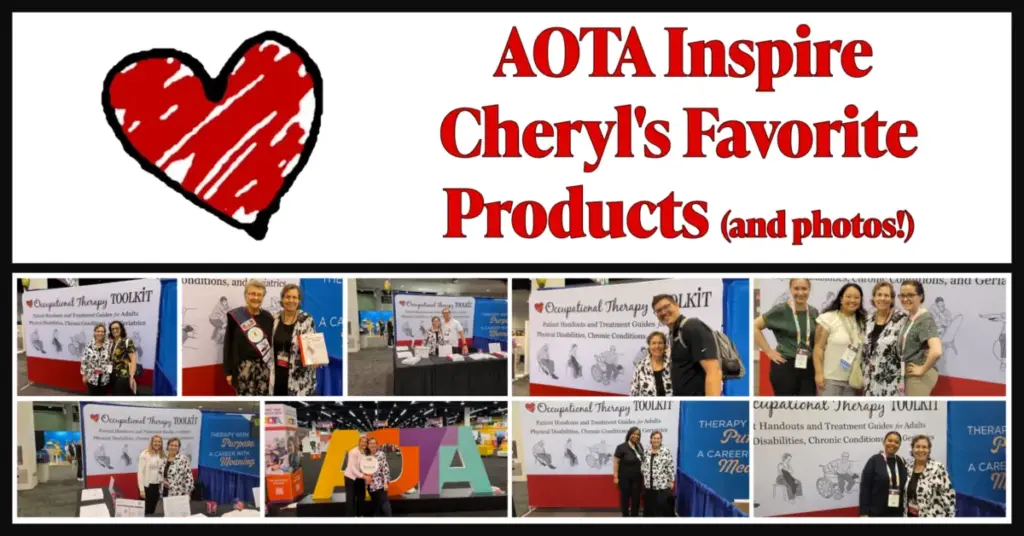
The annual AOTA Inspire conference remains the premier gathering for occupational therapy professionals, serving as a vital nexus for education, networking, and the exchange of innovative ideas. For the 2026 iteration, the atmosphere was electric, defined by a shared commitment to enhancing patient outcomes through creativity and evidence-based practice. Attendees from across the globe converged to discuss the evolving landscape of the profession, share clinical insights, and explore the latest technological advancements designed to support patients in their daily lives.
Among the many highlights of the event was the opportunity to engage with passionate practitioners who are consistently pushing the boundaries of what is possible in therapeutic care. The discourse at this year’s conference underscored a recurring theme: the necessity of tools that empower patients to reclaim their independence. Whether through manual adaptive equipment or high-tech digital health solutions, the innovations showcased on the exhibit floor highlighted a clear shift toward devices that are not only effective but also ergonomic and user-friendly. For those of us involved in the development of resources like the Occupational Therapy Toolkit, these conversations provide invaluable feedback, grounding our work in the real-world experiences of clinicians and the patients they serve.
Beyond the educational sessions and networking events, the exhibition hall offered a curated look at the future of assistive technology. It is a rare privilege to be able to walk the floor and witness the tangible progress being made by companies dedicated to the OT mission. Several exhibitors stood out this year for their commitment to quality and their thoughtful approach to the challenges patients face daily.

One such organization, Buckingham Healthcare, continues to set a standard for patient-centered design. Led by an occupational therapist, the company operates under a clear, mission-driven philosophy: "Helping People to Help Themselves." Their presence at AOTA Inspire 2026 was marked by the introduction of their latest product, the Buckingham Glideboard Transfer Board. Transferring remains a high-risk activity for both patients and caregivers, often contributing to fatigue and potential injury. The Glideboard addresses these concerns with impressive engineering, capable of supporting users up to 300 pounds. By reducing the physical strain associated with transfers by as much as 30%, the device serves as a critical intervention for maintaining safety and dignity during the transition from surface to surface. Its ergonomic profile and emphasis on ease of maintenance make it a practical addition to any clinical or home setting, reflecting the company’s deep understanding of the daily realities faced by OTs.
The pursuit of mobility and independence was further highlighted by the innovations presented by Stander. For many patients, the goal of independent living is tethered to their ability to navigate their environments safely. Stander’s comprehensive product line, which spans auto, bath, and bed safety as well as various aids for daily living, provides a versatile range of solutions for a wide demographic. A standout in their current lineup is the Wonder Walker. In an era where patients are increasingly seeking devices that do not feel overly "clinical," the Wonder Walker succeeds by blending functionality with aesthetic appeal. As the world’s most compact folding walker, it addresses the common barrier of storage and portability, allowing patients to maintain their active lifestyles without sacrificing convenience. With a weight capacity of 300 pounds and a thoughtful, integrated basket, the device serves as a testament to how safety features—when designed with the patient’s perspective in mind—can significantly improve quality of life and encourage continued physical activity.

Technological integration in therapy continues to accelerate, and Squegg has emerged as a significant player in the realm of hand therapy. For clinicians managing patients recovering from injury or dealing with chronic conditions that affect grip and pinch strength, Squegg offers a modernized approach to traditional strengthening exercises. The value of this solution lies in its ability to gamify therapeutic routines, which is a powerful tool for patient engagement. When a patient can track their progress through an intuitive digital interface and see the tangible results of their efforts, their adherence to a home exercise program often increases. Furthermore, the platform’s assessment flow, which aligns with the guidelines established by the American Society of Hand Therapists, ensures that the data being collected is clinically relevant. This marriage of digital convenience and professional standards represents a promising direction for hand therapy, providing OTs with data-driven insights that can refine treatment plans in real time.
Independence at home is often compromised by the physical difficulty of rising from a seated position. The Sit and Stand lift assistant is designed to address this specific challenge with remarkable versatility. The device is a portable, battery-operated personal lift that remains completely flat when not in use, making it an ideal solution for patients who require assistance but wish to avoid the bulk of permanent installations. Its portability allows for use in any room of the home, and its compact design makes it feasible for travel or community outings. By providing up to 8 inches of vertical lift and supporting individuals up to 400 pounds, it offers a level of stability and support that can be life-changing for those with limited lower-extremity strength. While high-end assistive technology often requires a significant investment, the potential for this device to prevent falls and sustain a patient’s ability to live independently makes it a noteworthy inclusion in the contemporary OT toolkit.
Finally, the conference showcased advancements in personal care, a domain that is often overlooked yet critical for maintaining self-esteem and autonomy. Clip Different has addressed one of the most persistent, yet rarely discussed, challenges: safe nail care. For individuals with limited fine motor skills, arthritis, or those managing with the use of only one arm, traditional nail clippers are not just difficult to use; they can be dangerous, risking nicks or skin tears. The company’s Lil Nipper technology changes the paradigm by moving away from the "clip and grind" method. Instead, it utilizes a gentle, continuous shaving action that removes a tiny sliver of the nail at a time. This technology is not only safer but also inclusive, offering solutions for infants, toddlers, and adults alike. By removing the barrier of physical dexterity, Clip Different allows patients to manage their own hygiene independently, an essential component of self-care and personal dignity.
Reflecting on AOTA Inspire 2026, it is clear that the field of occupational therapy is benefiting immensely from a wave of technological and design-oriented innovation. These products do more than just solve mechanical problems; they restore a sense of agency to patients who are navigating significant physical transitions. As we look toward the future, the integration of these tools into standard practice will undoubtedly continue to play a pivotal role in the success of our interventions. For those who attended, the conference served as a powerful reminder of the impact that thoughtful, patient-centered design can have on the lives of our clients, reinforcing the importance of staying informed and continuing to advocate for the best available solutions in our work.