








Recent headlines have once again turned a harsh spotlight on the long-term health consequences of contact sports, bringing the degenerative brain disease known as chronic traumatic encephalopathy (CTE) back to the forefront of public discourse. As the medical community delves deeper into the physiological impact of repetitive head trauma, the correlation between collision sports—most notably football and boxing—and this irreversible condition has become increasingly difficult to ignore. While the term may be familiar to many due to its high-profile appearance in the media, its implications for the future of athletics, from youth leagues to the professional ranks, are becoming a source of urgent concern for families, players, and medical professionals alike.
The public’s familiarity with CTE is often linked to the 2017 case of former New England Patriots star Aaron Hernandez. Following his death by suicide while serving a life sentence for murder, researchers at Boston University’s CTE Center examined his brain. Their findings were harrowing: they reported that Hernandez’s CTE was the most severe case they had ever documented in an individual of his age. It is important to note, however, that experts have never suggested CTE as the sole cause of Hernandez’s criminal trajectory. His life was marked by a complex family dynamic and a history of substance abuse—factors that, while separate from the physical pathology of brain injury, play a significant role in shaping personality and behavioral outcomes. The Hernandez case served as a grim catalyst for a broader national conversation about the hidden risks embedded in the very games we celebrate.
The Neurodegenerative Dynamics of CTE
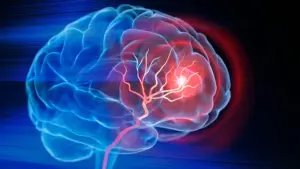
At its core, CTE is a progressive neurodegenerative disease triggered by repeated head impacts. Recent research, including a 2025 study by John et al., highlights how the condition wreaks havoc on specific regions of the brain, particularly the amygdala, hippocampus, and thalamus. These areas are essential for the regulation of emotion, the formation of memories, and the governance of behavior. Furthermore, the frontal lobes—the command center for attention, impulse control, and executive functioning—are frequently compromised, leading to the erratic symptoms often observed in those suffering from the condition.

The urgency of this issue was amplified by a report published in the British Medical Journal in August 2026 by Dr. Daniel Daneshvar and his colleagues. The study revealed that one in four former NFL players who died between 2016 and 2021 showed signs of CTE upon postmortem examination. Perhaps most alarming is the researchers’ assertion that the true prevalence is likely even higher. Because CTE is a progressive disease that often develops silently over many years, its origins can often be traced back to the formative years of high school and collegiate athletics.
Dr. Ann McKee, a leading authority on the disease, has underscored the early onset of these pathologies. Her 2023 research findings were striking, indicating that over 40% of young contact and collision sport athletes in the UNITE Brain Bank exhibited signs of CTE. At the time of that study, the youngest person ever diagnosed with the condition was a mere 17 years old. This data suggests that the damage may be accumulating far earlier in an athlete’s career than previously assumed.
While the link between repetitive head-jarring impacts and CTE is becoming increasingly clear, researchers are also investigating why some athletes succumb to the disease while others do not. A 2025 study by Dong et al. suggests that genetic mutations, similar to those identified in Alzheimer’s disease, may play a role in a person’s susceptibility to the condition. It is possible that a biological predisposition, when triggered by repeated concussive or sub-concussive trauma, sets the stage for neurodegeneration. Regardless of the individual variables, the statistical correlation between frequent head impact and CTE is undeniable, forcing a re-evaluation of safety protocols in sports.
The Challenge of Diagnosis and Treatment
One of the most significant hurdles in addressing CTE is that it cannot be diagnosed in a living person. Because the disease is identified by the presence of specific tau protein clusters within brain tissue, a definitive diagnosis remains restricted to postmortem examination. While advanced imaging studies are being developed to identify brain damage, the unique pathological signature of CTE requires tissue analysis. Researchers are currently striving to find ways to examine living subjects with suspected symptoms to better understand how the disease progresses and, eventually, how to arrest its development.
Despite the lack of a definitive diagnostic tool for the living, medical professionals are becoming more adept at identifying CTE based on clinical symptoms and an athlete’s history of head trauma. While there is no cure for the condition, evidence suggests that therapeutic interventions, including medication and structured lifestyle changes, can help manage symptoms and improve the quality of life for those affected.
The recent British Medical Journal report prompted a significant response from the NFL Players Association, which distributed communication to players emphasizing that symptoms associated with CTE are often treatable. In a message shared by the union, Dr. Daneshvar noted that while a cure remains elusive, there are concrete steps players can take. "We have seen improvements in players who receive care from doctors specializing in neurodegenerative disease and who know how to treat athletes," he stated. "No one should walk away thinking there’s nothing they can do."
Recognizing the signs of the disease is the critical first step toward intervention. Experts like Dr. A. Fesharaki-Zadeh have categorized the condition into four distinct clinical stages, each with its own set of cognitive, emotional, and behavioral indicators. For clinicians, coaches, and family members working with young athletes, maintaining an awareness of these signs is vital.
If a young athlete involved in collision sports displays persistent changes in mood, memory, or behavior, it does not necessarily confirm a diagnosis of CTE, as other developmental or psychological factors may be at play. However, in the realm of neurocognitive health, a proactive approach is essential. Further evaluation by neurological and psychological specialists can provide much-needed clarity and potentially prevent further injury. By identifying issues early, athletes may be able to manage their health more effectively, stalling the progression of symptoms and protecting their long-term cognitive well-being.
As the sports world grapples with this information, the fundamental question remains: how do we balance the passion for athleticism with the preservation of brain health? Helmets and protective gear, while vital, only mitigate a portion of the risk; they cannot prevent the internal jarring of the brain that occurs upon impact. As research continues to uncover the complexities of CTE, the emphasis must shift toward transparency, education, and the prioritization of long-term health over immediate competitive gains.
Disclaimer: The material provided in this article is for informational purposes only and is not intended to diagnose, treat, or prevent any illness. This information should not replace personalized medical care or professional clinical supervision. Readers are encouraged to consult with healthcare providers for concerns regarding individual health or the health of others.