






Speech-Language Pathologists (SLPs) and educators frequently face the complex challenge of addressing vocal health and resonance disorders in children and teenagers. Because these issues can significantly impact a student’s confidence and ability to communicate effectively in diverse environments—ranging from the classroom to the stage—the need for evidence-based, structured intervention has never been greater. A new suite of comprehensive voice and resonance curriculums has been introduced to provide practitioners with a clear, systematic approach to improving vocal quality, projection, and sustainable communication habits.
These newly released resources aim to replace the "reinventing the wheel" approach that often plagues speech therapy planning. By offering structured, evidence-based therapy plans, the curriculums allow clinicians to spend less time on administrative preparation and more time engaging directly with students to foster meaningful, lasting progress in their speech development.
Foundations of Healthy Voice Use
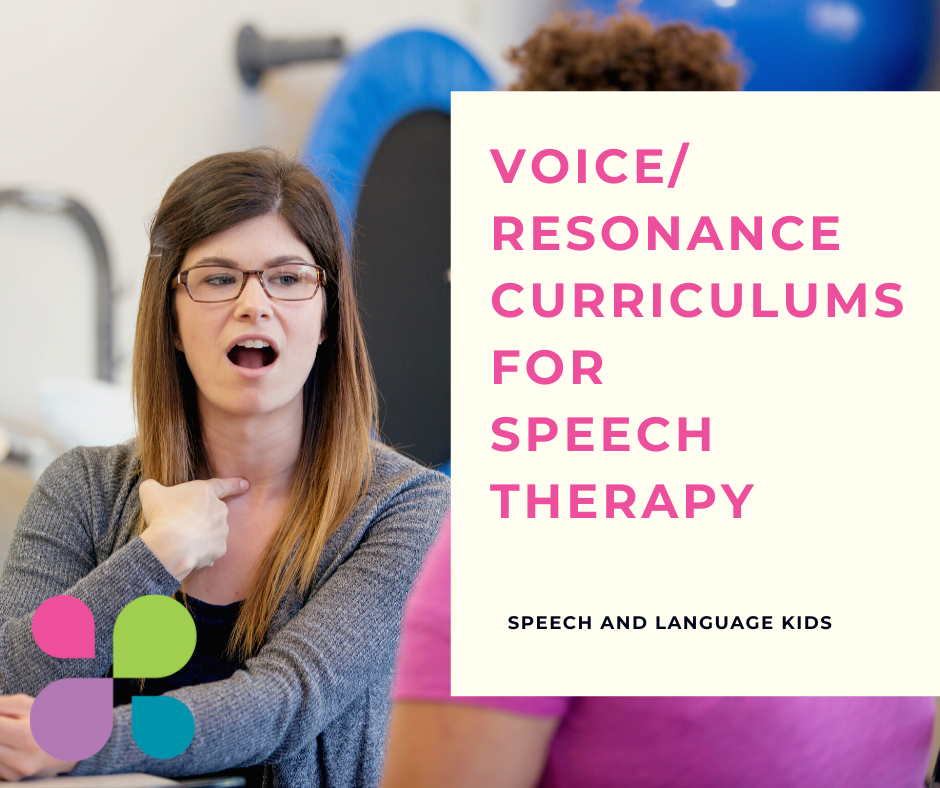
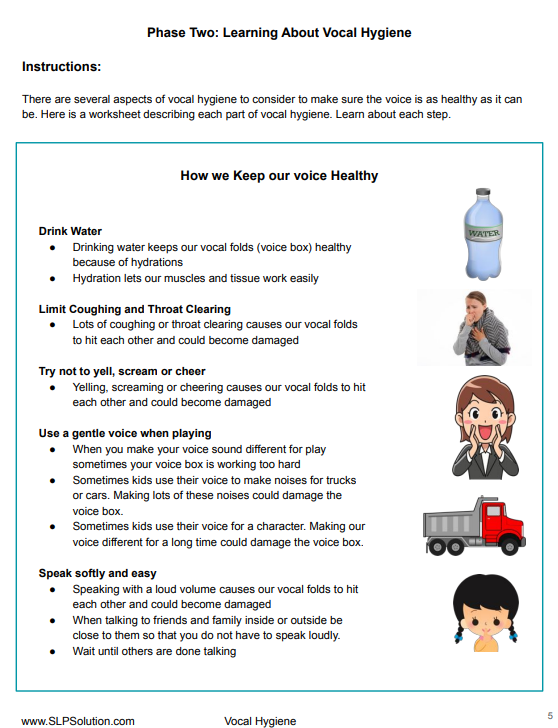
At the core of these new offerings is the "Foundations of Healthy Voice Use" curriculum. This program is designed as an accessible, step-by-step guide to help children and teens develop habits that protect their vocal cords while enhancing their ability to communicate with clarity and confidence. The curriculum is built upon three distinct levels, each targeting a different stage of development.

The beginner level focuses on vocal hygiene and the prevention of strain, a critical starting point for children aged five to twelve. By addressing the mechanics of how a child uses their voice before negative habits become deeply ingrained, therapists can help students avoid future complications. As students progress into the intermediate level, the focus shifts to breath control and support, typically for those aged six to fourteen. This stage is essential for building the physical stamina required for sustained speaking. Finally, the advanced level is geared toward adolescents and young adults, emphasizing self-monitoring and the carryover of these learned strategies into real-world, everyday interactions.

Addressing Resonance and Nasality
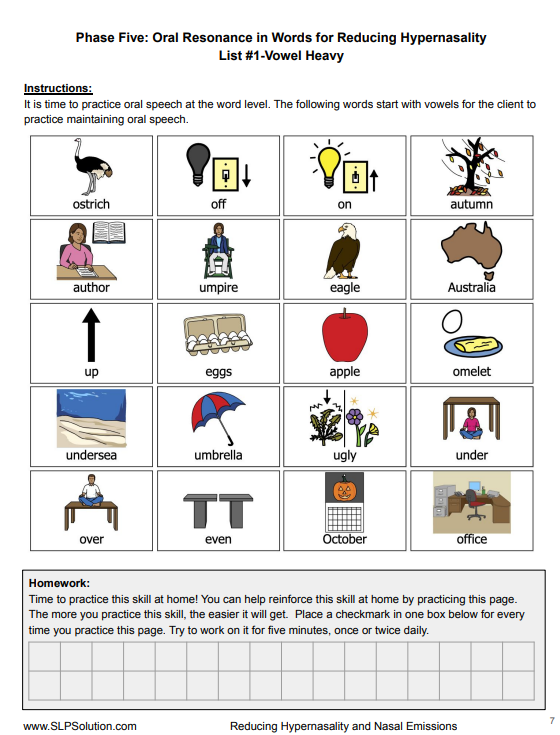
Beyond general vocal health, the new suite includes a specialized curriculum focused on resonance and nasality. This program is tailored for children and teenagers who experience challenges with balanced resonance, which can manifest as either hypernasality or hyponasality. By providing a structured roadmap to improve overall voice quality, the curriculum guides students through the complexities of controlling airflow and oral resonance.
The progression for this curriculum begins with a focus on awareness and discrimination for children as young as five. Developing the ability to hear the difference between balanced and imbalanced resonance is a foundational skill. Once this awareness is established, the intermediate level introduces the use of oral resonance within structured speech tasks, helping students bridge the gap between abstract awareness and practical application. The advanced level completes the process by focusing on the generalization and carryover of these skills into spontaneous, everyday conversation, ensuring that the student can maintain clear speech outside of the therapy room.
Specialized Voice and Prosody Training
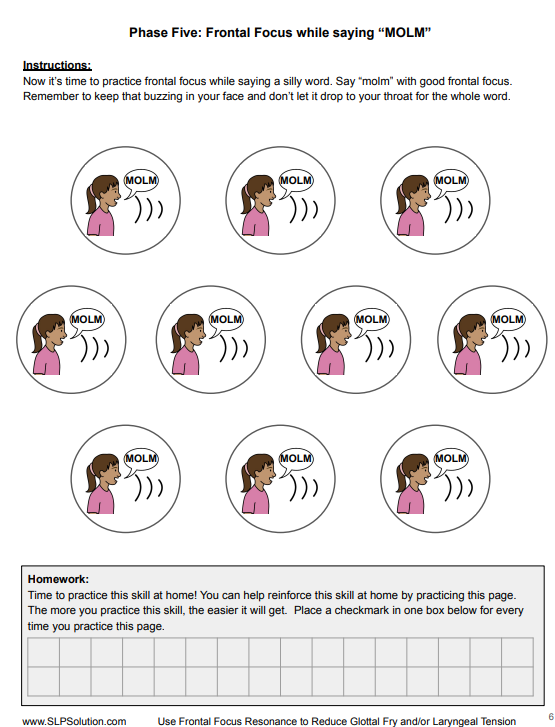
In addition to the foundations and resonance programs, the initiative provides targeted curriculums for general voice improvement and prosody. The general voice curriculum is an evidence-based framework for addressing voice disorders by teaching children and teens how to achieve efficient, healthy vocal production. This program follows a similar three-tiered structure, starting with the reduction of vocal strain and tension for children aged five to ten, moving toward the refinement of vocal quality for those aged ten to fourteen, and culminating in the mastery of pitch, loudness, and vocal endurance for older students and young adults.
The prosody curriculum addresses the "musicality" of speech—the rhythm, stress, and intonation that make communication natural and engaging. For many children, speech may be clear in terms of articulation, but lack the expressive qualities that convey emotion and meaning. This curriculum begins with basic prosody awareness in sounds for children aged four to six, advances to using expected prosodic patterns in structured speech for children aged five to eight, and concludes with the generalization of these skills in conversation for those aged seven to ten. By mastering these elements, students learn how to make their speech more expressive, clear, and ultimately more impactful.
The Professional Impact of Structured Planning
The development of these curriculums reflects a broader shift in the field of speech-language pathology toward standardized, yet adaptable, therapy planning. Every child’s communication journey is inherently unique, but the underlying mechanisms of vocal production and prosody are universal. By utilizing a structured framework, clinicians can provide a consistent standard of care that ensures no critical step in the learning process is overlooked.
The implications for student outcomes are significant. When a child has a clear, evidence-based plan to follow, they often experience faster progress and a greater sense of autonomy. This improvement in communication—the ability to speak clearly, comfortably, and with pride—can have a profound impact on a student’s social, academic, and emotional well-being. As these students gain control over their voices, they often find the confidence to participate more fully in their school communities and extracurricular activities.
For the Speech-Language Pathologist, these resources serve as a comprehensive toolkit. By covering major areas of communication from the first session through to mastery, the curriculums reduce the administrative burden on practitioners. This efficiency is vital in high-caseload environments where time is a limited commodity. With the heavy lifting of lesson planning handled by these structured programs, therapists can dedicate their energy to the nuanced, human-centered work of mentoring and coaching their students.
The launch of these materials also includes multimedia support, such as podcasts and video demonstrations, to assist clinicians in implementing the strategies effectively. These resources ensure that therapists are not only provided with the "what" and the "how" of the curriculum but also the clinical reasoning and context necessary to adapt the programs for individual student needs. As practitioners integrate these tools into their practice, the ultimate goal remains the same: to empower children and teens to express themselves with clarity and to navigate their worlds with the confidence that comes from a healthy, well-supported voice. By standardizing the approach to vocal health, the field of speech therapy continues to evolve, ensuring that every student has the best possible opportunity to find and project their own voice.