







For speech-language pathologists, educators, and parents, the challenge of supporting children who struggle with communication disfluencies—such as stuttering, cluttering, or word-retrieval difficulties—often lies in the complexity of creating individualized therapy plans. The process of tracking progress while ensuring each lesson is age-appropriate and effective can be an immense administrative burden. To address this, a new suite of comprehensive, structured fluency curriculums has been introduced, offering a clear, organized framework designed to help children and teens develop the essential tools for effective and confident communication.
These new programs are built on the philosophy that children do not need to navigate their speech journey alone. By providing a clear roadmap for therapy, these resources aim to remove the guesswork often associated with speech interventions, allowing clinicians to focus their energy on the individual needs of their students rather than the logistical planning of every session. Whether a child is navigating the social pressures of a classroom, interacting with peers, or participating in community events, these curriculums provide practical, real-world strategies intended to foster comfort, confidence, and a greater sense of control over their speaking situations.
Foundations for Fluency: Breathing and Emotional Regulation
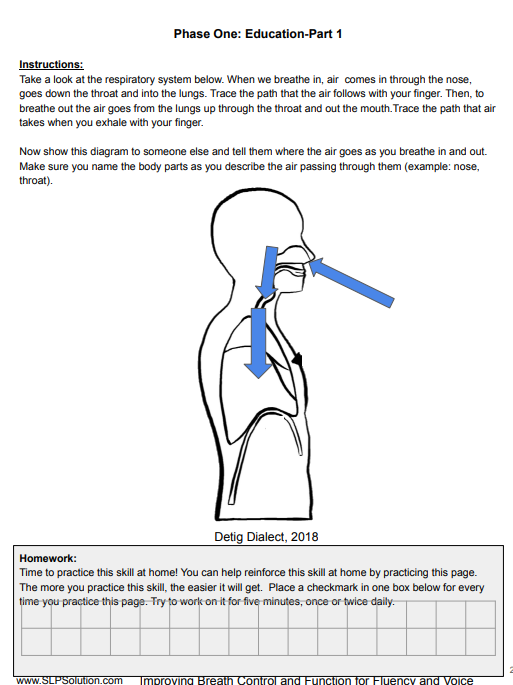
One of the most critical aspects of addressing speech disfluencies is managing the physical and emotional reactions associated with speaking. The "Foundations for Fluency" curriculum is a structured program that focuses on the physiological and psychological precursors to fluent speech. It is designed to help children and teens coordinate their breath with their speech, increase their awareness of moments of disfluency, and manage the emotional responses that often accompany a stutter.

The program utilizes a three-level approach to guide students through this process. The beginner level, aimed at children ages 5 to 8, emphasizes the coordination of breath and speech. As students progress to the intermediate level, typically suited for those aged 7 to 10, the focus shifts toward managing the emotional reactions that arise from fluency struggles. Finally, the advanced level, designed for students aged 10 to 15, concentrates on self-monitoring and the carryover of fluency strategies into everyday life. While these age ranges provide a benchmark for when children typically master these skills, the curriculum is flexible enough to support older teenagers who may still be working to solidify these foundations.

A Dedicated Stuttering Curriculum
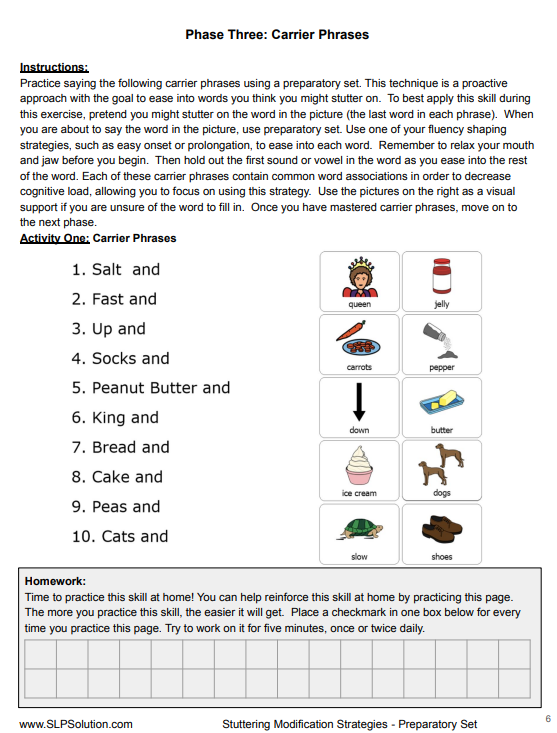
For many clinicians, the sheer variety of approaches to stuttering therapy—ranging from indirect methods for young children to modification techniques for older students—can be overwhelming. The dedicated Stuttering Curriculum seeks to streamline this by providing a comprehensive, easy-to-follow guide that equips clinicians with ready-to-use materials.
This curriculum is segmented into three distinct levels that cater to different developmental stages. The beginner level focuses on indirect therapy for young children, typically aged 2 to 6, which emphasizes creating a supportive environment for communication. The intermediate level, designed for children aged 4 to 8, introduces specific fluency shaping techniques. For older students aged 7 to 10 and beyond, the advanced level transitions into stuttering modification techniques, which provide students with the agency to manage their speech patterns consciously. By standardizing these phases, the curriculum ensures that clinicians can plan sessions that are both effective and confidence-building.
Addressing Cluttering and Word-Retrieval Challenges
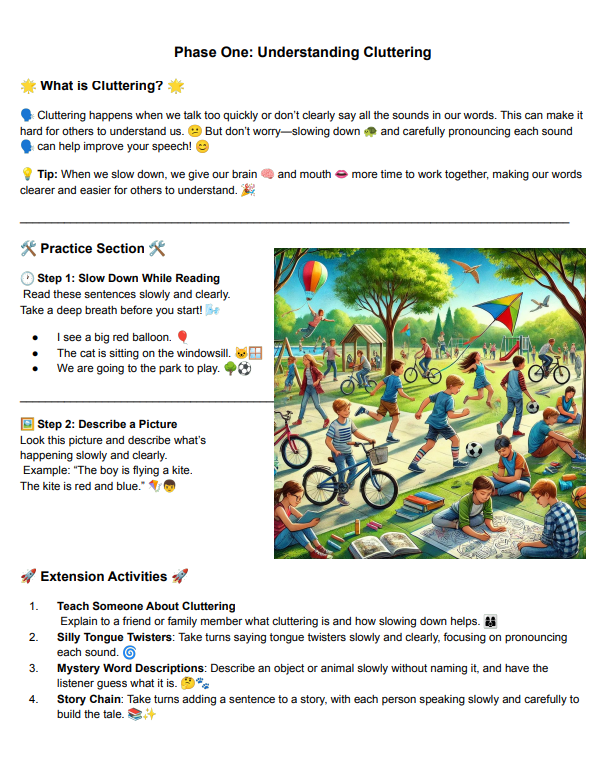
Beyond traditional stuttering, the new suite of resources also addresses the complexities of cluttering and word-finding difficulties. Cluttering, often characterized by a rapid or irregular speech rate that impacts clarity, requires a different therapeutic focus than stuttering. The Cluttering Curriculum provides a systematic, step-by-step program designed to help children and teens develop clearer, more organized speech.
The curriculum is structured across three levels of difficulty. The beginner level targets children aged 7 to 10, teaching specific strategies for slowing down speech and improving clarity. As students move through the intermediate level, intended for ages 9 to 12, they work on increasing their mastery of these strategies. The advanced level, for those aged 10 to 12 and beyond, focuses on correcting intelligibility issues within spontaneous conversation.
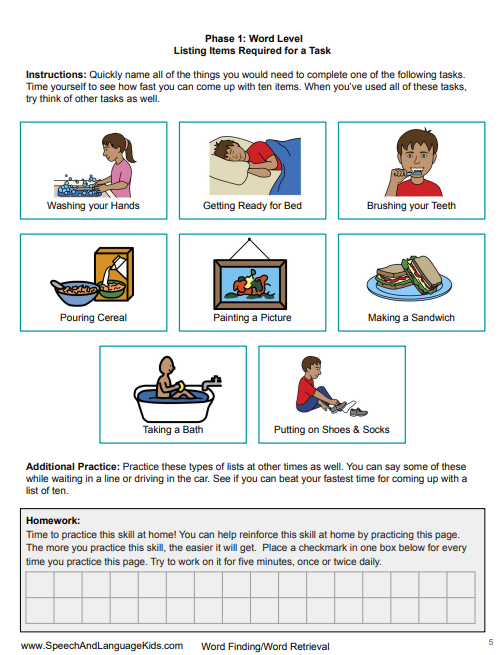
Similarly, the Word Finding and Word Retrieval Curriculum offers a structured approach for students who struggle with the cognitive process of accessing vocabulary. By utilizing both semantic and phonological strategies, the program helps students improve their communication speed, accuracy, and overall confidence. The curriculum moves from basic semantic strategies for younger children aged 4 to 7, to phonological strategies for ages 4 to 8, and concludes with advanced conversational strategies for children aged 6 to 10.
Enhancing Therapy Outcomes Through Structural Support
The core motivation behind these curriculums is the recognition that when a clinician has a clear, organized plan, the children they support tend to make faster progress. The modern landscape of speech-language pathology is demanding, and the ability to reduce time spent on planning allows for a more meaningful connection between the therapist and the student.
By offering a consistent framework for every major area of communication—including speech sounds and fluency—these resources aim to change the way therapy is delivered. When children and teens are equipped with the right tools, their ability to speak freely and feel understood is significantly enhanced. This, in turn, can have a profound impact on their social, academic, and emotional well-being.
The accessibility of these materials is a key feature for busy professionals. The curriculums are designed for immediate implementation, with a focus on usability and effectiveness. For those looking to dive deeper into the methodology, additional resources, including educational podcasts and video previews, provide further insight into how these frameworks can be applied in various therapeutic settings.
Ultimately, these programs acknowledge that every child’s journey toward communication fluency is unique. While no two students are the same, the use of a structured, evidence-informed curriculum provides the stability needed to ensure that no child falls through the gaps. By providing the tools to navigate speech challenges with confidence, these curriculums aim to ensure that children not only find their voice but feel empowered to use it in any setting they encounter. As more clinicians integrate these structured plans into their practices, the potential for positive outcomes for children struggling with communication disorders continues to grow, marking a significant step forward in the field of speech therapy.