










For many speech-language pathologists (SLPs), the daily reality of clinical practice is often characterized by a frantic search for resources. Between balancing caseloads, documenting progress, and meeting administrative requirements, clinicians frequently find themselves cobbling together therapy sessions from a fragmented collection of digital downloads and disparate materials. This process—often relying on piecemeal resources sourced from third-party marketplaces like Teachers Pay Teachers—can be time-consuming, disjointed, and ultimately detrimental to the continuity of patient care.
However, a shift is currently underway within the field as practitioners seek a more cohesive approach to intervention. Speech and Language Kids (SLK) has emerged as a significant force in this space, championing a move away from the "patchwork" method of therapy toward a more systematic, curriculum-based model. By providing organized, step-by-step therapy plans, the organization is aiming to fundamentally alter how communication skills are taught, making the process not only more efficient for the clinician but significantly more effective for the students and clients they serve.
The challenges facing modern SLPs are multifaceted. In a clinical environment where time is an incredibly scarce commodity, the pressure to demonstrate measurable outcomes while managing high-volume caseloads can lead to professional burnout. When an SLP spends hours each week hunting for a specific worksheet or activity to address a single goal, that is time taken away from direct patient interaction or the critical reflection required for high-quality clinical decision-making. The reliance on individual, unvetted resources can also create gaps in a treatment plan, where the lack of a cohesive "big picture" strategy makes it difficult to track progress longitudinally.
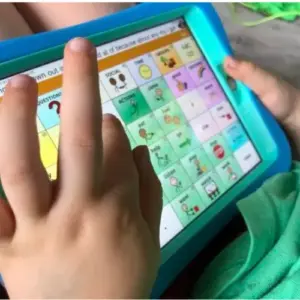
The philosophy behind the SLK Curriculum is rooted in the belief that structured, scaffolded instruction is the cornerstone of successful therapy. By moving toward a standardized yet adaptable framework, SLPs can ensure that every session is part of a larger, intentional sequence of skill-building. This approach helps clinicians focus their expertise on the nuances of a child’s specific needs, rather than the logistics of finding materials. The result is a therapy environment that feels more intentional, organized, and focused on long-term growth rather than short-term task completion.
The impact of this approach is already being felt by thousands of practitioners. Through its structured programs and the cultivation of a supportive professional community, Speech and Language Kids has fostered a shift in how SLPs view their professional roles. By reducing the administrative and preparatory burden, these programs allow clinicians to rediscover the passion for their work, focusing on the transformative power of their intervention rather than the stress of resource management. This shift is vital for the long-term sustainability of the profession, as reducing burnout is a primary concern for the speech-language pathology field at large.
The success of these programs is not merely anecdotal; it represents a broader movement toward evidence-based, systemic thinking in allied health. By standardizing the framework of therapy, clinicians can more easily identify what works and why, contributing to a more robust understanding of clinical outcomes. This structured methodology enables therapists to move past the uncertainty of "what to do next" and into a space where they can implement complex, evidence-based strategies with confidence and consistency.
However, the team at Speech and Language Kids views this as only the beginning. Innovation remains a primary objective, with an ongoing commitment to developing new programs that evolve alongside the changing needs of the field. As technology advances and our understanding of communication development deepens, the requirements for clinical resources are also shifting. The organization’s focus is on anticipating these changes, ensuring that both the clinicians and the clients they support are equipped with the most modern, effective tools available.
This commitment to innovation is reflected in the active development of new modules and support systems designed to address the unique challenges of different clinical settings—from school-based practices to private clinics and telehealth environments. By listening to the feedback of the thousands of SLPs within their network, the developers behind these programs are able to iterate and refine their offerings, ensuring that the curriculum remains relevant, accessible, and deeply practical.
The broader mission is nothing less than building the future of speech-language pathology. This vision involves a transition toward a more integrated professional landscape where high-quality, structured support is the standard rather than the exception. By fostering a community where practitioners can share insights, troubleshoot common hurdles, and support one another in the application of these structured programs, Speech and Language Kids is helping to create a more resilient and collaborative workforce.
For many professionals in the field, this represents a welcome departure from the isolation often associated with private or school-based practice. When clinicians have access to a common language and a shared set of tools, the entire field benefits. The ability to exchange ideas within a community that is grounded in a specific, successful methodology allows for faster professional development and more rapid dissemination of best practices.
As the field of speech-language pathology continues to grow and adapt to the complexities of modern healthcare, the demand for high-quality, organized, and effective resources will only increase. The move toward curriculum-based therapy is not just a trend; it is a fundamental shift in how the profession approaches its duty to provide care. By streamlining the "how" of therapy, SLPs can dedicate more of their energy to the "who"—the children and families who rely on their expertise to find their voices.
This movement is inviting practitioners across the globe to reconsider their traditional workflows and join a growing cohort of professionals who are choosing to prioritize structure and efficiency. The goal is to move the profession toward a more sustainable model where the clinician is empowered, the therapy is data-driven and cohesive, and the outcomes for the clients are consistently improved. The work currently being done by Speech and Language Kids is a testament to the fact that when the right resources meet a dedicated and supported community of professionals, the possibilities for positive change in the lives of children with communication needs are nearly limitless.
Looking toward the future, the integration of technology, clinical expertise, and a community-driven approach will likely remain the gold standard for therapeutic progress. By continuing to build upon this foundation, the organization aims to keep pace with the evolving demands of the profession, ensuring that every SLP has the support they need to provide the best possible care. For those who have spent years navigating the fragmented landscape of therapy resources, this movement offers a clearer, more effective, and ultimately more rewarding path forward in their clinical practice. It is a call to action for the profession to unite under a model that values consistency, efficacy, and the collective expertise of those on the front lines of speech and language development.