







In a development that could reshape the treatment landscape for some of the world’s most challenging neurological and psychiatric disorders, researchers at the University of Birmingham have identified a critical mechanism driving neuroinflammation. By targeting a specific receptor known as P2X7, the team successfully demonstrated a method to significantly reduce harmful inflammation in human brain tissue. Because the P2X7 receptor is already a known target for existing pharmacological agents, this discovery opens a viable, accelerated pathway toward repurposing current drugs to combat brain-related conditions that have historically proven difficult to treat.
The research, recently published in the journal Brain, represents a collaborative effort led by Professor Nicholas Barnes. For decades, the medical community has recognized that inflammation is not merely a symptom of brain disease, but a primary driver of tissue damage in conditions ranging from Alzheimer’s and Parkinson’s to traumatic brain injury (TBI) and psychiatric disorders like depression and psychosis. Until now, however, effectively modulating this inflammatory response without causing systemic side effects has remained an elusive goal.
Blocking a Key Driver of Brain Inflammation
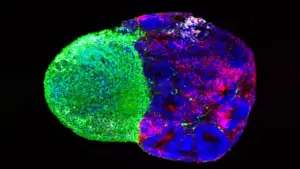
To unravel the complexities of the brain’s inflammatory signaling, Professor Barnes and his team conducted a series of sophisticated experiments using both live cultures of human brain cells and actual slices of brain tissue harvested during clinical neurosurgical procedures. The central focus of their investigation was the P2X7 receptor, a protein known to play a pivotal role in the inflammatory cascade.
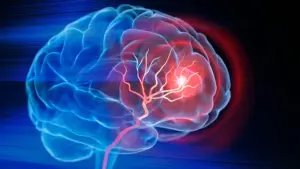
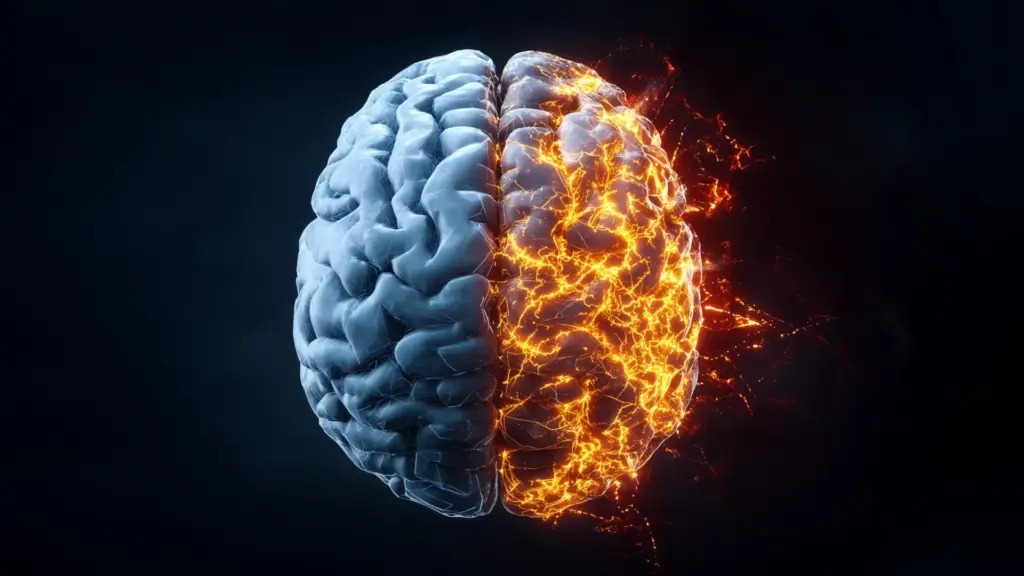
The researchers discovered that when the P2X7 receptor is activated, it acts as a catalyst for the release of cytokines. Cytokines are powerful, specialized proteins that function as chemical messengers, orchestrating the body’s inflammatory response. While inflammation is a necessary defensive mechanism in a healthy immune system, chronic or excessive cytokine release in the brain—a condition known as neuroinflammation—is profoundly damaging. It creates a toxic environment that leads to the death of neurons and the degradation of healthy brain matter.
By applying a specific antagonist—a substance designed to block the receptor’s activity—the team observed a dramatic decline in the inflammatory response within the human tissue samples. This finding is significant because it suggests that by simply "turning off" or inhibiting the P2X7 receptor, clinicians might be able to halt the cycle of damage that perpetuates neurodegenerative diseases.
"This exciting discovery marks a major step toward repurposing existing therapeutics to combat neuroinflammation at its source," Professor Barnes noted. "The identification of this receptor could have far-reaching implications for some of the most debilitating and widespread brain disorders such as Alzheimer’s disease, Parkinson’s, and multiple sclerosis, or inflammation-linked psychiatric conditions like schizophrenia and depression."
Studying the Brain’s Immune Cells
The complexity of the human brain has long hindered research into neuroinflammation. A primary challenge has been the study of microglia, the brain’s resident immune cells. Microglia are essential for maintaining brain health; they act as sentinels, patrolling the nervous system for damage or infection and coordinating the brain’s immune response. When the brain experiences injury or chronic disease, microglia can become overactive, shifting from a protective role to a destructive one, releasing inflammatory signals that contribute to further pathology.
The difficulty in studying these cells lies in their fragility. Once microglia are removed from the specific, nutrient-rich environment of the human brain, they lose their defining characteristics and cease to behave in a way that accurately mirrors human pathology. This loss of phenotype has historically forced researchers to rely on animal models, which, while useful, often fail to replicate the nuances of human neurological disease.
To overcome this, the University of Birmingham team pioneered a new methodology. They developed a process to convert peripheral monocytes—a type of white blood cell found in the human circulatory system—into microglia-like cells. This conversion process is particularly notable because it mirrors a biological transformation that has recently been observed to occur naturally within the human brain during the aging process.
By utilizing these monocyte-derived microglia, the researchers created a scalable, virtually unlimited platform for investigating human microglial biology with unprecedented precision. "Studying human microglia has long been a major challenge," explained Professor Barnes. "Once removed from their native brain environment, they rapidly lose their defining characteristics, likely due to the absence of critical regulatory signals. Our approach involved the use of monocyte-derived microglia, which provide a powerful, scalable, and virtually unlimited platform for studying human microglial biology with unprecedented precision."
Using this platform, the researchers were able to observe the cells in real-time as they reacted to inflammatory stimuli. They found that as these microglia became damaged or approached cell death, they released specific signals that triggered the P2X7 receptor. By introducing the P2X7 antagonist, the team was able to effectively intervene in this signaling pathway, preventing the cells from initiating the harmful, self-perpetuating cycle of inflammation.
From Lab Models to Human Brain Tissue
The strength of the research lies in its transition from the synthetic platform to human biology. After confirming that the P2X7 antagonist could effectively inhibit the inflammatory response in the laboratory-grown microglia-like cells, the researchers sought to validate these results in human brain tissue obtained during neurosurgical operations.
The translation of these findings into actual human brain tissue was a critical benchmark. The consistency of the results across both the engineered models and the surgically harvested tissue provides robust evidence that the P2X7 receptor is indeed a viable therapeutic target. For patients suffering from neurodegenerative diseases or those who have sustained traumatic brain injuries, the lack of effective pharmacological interventions is a constant source of frustration. Current treatments often only manage symptoms rather than addressing the underlying inflammatory mechanism that causes progressive loss of function.
The success of these initial trials provides the necessary impetus to move toward the next stage of medical research: clinical development. Professor Barnes expressed optimism about the path forward, noting that the ability to utilize existing drugs—already proven safe for other applications—could significantly shorten the timeline for bringing a treatment to the patients who need it most.
"Having identified the response in the human monocyte-derived microglia, this provided the impetus to translate these findings with human brain obtained following neurosurgical procedures," said Professor Barnes. "This successful translation means the next stage for this research is the development of clinical trials in patients with neurodegenerative conditions and patients with TBI, where there are no effective pharmacological treatments to reduce the neuroinflammation and arising damage."
As the scientific community looks toward the future, the work conducted at the University of Birmingham highlights the growing importance of the intersection between immunology and neurology. By shifting the focus toward the P2X7 receptor, researchers have uncovered a potential "master switch" for neuroinflammation. While the transition from bench to bedside is always a complex and rigorous process, the repurposing of existing drugs offers a tangible glimmer of hope for patients currently living with the devastating effects of brain injury and degenerative disease. The team’s focus now shifts to the meticulous planning and execution of clinical trials that will ultimately determine if this breakthrough can deliver the transformative change that the field of neurology so desperately requires.