






Why do certain skills seem to take root in our muscle memory almost instantly, while others remain elusive, frustratingly out of reach despite hours of repetitive practice? For decades, the conventional wisdom focused on individual talent, the intensity of focus, or the sheer volume of practice hours. However, emerging research from Tohoku University suggests that the secret to mastering a new skill may lie not just in the brain’s cognitive effort, but in the physiological state of the body during the crucial hours following a training session.
A groundbreaking study published in the journal iScience on August 25, 2026, provides evidence that the body’s internal organs play a far more active role in cementing long-term learning than previously understood. By leveraging the vagus nerve—a primary communication highway between the body and the brain—researchers have demonstrated that targeted stimulation can significantly strengthen the retention of motor skills, effectively unlocking a latent capacity for learning that exists within our biology.
The Vagus Nerve as a Learning Catalyst
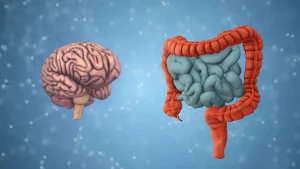
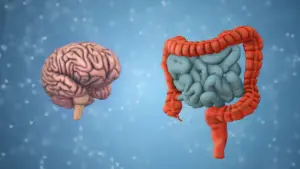
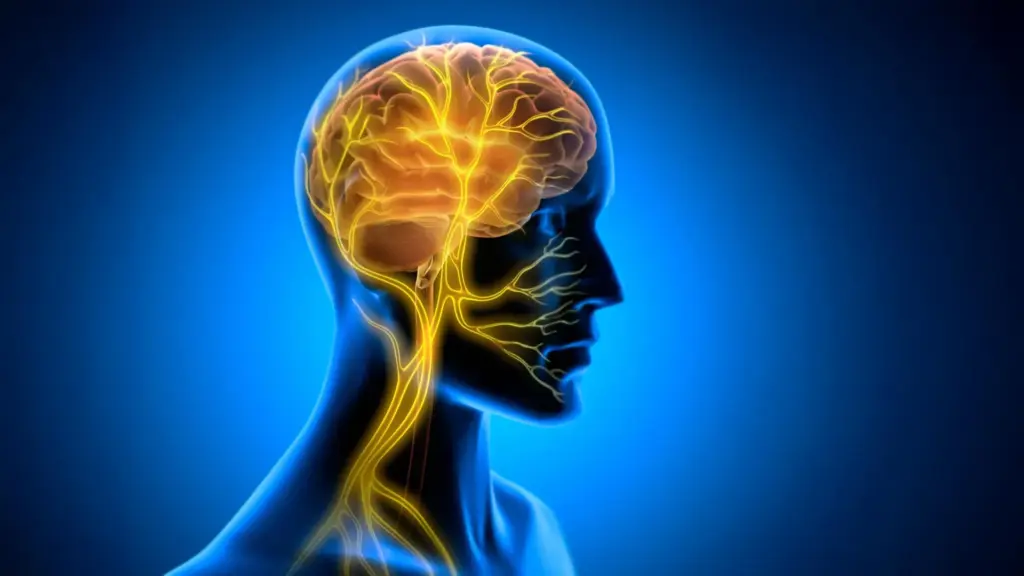
The vagus nerve is one of the most critical components of the human nervous system. Often described as a biological "information superhighway," it facilitates bidirectional communication between the brain and the body’s visceral organs, including the heart, lungs, and digestive tract. While the brain sends commands to these organs to regulate essential functions, the organs also transmit a constant stream of sensory data back to the brain.

Scientists have long recognized the therapeutic potential of this pathway. Vagus Nerve Stimulation (VNS)—a clinical technique that uses mild electrical impulses to modulate the activity of the vagus nerve—is already an approved treatment for several medical conditions, including certain forms of epilepsy and treatment-resistant depression. Historically, research into VNS has focused on its capacity to act as a form of neuromodulation, altering the release of neurotransmitters to balance brain chemistry.
However, the team at Tohoku University, which specializes in super-network brain physiology, hypothesized that the mechanism behind VNS might be more complex than mere chemical adjustment. They suspected that VNS might be influencing the very physical environment of the brain, specifically the flow of blood, to create a window of opportunity for memory consolidation.
Testing the Limits of Motor Learning
To explore this hypothesis, the research team developed a specialized experimental model using mice. They implanted a small, customized cuff electrode onto the left cervical vagus nerve. This allowed them to precisely deliver electrical stimulation while the subjects engaged in a specific motor task: the horizontal optokinetic response (HOKR).
The HOKR is a cerebellum-dependent eye movement task that requires subjects to track moving visual stripes. It is a fundamental reflexive behavior, analogous to the automatic eye movements a human makes while standing on a stationary platform and watching a high-speed train pass by. By observing how well the mice learned to improve their tracking accuracy in response to these visual stimuli, the researchers could measure the efficacy of their learning process.
The experiment was carefully designed to isolate the timing of the intervention. Rather than delivering stimulation while the mice were actively learning, the researchers applied VNS only after the training sessions were completed. This distinction proved to be the pivotal finding of the study.
The "Hidden Window" of Opportunity
The results of the experiment were striking. During the actual training phase, the mice that received VNS performed no differently than those that did not. There was no immediate "performance boost" or artificial acceleration of the learning process while the task was being performed. However, the true impact of the stimulation became apparent in the days that followed.
On subsequent days, the mice that had received post-training VNS demonstrated significantly stronger long-term learning outcomes compared to their counterparts. This divergence indicates that VNS does not necessarily make the learning process easier in the moment; instead, it influences the biological processes that occur after practice—the vital period when the brain transitions from temporary acquisition to durable, long-term memory.
Professor Ko Matsui, a key researcher on the project, emphasized the importance of this temporal gap. "The key point is that VNS was delivered only after training," Matsui explained. "Our findings suggest that VNS may open a hidden window of opportunity for enhanced learning by making the brain environment more receptive to long-lasting change." This suggests that the brain enters a state of high plasticity following a training session, and the vagus nerve acts as a regulator for this "consolidation" phase.
Vascular Rhythms and Brain Metabolism
Seeking to uncover the physiological explanation for this enhanced learning, the team utilized fiber photometry to observe the internal activity of the brain, specifically near the cerebellar flocculus—the region of the cerebellum primarily responsible for HOKR learning.
The researchers discovered that a single round of VNS triggered a distinct, two-phase vascular response. Initially, the local blood volume in the area briefly decreased, only to rise again after a short delay. When the stimulation was repeated, these fluctuations stabilized into rhythmic oscillations of blood volume.
Crucially, these vascular rhythms were directly correlated with the success of the learning. The mice that exhibited the most robust and consistent blood volume oscillations were the ones that showed the greatest improvement in their HOKR performance by the fifth day of the experiment. This suggests that the vagus nerve is not just sending signals to neurons, but is actively tuning the brain’s metabolic environment. By manipulating the vascular flow, the body may be providing the necessary oxygen and nutrients—or removing metabolic waste—at exactly the right frequency to lock in new neural connections.
The Body-Brain Connection
The implications of these findings extend far beyond the laboratory. Lead author Junyu Chen noted that the study highlights a profound, often overlooked dependency: "Our brains may be more strongly influenced by the body than we imagine. By tuning the brain’s metabolic environment, including rhythmic vascular movements, we may eventually unlock capacities that would otherwise remain latent."
If the brain is indeed sensitive to the rhythmic, internal signals sent from the body via the vagus nerve, it implies that the biological state of our organs during and after learning is just as critical as the cognitive effort we expend. This challenges the traditional "brain-centric" view of learning, suggesting that physical health and physiological regulation are not just supportive roles, but active participants in the neuroplasticity required for skill acquisition.
Looking ahead, the team at Tohoku University plans to further refine these stimulation protocols. The goal is to gain a deeper, more granular understanding of how the brain-body communication pathway supports long-term plasticity. Scientists hope that by mapping this two-way conversation, they can develop more effective ways to help the brain consolidate information, potentially offering new avenues for rehabilitation after injury or for enhancing learning in educational and professional settings.
As research continues, the focus will remain on the precision of the timing and the exact nature of the vascular changes induced by the vagus nerve. By deciphering how the body signals the brain to "save" new information, researchers are moving closer to a future where the barriers to learning may be lowered by simply tapping into the body’s own natural regulatory systems. For now, the study provides a compelling reminder that the mind does not work in isolation; it is constantly engaged in a rhythmic, physical dialogue with the body, a conversation that may be the final key to unlocking our true potential for growth.