








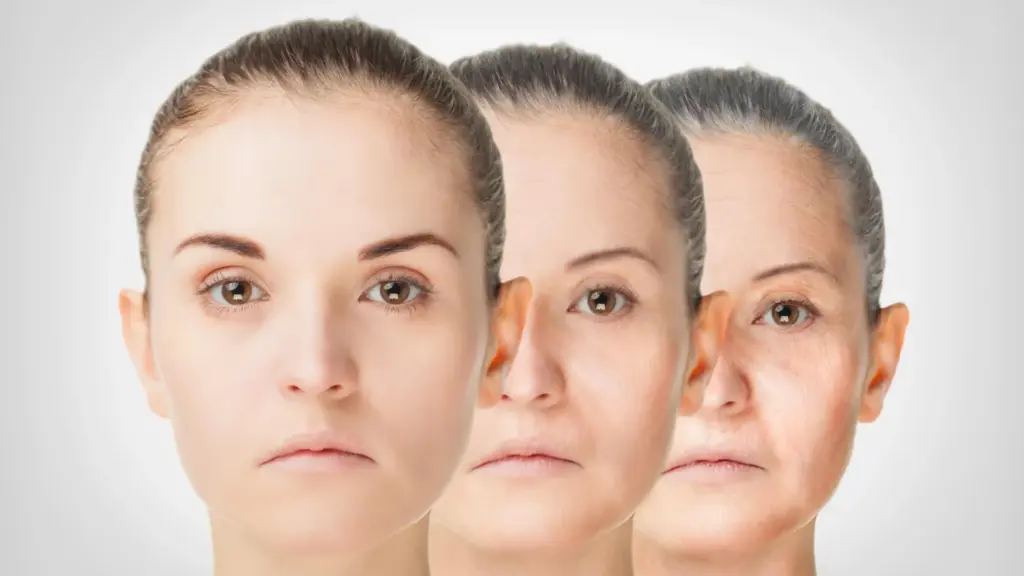
What if the decline we associate with aging—the creeping forgetfulness, the loss of muscle tone, the thinning skin, and the loss of vitality—is not an inevitable, uniform decay of every cell in our bodies, but rather the result of a "broken clock" deep within the brain? This is the provocative question at the heart of recent scientific breakthroughs that have identified a single protein as a potential master regulator of the aging process.
New research has unveiled that the loss of a protein known as Menin, located in a small but critical region of the brain, acts as a pivotal trigger for age-related deterioration. When scientists experimentally restored this protein in aging mice, they observed a remarkable phenomenon: the animals regained physical and cognitive function in just 30 days. Even more striking was the discovery that a simple, naturally occurring amino acid could replicate some of these anti-aging effects on the brain, raising the tantalizing possibility that we might eventually learn to modify the biological processes that dictate how we age.
A Hidden Controller in the Hypothalamus
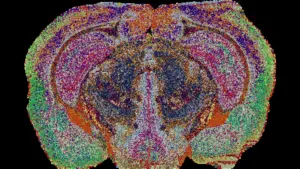
The discovery, first detailed in a March 2023 study published in PLOS Biology by a team led by Lige Leng of Xiamen University, centers on the hypothalamus. This small, almond-sized structure at the base of the brain is often referred to as the body’s command center. It acts as a bridge between the nervous system and the endocrine system, regulating essential life-sustaining functions including body temperature, hunger, thirst, sleep, metabolism, and the production of hormones. Because the hypothalamus exerts such a profound influence on almost every organ system, even minor disruptions in its function can have cascading effects throughout the entire body.

For years, researchers have suspected that the hypothalamus plays an outsized role in the aging process. A key driver of this decline is thought to be neuroinflammation—the brain’s chronic inflammatory response. While inflammation is a vital defensive mechanism against infection and injury, when it becomes persistent and low-grade, it begins to interfere with healthy cellular function. This state of constant, "smoldering" inflammation is widely believed to be a major contributor to age-related frailty and disease.
In their earlier work, Dr. Leng and his colleagues identified Menin as a vital guardian protein that helps keep this neuroinflammation in check. Beyond its anti-inflammatory role, Menin is a multifaceted protein that regulates gene expression, essentially acting as a switch that allows cells to manage complex biological pathways. The team’s primary question was simple yet profound: what happens when this protective protein begins to fade as we grow older?
The researchers discovered that Menin levels do not remain constant throughout life. In certain hypothalamic neurons, Menin levels gradually decline as mice age. Curiously, this depletion was not found in other essential brain support cells, such as astrocytes or microglia, suggesting that the loss is specific to the neurons responsible for regulating systemic health. To determine if this decline was a mere byproduct of aging or a primary driver, the researchers created genetically modified mice in which Menin could be selectively disabled.
The results were dramatic. Mice lacking sufficient Menin developed systemic signs of aging far more rapidly than their counterparts. They experienced increased hypothalamic inflammation, thinning skin, significant loss of bone mass, and a sharp decline in cognitive performance. Perhaps most significantly, their lifespans were shortened. This confirmed that the loss of Menin was not just a symptom of getting older, but a mechanism that actively propelled the aging process forward.
Reversing the Clock: The 30-Day Transformation
Having established that the loss of Menin drives aging, the research team pivoted to a more ambitious question: if the protein is the cause, can its restoration be the cure?
Using advanced gene delivery techniques, the scientists artificially increased Menin production within the ventromedial hypothalamus—the specific sub-region responsible for coordinating metabolism and energy balance—in 20-month-old mice. The results were nothing short of remarkable. Within just 30 days of the intervention, the mice exhibited a measurable reversal of their physical and cognitive decline. Their skin regained thickness, their bone density improved, and they demonstrated newfound agility and sharpness in tests of learning and memory. Furthermore, the mice showed reduced levels of systemic inflammation and improved metabolic markers. In survival studies, the treated mice lived significantly longer than the untreated control group, suggesting that by "fixing" this specific hub in the brain, the researchers had effectively hit the brakes on the aging process.
The D-Serine Connection
While the success of the Menin restoration was clear, the researchers sought to understand the biochemical mechanism behind these changes. They discovered that when Menin levels dropped, there was a corresponding, sharp decrease in the concentration of D-serine, an amino acid essential for brain signaling.
Unlike the common L-serine found in many foods, D-serine acts as a co-agonist for NMDA receptors, which are proteins on the surface of nerve cells that are critical for communication, memory formation, and learning. The research revealed that Menin regulates an enzyme called PHGDH, which is necessary for the production of serine. When Menin disappears, the pathway for generating D-serine is throttled, leading to a "brain fuel" deficiency that contributes to cognitive decline.
To test if D-serine was the missing link, the researchers provided aging mice with D-serine in their drinking water for three weeks. The results were promising: the mice showed significant improvements in learning and memory, even without restoring Menin levels directly. However, there was a crucial distinction. While Menin restoration improved both cognitive function and physical indicators like bone mass and skin thickness, D-serine supplementation appeared to target the cognitive aspects almost exclusively. This suggests that while D-serine is a major piece of the puzzle, Menin influences aging through a broader, more complex network of pathways.
The Expanding Landscape of Brain-Driven Aging
Since the original 2023 discovery, the field has accelerated, with new studies reinforcing the idea that the brain is a primary regulator of systemic longevity. In 2024, researchers at the Washington University School of Medicine published findings in Cell Metabolism demonstrating that specific hypothalamic neurons communicate directly with fat tissue. By stimulating this circuit, they were able to boost physical activity and extend the lifespan of mice, further proving that signals originating in the brain dictate the pace of aging in peripheral tissues.
Additional insights have emerged regarding the protective nature of Menin. A study in the Journal of Physiology and Biochemistry showed that Menin protects hippocampal cells from programmed cell death induced by stress hormones. Meanwhile, a massive 2025 analysis of 1.2 million mouse brain cells published in Nature identified the region around the third ventricle of the hypothalamus as a "center of vulnerability," where cells are particularly prone to age-related inflammatory damage.
The momentum continued into 2026, with studies in Cell and Cell Metabolism showing that strengthening biological rhythms and restoring communication proteins like Mimecan can extend longevity. Collectively, these findings paint a picture of aging as a complex, multi-layered system of neural, hormonal, and metabolic signals. The idea of a single "master switch" for aging is being replaced by a more nuanced view: a network of circuits that, if properly managed, could potentially slow the march of time.
From Mice to Men: The Path Ahead
Despite the excitement surrounding these findings, the leap from laboratory mice to human medicine is vast and fraught with complexity. While the prospect of using D-serine as a cognitive supplement is appealing, clinical evidence remains limited. A 2016 study on older adults showed some promise in spatial learning, but it did not yield broad, across-the-board cognitive improvements.
Furthermore, biology is rarely straightforward. A 2025 study in Cellular and Molecular Life Sciences found that in mice modeling Alzheimer’s disease, elevated D-serine was actually linked to dysfunctional signaling, suggesting that the "dosage" and timing of such interventions are critical. High doses of amino acids can also pose risks, such as potential kidney strain, and the long-term safety of such supplements remains unproven.
Researchers like Dr. Leng remain cautious but optimistic. They argue that the decline of Menin is likely a fundamental driver of the aging phenotype, connecting genetics, inflammation, and metabolism into a single, cohesive framework. As scientists continue to map the delicate connections between the hypothalamus and the rest of the body, the goal is not merely to add years to life, but to preserve the health and vitality of the aging brain. While these therapies remain experimental, the work provides a compelling, evidence-based reason to believe that the biological changes we once deemed inevitable may, in the future, be subject to intervention.