





For many children struggling to express their basic wants and needs, the path to effective communication can often feel fragmented and overwhelming for both parents and therapists. A new suite of functional communication curriculums, developed by Speech and Language Kids, seeks to address this challenge by providing a systematic, evidence-based roadmap designed to help children find their voice, regardless of where they are on their developmental journey.
These curriculums are intended to serve as a practical resource for speech-language pathologists (SLPs), educators, and parents. By offering clear, ready-to-use plans, the program aims to make each therapy session more meaningful while ensuring that progress remains visible and measurable. The core philosophy driving these resources is the belief that every child deserves the tools to connect, request, protest, and share with others, whether in a formal therapy setting, at home, or during the routine interactions of daily life.
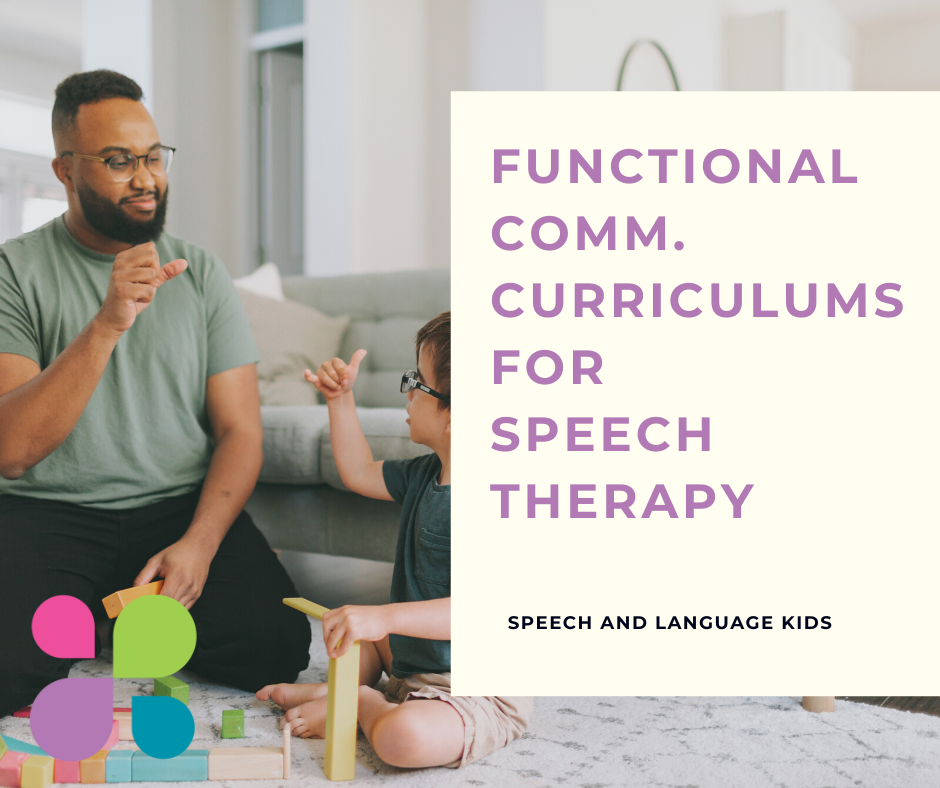
The launch of these structured curriculums comes at a time when the demand for high-quality, accessible speech therapy resources is at an all-time high. By focusing on functional communication—the ability to interact effectively with the world—the developers hope to bridge the gap between abstract therapeutic goals and real-world application. The materials are designed to be life-changing, providing a bridge for children who are just beginning to navigate the complexities of human interaction.

A Specialized Approach to Early Social Interaction
One of the cornerstones of the new program is the Early Interactions Curriculum. This systematic, step-by-step program is specifically designed to help children learn how to engage and connect with those around them. It provides a clear pathway for building early social interaction skills with confidence, catering to children and teens who may struggle with the fundamental precursors to speech.

The curriculum is divided into three distinct levels, reflecting the developmental stages of a child’s social growth. The Beginner Level focuses on building awareness and engagement, primarily for children aged 9 to 15 months and beyond. The Intermediate Level shifts the focus to understanding and responding to communication, typically for those aged one to two years and beyond. Finally, the Advanced Level is designed to expand social participation and interaction for children aged one to three years and beyond. While these age ranges represent typical developmental milestones, the program’s flexibility allows it to be adapted for older children and teens who may need to revisit or solidify these foundational skills.
Tailoring Strategies for Different Language Processors
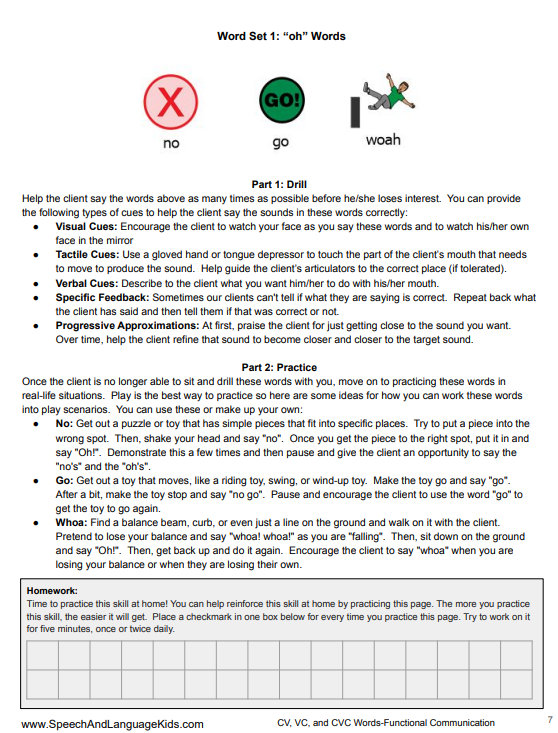
Recognizing that every child communicates differently, the initiative includes specific tracks for both analytic and gestalt language processors. The First Words Curriculum is aimed at analytic language processors—children who build language by assembling individual words into phrases. This no-prep program offers a structured method for teaching first words, giving children the essential building blocks to express their ideas and needs with greater confidence.
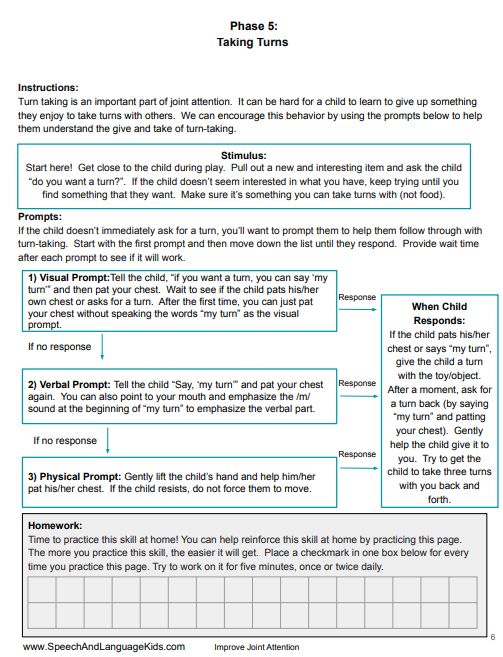
Similar to the Early Interactions track, this curriculum follows a tiered structure. It begins with encouraging first words for children of any age, progresses to producing early word shapes for children aged one to three, and concludes with an advanced stage focused on expanding vocabulary and combining words. This modular approach ensures that therapists can meet the child exactly where they are, facilitating a smooth transition from basic vocalizations to functional sentences.
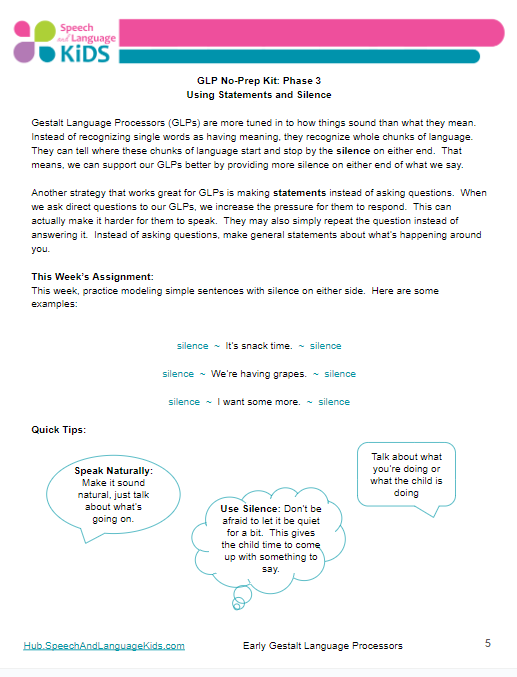
For gestalt language processors—children who learn and communicate in larger chunks of language, often utilizing echolalia—the Shaping Echolalia Curriculum offers a specialized, neurodiversity-affirming alternative. Rather than discouraging the use of echolalia, this curriculum honors the child’s natural language development process. It works to guide them toward flexible, self-generated speech by starting with early gestalts for children aged 1.5 to 3.5 years, moving to mitigated gestalts for those aged 2.5 to 5, and eventually fostering independent, self-generated language for children between the ages of 3 and 7. This approach acknowledges that for many children, echolalia is not a barrier to communication, but rather a functional, valid way to interact with the world.
Expanding Support Through AAC and Beyond
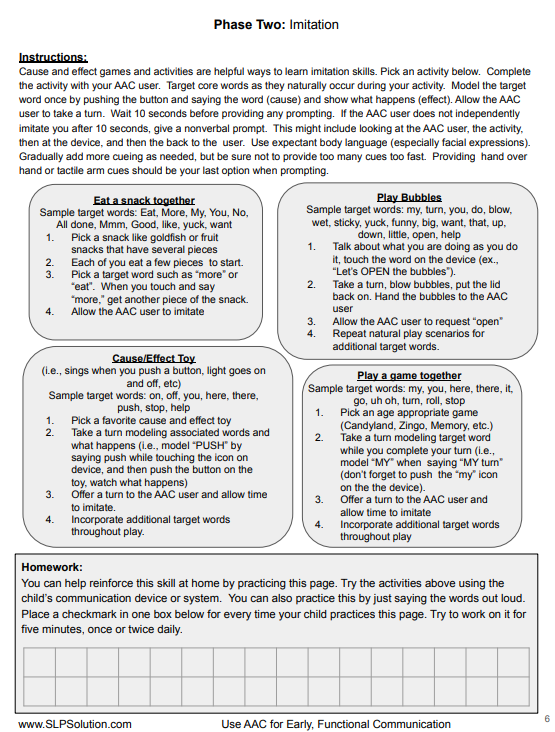
Recognizing that speech is not the only medium for communication, the program also features an Augmentative and Alternative Communication (AAC) curriculum. This structured roadmap is designed to help therapists and parents teach AAC use, ensuring that children who rely on these tools can build functional and independent communication skills.
The AAC track follows the same three-level progression as the other curriculums: beginning with basic communication for ages two to four, expanding into different communicative functions for ages three to five, and culminating in the use of AAC for independent functional communication for children aged four to six and beyond. By providing a clear structure, the program aims to alleviate the confusion that can often surround AAC implementation, ensuring that the focus remains on the child’s ability to express themselves rather than the mechanics of the device.
Reducing the Planning Burden for Professionals
A significant challenge faced by many speech-language pathologists is the sheer volume of preparation required for each session. The developers of these curriculums emphasize that the goal is to allow professionals to spend less time on planning and more time on the actual therapeutic process. By offering comprehensive plans that span from the first session to the mastery of a skill, the curriculum acts as a force multiplier for therapy.
The resources are designed to be flexible and accessible, with an emphasis on "no-prep" materials that can be implemented immediately. This reduces the logistical strain on parents and educators who may be balancing multiple responsibilities, ensuring that the therapeutic process remains consistent even outside of the clinic. When a therapist or parent has a clear, evidence-based plan, the child is often able to make faster, more significant progress.
The initiative also underscores the importance of a community-based approach. Because every child’s journey is unique, the developers have compiled a vast library of resources that go beyond speech sounds, covering every major area of communication. This holistic view ensures that as a child grows and their needs evolve, there is a consistent framework in place to support their ongoing development.
As the field of speech and language therapy continues to evolve toward more personalized and inclusive models, the introduction of these structured, flexible curriculums represents a significant step forward. By empowering practitioners with clear guidelines and honoring the diverse ways in which children process language, these resources aim to ensure that every child—regardless of their starting point—has the opportunity to achieve clear and confident communication. Through this structured support, the hope is that more children will be able to bridge the gap between their inner thoughts and the world around them, ultimately transforming their daily experiences and their future prospects.