









In the demanding world of speech-language pathology, professionals often find themselves caught in a cycle of endless preparation. For years, speech-language pathologists (SLPs), educators, and parents have grappled with the time-consuming challenge of hunting for individual activities, worksheets, and exercises that only partially address a child’s specific communication needs. This fragmented approach to therapy—often characterized by searching for "quick fixes"—can lead to inconsistent progress and significant burnout for the adults responsible for a child’s development.
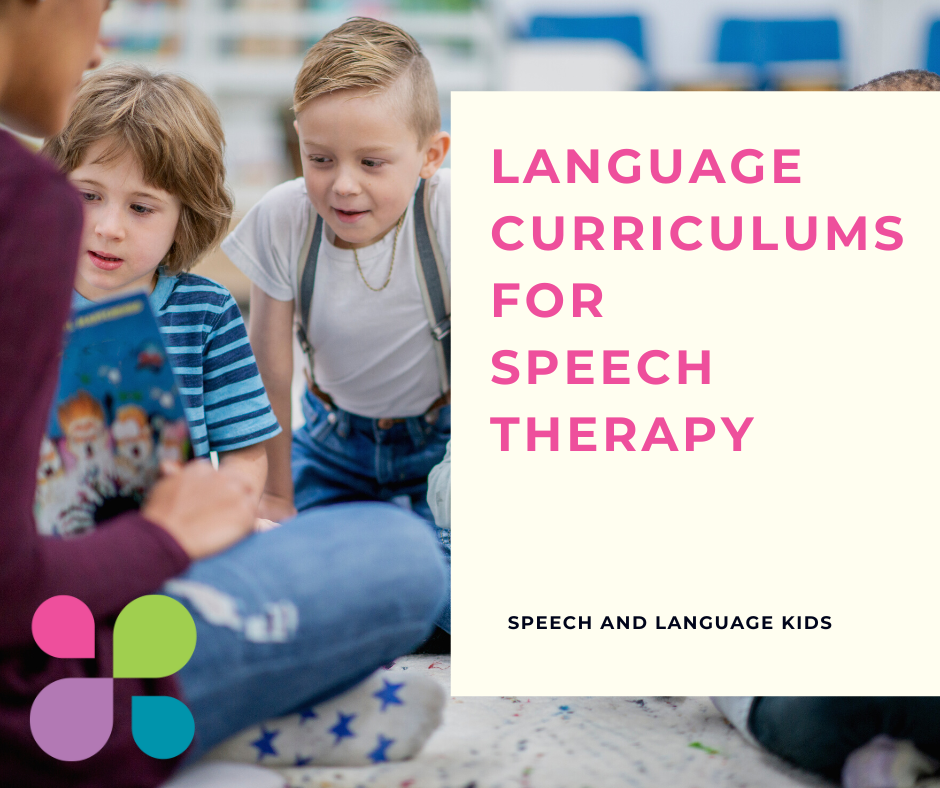
A new initiative from Speech and Language Kids (SLK) seeks to address these systemic hurdles by introducing a suite of comprehensive, evidence-based language curriculums. Designed to provide a clear, structured roadmap for therapy, these programs move away from the "piecemeal" approach, offering instead a ready-made, systematic framework that covers the entire spectrum of language development. By providing clinicians and parents with a clear vision of what to teach next, the program aims to eliminate the guesswork that often plagues therapy sessions, whether they occur in a clinical setting, at home, or within a classroom.
A Systematic Approach to Language Development
The core philosophy behind these new curriculums is that communication is not a series of isolated skills, but a developmental continuum. By providing a "step-by-step" progression, the materials aim to help children and teens move from basic foundational understanding to complex functional communication. Each curriculum is built on the principle of evidence-based practice, ensuring that the methods used are rooted in established developmental milestones.

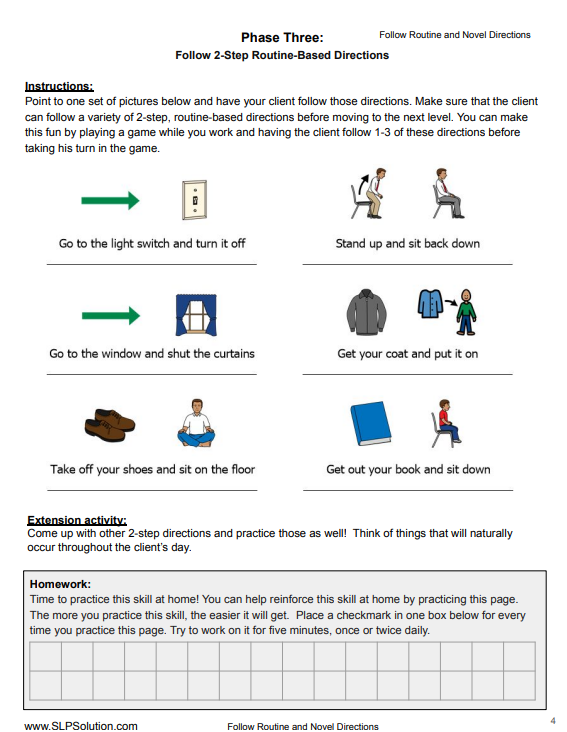
One of the flagship offerings is the "Following Directions Curriculum." This program addresses a fundamental pillar of cognitive and language development: the ability to process and act upon instructions. It begins at a foundational level suitable for toddlers and preschool-aged children, focusing on simple, one-step tasks, and progresses through intermediate and advanced stages. By the time a student reaches the advanced, "functional" level, the program is designed to help them manage complex, multi-step instructions that are essential for success in school and daily life. The goal is to move children beyond merely hearing words toward building the attention, comprehension, and confidence required to navigate their environment effectively.

Bridging the Gap in Questioning and Narrative Skills
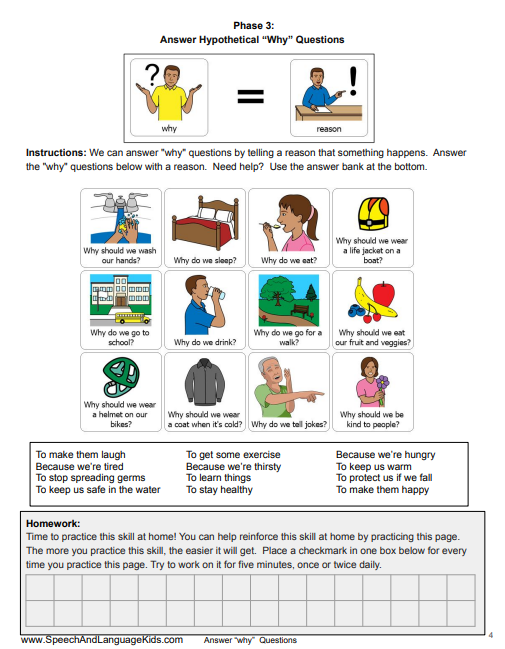
Another significant area of focus within the new SLK framework is the "Asking and Answering Questions Curriculum." Many children struggle to initiate conversations or provide relevant information because they lack a structured understanding of how questions function. This curriculum provides a systematic way to teach everything from basic "yes/no" responses and simple "wh-" questions to the more advanced social and academic application of questioning. By breaking down these interactions into manageable stages—starting with basic responses and moving toward mixed conversational use—the program helps children learn to navigate both social interactions and classroom discourse.
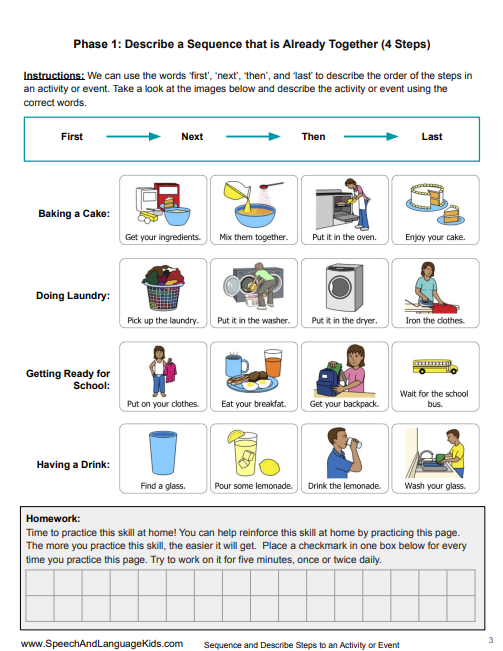
Closely related to this is the "Sequencing and Retelling Curriculum." For many students, the ability to retell a story or explain a past event is a major hurdle. This curriculum uses a scaffolded approach to help children organize their thoughts chronologically and coherently. By teaching children how to sequence common tasks first, the program builds the necessary cognitive muscles for the later, more demanding task of retelling complex stories or summarizing academic material. This focus on narrative structure is crucial not just for communication, but for the development of literacy and logical thinking.
Mastering Syntax, Grammar, and Abstract Thought
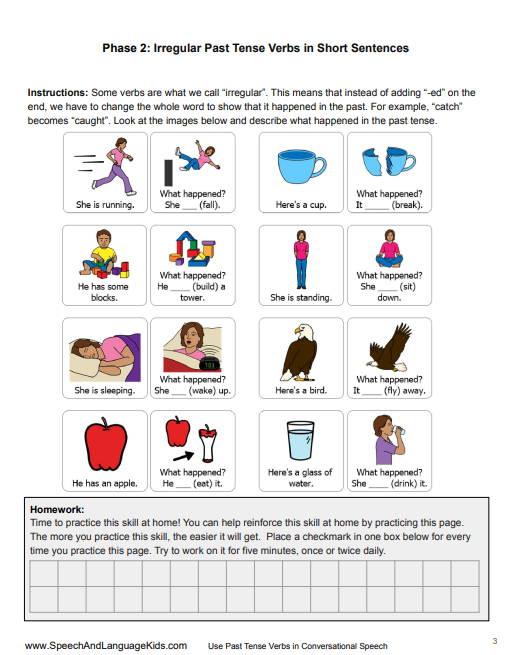
Beyond the mechanics of conversation, the initiative places a strong emphasis on the foundations of language structure. The "Grammar and Syntax Curriculum" is designed to replace the common practice of using scattered, one-off grammar lessons with a cohesive, results-driven progression. Starting with basic grammatical structures for young children and evolving into complex sentence construction for teens, this curriculum aims to provide a clear path for language maturation.
Perhaps one of the most sophisticated elements of the new suite is the "Abstract Language Curriculum." This area often presents the greatest challenge for children with language delays, as it involves moving away from literal interpretations toward understanding figurative language, nuance, and social inference. By systematically introducing concepts like metaphors, idioms, and social context, the curriculum aims to provide a "low-prep" way to help students grasp the subtleties of communication that are vital for high-level social and academic success.
Foundations for Literacy and Vocabulary Growth
Recognizing that speech and language are the precursors to academic achievement, the "Language Foundations for Literacy Curriculum" offers a structured bridge to reading and writing. This program focuses on the linguistic skills that underlie literacy—such as understanding discourse structures and critical thinking—ensuring that children are not just decoding words, but truly engaging with text and expressing their own ideas in writing.
Complementing this is the "Vocabulary Curriculum," which takes a long-term view of word acquisition. Rather than focusing on rote memorization, this curriculum teaches students how to learn words, providing them with word-attack strategies that they can apply independently. This is particularly beneficial for older students, who must transition from learning "what" a word means to understanding how to analyze language across diverse academic subjects.
Reducing the Burden on Professionals and Caregivers
The overarching mission of these curriculums is to reduce the administrative and planning burden that often prevents professionals from doing their best work. By providing ready-to-use plans, the system allows SLPs and parents to spend significantly less time searching for materials and more time focusing on the child in front of them.
The developers of the program emphasize that while every child’s communication journey is unique, there is no need for clinicians to "reinvent the wheel" for every session. By having a clear, evidence-based plan, both the instructor and the student benefit. The instructor gains a sense of confidence in their trajectory, and the student benefits from the stability of a structured learning environment. The evidence suggests that when therapy is organized and intentional, children achieve mastery more quickly, leading to improved outcomes in confidence and overall communication ability.
The launch of these comprehensive tools comes at a time when the demand for effective, accessible speech therapy is higher than ever. With options for instant access and a flexible approach to implementation, the programs are designed to be used in a variety of environments, from private clinics to public schools and home-based therapy programs. As the field continues to evolve, initiatives like these underscore the importance of blending clinical expertise with systematic, user-friendly resources to ensure that every child has the opportunity to communicate clearly and confidently.
For those navigating the complexities of speech development, the message from the developers is clear: you do not have to work in isolation. By moving away from the hunt for individual worksheets and toward a holistic, developmental model, it is possible to transform the therapy experience. When a child has the right support—and the adult in charge has the right plan—the progress can be profound, and for many families and educators, that change is what matters most.