






By Michelle Diament | October 16, 2026
For many families navigating the complexities of autism spectrum disorder (ASD), the search for effective, engaging, and accessible interventions is a constant priority. While traditional clinical therapies remain a cornerstone of support, new research published this month in the journal Pediatrics suggests that an age-old practice—spending time with horses—may offer significant, evidence-based benefits for children struggling with irritability, hyperactivity, and social development.
The study, which examined 236 children between the ages of 6 and 16, provides a rigorous look at how therapeutic horseback riding can serve as a potent, non-traditional tool for youth with autism who also contend with co-occurring psychiatric conditions. The findings offer a compelling case for integrating equine-assisted activities into the broader spectrum of support services available to neurodivergent youth.

The Dynamics of the Study
The research project, led by Robin Gabriels, a professor of psychiatry at the University of Colorado, sought to isolate the specific impact of equine interaction. By tracking 236 participants, the researchers were able to categorize children into distinct groups to measure the efficacy of different levels of engagement with horses.
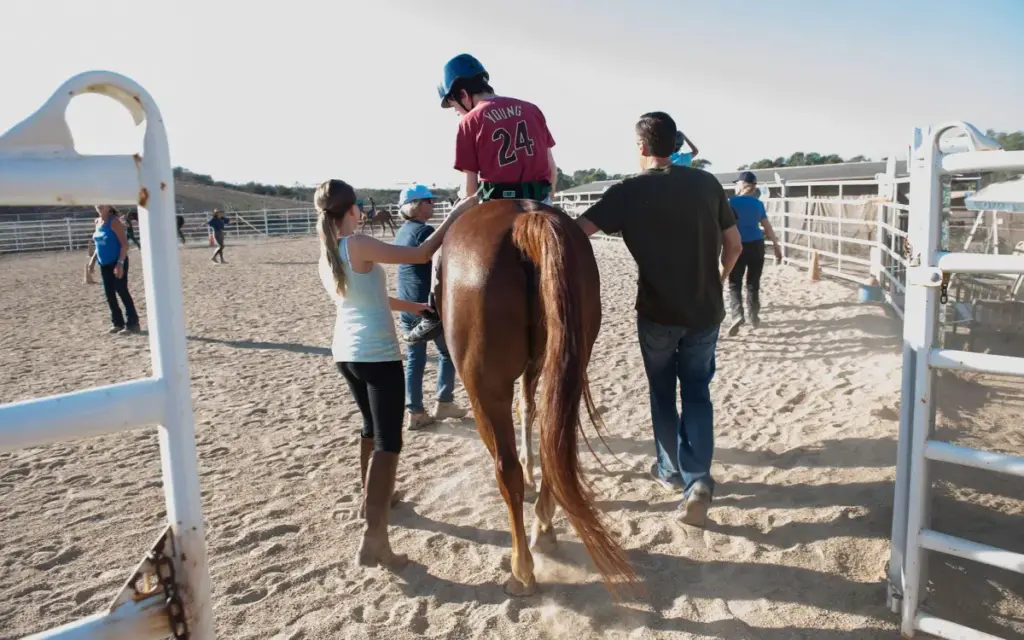
In the study design, some children were assigned to a formal therapeutic riding program, consisting of one session per week for 10 weeks. A second group engaged in "barn activities," which allowed for observation and proximity to horses without direct physical interaction or riding. A third group served as a control of sorts, undergoing a waiting period before participating in five weeks of barn-based activities, followed by five weeks of structured riding lessons.
The researchers were particularly interested in how these interventions affected core challenges associated with autism, specifically irritability and hyperactivity, as well as broader social and emotional regulation.
Key Findings: A Therapeutic Advantage
The results were striking. Across the board, participants showed significant reductions in irritability and hyperactivity after spending time in the barn environment. However, the study revealed a critical nuance: while simple interaction with horses provided benefits, the act of riding offered a unique therapeutic advantage.
According to the data, the greatest impact on hyperactivity was observed among the children who participated in the riding group. This suggests that the physical engagement, the rhythmic movement of the horse, and the sensory experience of riding may provide a specific type of stimulation—or calming influence—that stationary interaction cannot replicate.
"There is something about riding a horse that is particularly helpful for kids with hyperactivity," said Dr. Gabriels. The movement of the horse acts as a sensory-motor experience that requires a high level of focus and engagement from the rider, which can help channel excessive energy into productive, goal-oriented activity.
Beyond the reduction in hyperactivity, the study noted broader improvements in the participants’ ability to regulate their emotions and navigate social interactions. For children who often struggle with the rigid structure of a clinical office or a standard classroom setting, the open-air, dynamic environment of a stable provides a different, more forgiving arena for skill-building.
Bridging the Gap Between Clinic and Stable
The significance of these findings lies in the potential for supplemental care. While the researchers emphasize that horseback riding is not a universal panacea and may not be the right fit for every child—due to sensory sensitivities, safety concerns, or logistical barriers—the results suggest that it should be viewed as a valuable addition to existing treatment plans.
"Working with horses gives these kids a chance to do something active, social and engaging," Dr. Gabriels noted. "For some children, that may be a particularly effective way to help them develop skills that can be difficult to teach in a traditional clinical environment."
The social component of therapeutic riding is also a key factor. Unlike solitary exercises, therapeutic riding often involves a team of instructors, volunteers, and occasionally other peers. This requires the child to practice non-verbal communication, follow instructions, and establish a bond with a living creature. For children with autism who may find human social cues overwhelming or confusing, the relationship with a horse—which relies on clear, consistent, and calm communication—can serve as a foundational "practice" for social interaction.
Broader Implications for Care
The study arrives at a time when parents and advocates are increasingly looking for interventions that address the "whole child," rather than focusing solely on symptom management. The ability to lower hyperactivity through an activity that is inherently enjoyable—rather than one that feels like a task or a medical intervention—can significantly improve a child’s quality of life and their willingness to participate in therapy.
Furthermore, the research underscores the importance of environmental context in autism treatment. Many traditional behavioral therapies occur in sterile, clinical settings. The barn, by contrast, is a living, breathing environment filled with diverse sensory inputs, ranging from the texture of the horse’s mane to the sound of the environment. For many children, this setting provides a unique space where they feel empowered rather than analyzed.
The findings from Dr. Gabriels’ team are likely to influence how therapeutic recreation is viewed by pediatricians and specialists. As the field of autism support continues to evolve, the integration of such evidence-based, experiential therapies could become a more standard recommendation for families seeking to round out their children’s therapeutic schedules.
Next Steps for Families
For parents interested in exploring therapeutic riding, the researchers suggest looking for programs accredited by professional organizations that specialize in equine-assisted activities. These programs typically employ certified instructors who have specific training in working with individuals with developmental disabilities.
While the cost and accessibility of these programs can vary by region, the growing body of evidence supporting their efficacy may help in advocating for their inclusion in therapeutic planning and, potentially, in insurance or funding discussions. As researchers continue to explore the biological and psychological mechanisms behind why this works, the hope is that more children will have access to the unique benefits that only time in the saddle can provide.
As the medical community continues to refine the best practices for supporting neurodivergent youth, the clear message from this latest research is that the path to progress does not always have to be found within the walls of a doctor’s office. Sometimes, it is found in the quiet, steady rhythm of a horse walking around a corral, offering a child the space to grow, learn, and regulate in a way that feels natural and profoundly rewarding.