







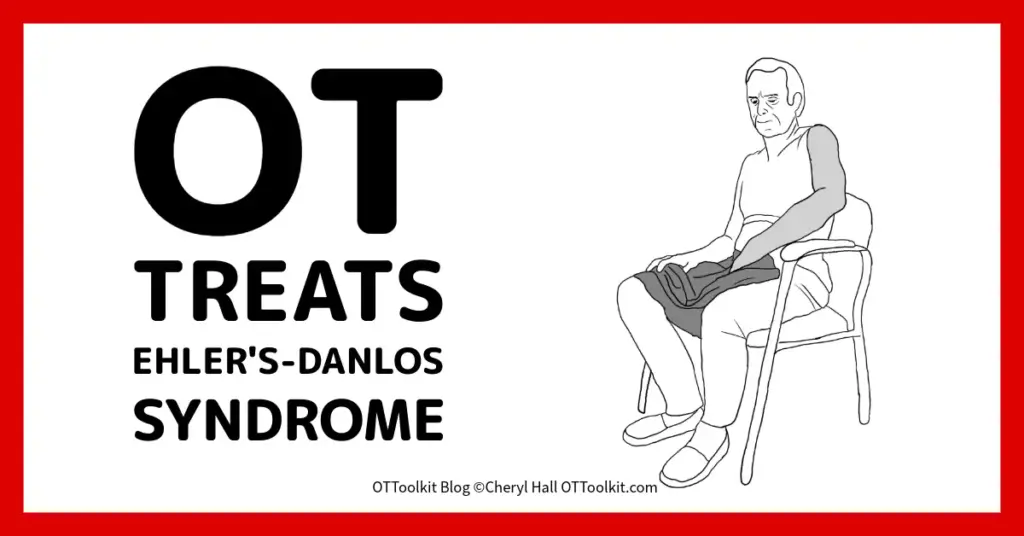
In the world of occupational therapy, the most effective resources are often those shaped by the real-world experiences of clinicians in the field. This collaborative spirit was recently highlighted when an occupational therapist practicing in Tennessee reached out with a unique request: they were treating a patient diagnosed with Ehlers-Danlos Syndrome (EDS) who expressed frustration that their specific condition lacked a dedicated treatment guide within the Occupational Therapy Toolkit. This request sparked a broader conversation about the role of OT in managing complex, multisystem connective tissue disorders and resulted in a commitment to formally integrate EDS into future editions of the Toolkit.
For the author of the Occupational Therapy Toolkit, this feedback was both timely and educational. While the Toolkit serves as a cornerstone resource for clinicians, EDS represents a rare and multifaceted condition that does not always appear in every therapist’s primary caseload. Recognizing the significant impact that tailored occupational therapy interventions can have on the symptoms of EDS—specifically regarding the improvement of daily independence and overall quality of life—the decision was made to incorporate a comprehensive EDS treatment guide in the next edition. Because the 8th edition of the Toolkit was only recently released in 2024, the current focus is on bridging that gap through clinical education, ensuring that therapists currently working with EDS patients have the foundational knowledge and strategies they need to provide effective care.
Ehlers-Danlos Syndrome is a complex, genetically rooted connective tissue disorder that fundamentally alters how the human body produces and utilizes collagen. Because collagen is the primary protein responsible for the structural integrity of skin, joints, blood vessels, and other internal tissues, the clinical manifestations of the condition are widespread. Current medical understanding has identified 13 distinct types of EDS, each with its own specific genetic profile and symptomatic presentation.
For the average patient, the hallmark symptoms of EDS frequently involve joint hypermobility, which leads to chronic joint instability and persistent pain. Furthermore, the connective tissue deficit often results in fragile skin that is prone to bruising, tearing, and delayed healing. Beyond the musculoskeletal system, the condition is often systemic, presenting as a constellation of secondary challenges including chronic fatigue, postural orthostatic tachycardia syndrome (POTS)—which can cause dizziness upon standing—and various gastrointestinal concerns. Because these symptoms are so diverse, occupational therapists play a critical role in addressing how these systemic issues intersect with a patient’s ability to perform meaningful daily activities.
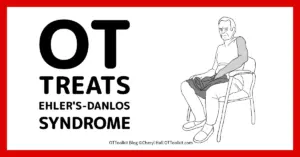
The role of the occupational therapist in managing EDS is multifaceted, focusing on proactive mitigation of symptoms and the preservation of long-term functional health. One of the most critical interventions is the implementation of joint protection strategies. Given the propensity for painful hyperextension, therapists are tasked with modifying daily tasks to reduce unnecessary strain. This often involves educating patients on safe movement patterns and the custom design or fitting of orthotic splints that provide the stability that their own connective tissues lack. By stabilizing joints in a neutral position, therapists can significantly reduce the pain and inflammation associated with daily wear and tear.
Energy conservation is another pillar of OT intervention for those living with EDS. Chronic fatigue is a pervasive challenge for many patients, often exacerbated by the body’s constant need to stabilize joints that lack adequate collagen support. Occupational therapists work closely with their patients to develop sustainable pacing and planning strategies, ensuring that daily activities are balanced with necessary rest. Through task modification—such as simplifying the steps of a household chore or utilizing assistive technology—therapists help patients manage their limited energy reserves more effectively, thereby preventing the "boom and bust" cycle that often leads to increased symptom flares.

The use of adaptive equipment also serves as a vital component of the treatment plan. Beyond simple splinting, OTs assess the patient’s environment to identify fall risks or areas where mobility is compromised. By recommending and training patients on the use of assistive devices, therapists can enhance community mobility and independence. This is often paired with ergonomic evaluations, where the therapist examines the patient’s work, school, or home setups. By optimizing these spaces with appropriate seating, supportive tools, or software that reduces the need for repetitive, high-strain movements, therapists can prevent the micro-traumas that often plague EDS patients.
Another unique area of focus for the occupational therapist is proprioception. Due to hypermobility, individuals with EDS may experience a diminished sense of their body’s position in space. This lack of proprioceptive feedback can lead to clumsiness, an increased risk of injury, and difficulty with fine motor tasks. Therapists utilize targeted therapeutic exercises designed to heighten body awareness and stabilize the joints through muscle engagement, which serves as a protective mechanism for the skeletal system.
It is also essential for clinicians to recognize the co-occurring symptoms that frequently accompany an EDS diagnosis. Patients often struggle with a wide range of secondary issues, including sleep disturbances, anxiety and other mental health challenges, chronic migraines, and various autoimmune or gastrointestinal conditions. Because occupational therapy takes a holistic approach to patient care, clinicians are uniquely positioned to offer interventions and lifestyle modifications that help manage these comorbid factors. By addressing the psychological impact of living with a chronic, invisible illness alongside the physical symptoms, the occupational therapist helps the patient maintain a sense of control and self-efficacy.
While the Occupational Therapy Toolkit continues to evolve to meet these specific needs, it already offers a wealth of resources that are highly applicable to the treatment of EDS. The existing library of treatment guides, activities of daily living (ADL) and mobility handouts, educational materials, and therapeutic exercise protocols provide a strong foundation for therapists to build upon. These resources are designed to be flexible, allowing practitioners to adapt standardized interventions to the unique, often idiosyncratic needs of a patient living with a connective tissue disorder.
For clinicians seeking deeper knowledge or specialized research on the condition, the Ehlers-Danlos Society remains the definitive resource. Their professional platform offers extensive information for healthcare providers, including continuing education modules, current research findings, and a directory of medical experts who specialize in the management of EDS. Engaging with such resources ensures that occupational therapists stay at the forefront of evidence-based practice as they support their patients.
The evolution of the Occupational Therapy Toolkit is a testament to the power of open communication within the professional community. The author encourages other clinicians to continue this dialogue, emphasizing that the best way to improve clinical resources is through the direct input of those on the front lines of patient care. By sharing observations and identifying gaps in current materials, therapists can ensure that their profession remains responsive, inclusive, and effective in meeting the needs of patients with rare and challenging conditions. Those with suggestions for future content or improvements to existing resources are encouraged to reach out directly to the author via email to ensure that the Toolkit remains a living, breathing resource that grows alongside the clinical community.