







WASHINGTON, DC — ZERO TO THREE, the nation’s leading early childhood development nonprofit dedicated to ensuring that all infants and toddlers have a strong and healthy start in life, has expressed strong encouragement regarding President Biden’s proposed fiscal year 2025 federal budget. The organization highlighted that the newly released spending blueprint includes essential, much-needed funding aimed at supporting programs that build a solid foundation for young children and their families across the United States.
According to leadership at the advocacy organization, the financial allocations within the proposed federal package align closely with the critical needs of America’s youngest population. By prioritizing early childhood development, the administration’s budget represents a significant step forward in addressing systemic challenges faced by infants, toddlers, and their parents.
“If implemented, President Biden’s budget released today will make our nation a better and fairer nation to have and raise a baby,” said Miriam Calderón, Chief Policy Officer at ZERO TO THREE.
Calderón noted that the organization has consistently urged both Congress and the administration to prioritize the distinct needs of babies and their families across five foundational areas: maternal health, infant and early childhood mental health, child care, housing, and economic security. These core pillars are regularly tracked and emphasized through the organization’s ongoing national initiatives, including the comprehensive State of Babies data project.
The release of the fiscal year 2025 budget builds directly upon the messaging delivered by the President during his recent State of the Union address. In that address, the administration laid out a visionary path toward a future where families are empowered and given meaningful choices regarding their children’s upbringing and long-term well-being. The proposed budget expands on this overarching vision by putting forward concrete policy proposals and funding mechanisms designed to address all facets of young children’s cognitive, social, and physical development.

The administration’s blueprint outlines targeted investments intended to bolster support systems for babies while simultaneously strengthening the economic and social fabric of families. These proposed measures encompass a broad spectrum of federal programs that touch upon healthcare, early education, family stability, and financial safety nets.
Child development advocates have long emphasized that the earliest years of a human life are a period of rapid brain development, making the first three years critical for lifelong learning, behavior, and health. Proponents of the budget argue that federal investments directed toward this developmental window yield profound long-term benefits not only for individual children and families, but also for the broader economy and society.
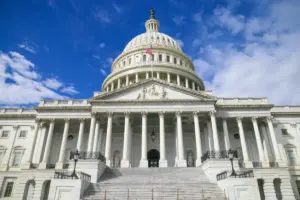
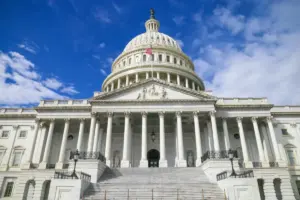
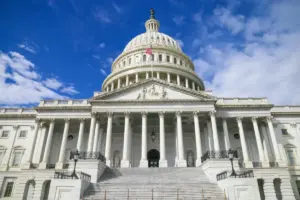
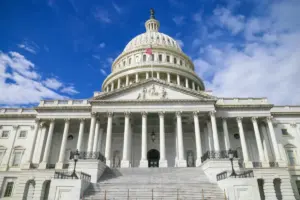
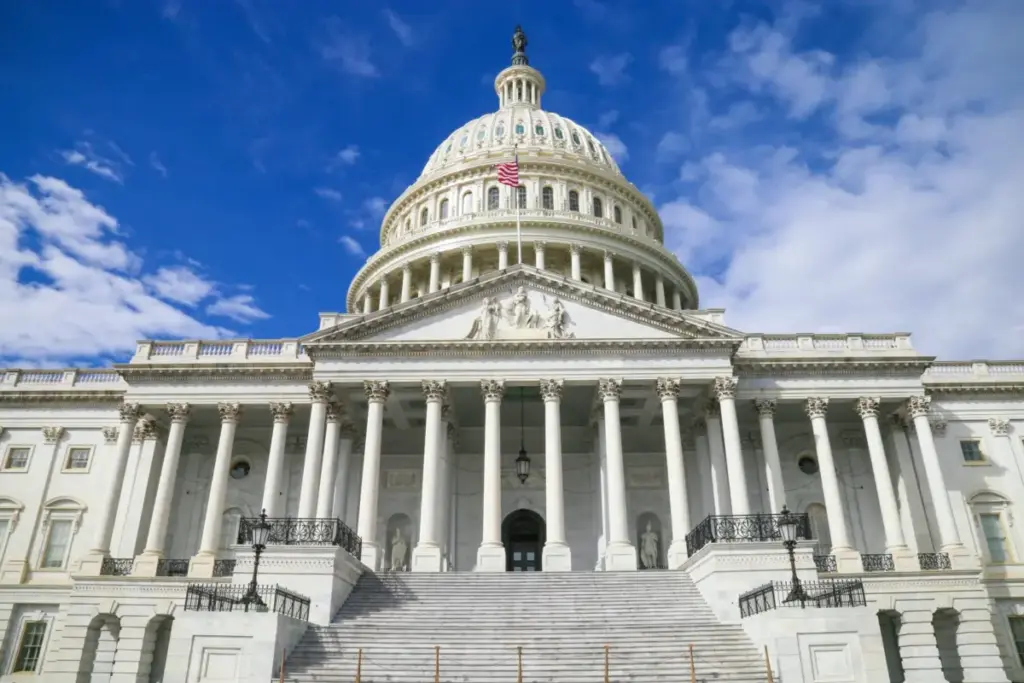
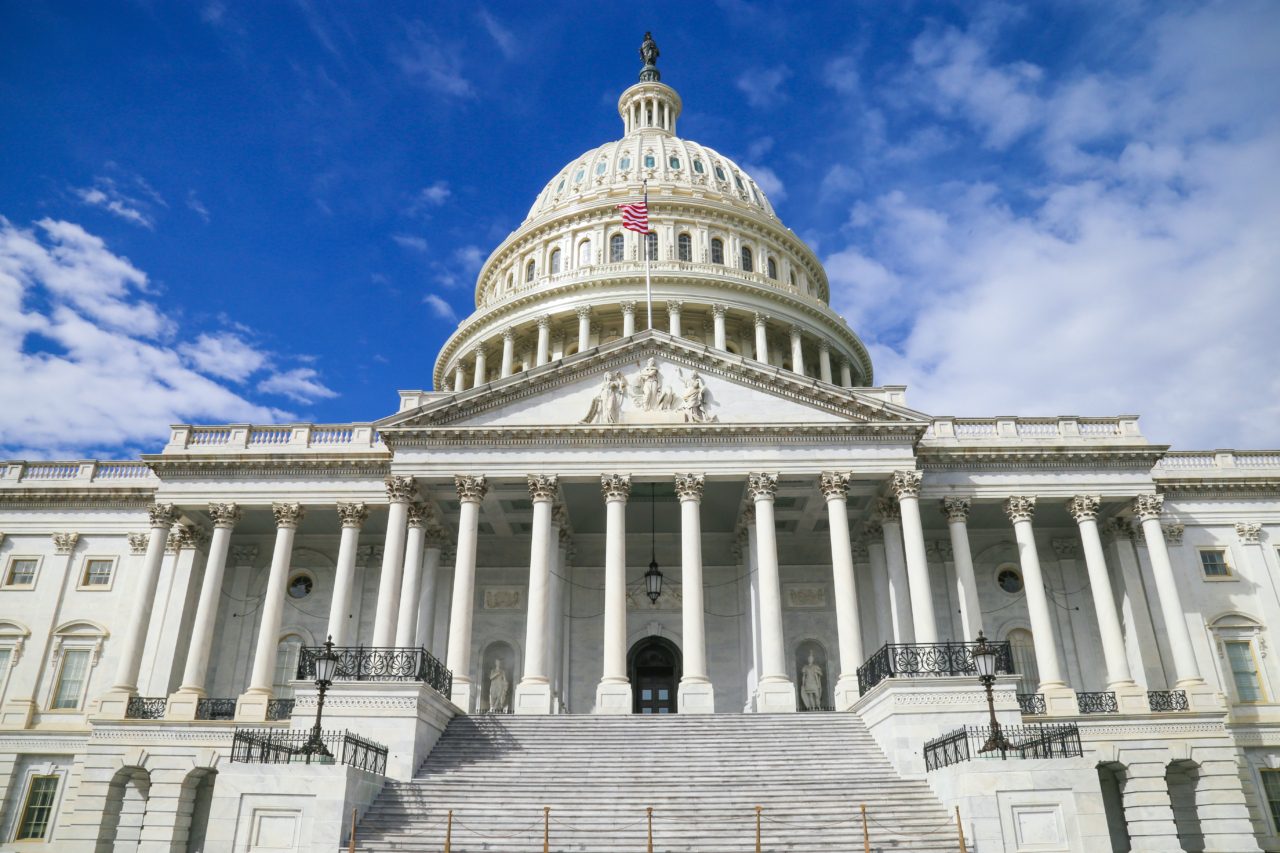
Following the formal release of the administration’s budget proposal, the focus now shifts decisively to Capitol Hill, where federal lawmakers will begin the complex and often contentious process of drafting and negotiating annual appropriations bills. While the President’s budget serves as a statement of priorities and a blueprint for federal spending, Congress holds the ultimate power of the purse and must enact legislation to bring these funding proposals to fruition.

Emphasizing the urgency of legislative action, Calderón called upon federal lawmakers to set aside partisan divisions and prioritize the welfare of the nation’s youngest citizens.
“Now, Congress must work with the Administration to deliver for families and babies,” Calderón continued. “We look forward to working with Congressional appropriators and our baby champions on the Hill to make these bold proposals a reality.”
As the legislative session progresses, early childhood advocates, policy experts, and community leaders from across the country are expected to engage heavily with members of Congress. Their collective efforts will focus on preserving and expanding the proposed investments in maternal and child health, early education infrastructure, and family economic security, ensuring that the needs of infants and toddlers remain at the forefront of national policy debates.