









WASHINGTON, DC — ZERO TO THREE, the nation’s leading early childhood development nonprofit dedicated to ensuring that all infants and toddlers are given a strong start in life, has expressed strong encouragement following the release of President Biden’s proposed fiscal year 2025 budget. The organization noted that the federal spending blueprint includes essential and much-needed funding for programs that directly build a secure foundation for young children and their families across the United States.
According to leadership at the advocacy organization, the newly proposed federal spending plan takes critical steps toward addressing the holistic needs of infants and toddlers during the most crucial window of human development. By targeting multiple structural pillars of family stability and early childhood growth, the budget proposal aligns closely with the long-standing policy recommendations put forward by child development advocates nationwide.
“If implemented, President Biden’s budget released today will make our nation a better and fairer nation to have and raise a baby,” said Miriam Calderón, Chief Policy Officer at ZERO TO THREE.

Calderón emphasized that the organization has consistently urged Congress and the Administration to prioritize the distinct needs of babies and their families across five key foundational areas: maternal health, infant and early childhood mental health, child care, housing, and economic security.
“In last week’s State of the Union address, the President laid out a path toward a future where families are empowered and have choices about their baby’s future,” Calderón added. “This proposed budget expands on this vision with proposals that address all facets of young children’s development.”

The federal budget blueprint arrives at a time when early childhood advocates and family support networks are increasingly highlighting the unique vulnerabilities faced by infants and toddlers. Because a child’s brain undergoes its most rapid period of development during the first three years of life, policy decisions made at the federal level carry profound, lifelong implications for health, learning, and emotional well-being.
ZERO TO THREE has long pointed out that investments in early childhood are not merely social welfare programs, but rather vital economic and public health investments. When families have reliable access to affordable child care, stable housing, adequate economic support, and comprehensive health care—including maternal and mental health services—the entire community benefits through enhanced workforce participation, reduced long-term health care costs, and stronger educational outcomes.
The President’s budget proposes targeted investments designed to bolster these exact areas of family life. By addressing the multifaceted challenges confronting modern parents and caregivers, the administration’s funding priorities aim to alleviate the day-to-day pressures that can hinder optimal child development. Child development experts have repeatedly noted that parental stress, financial insecurity, and a lack of postpartum support can significantly disrupt the delicate caregiver-child relationships that form the bedrock of infant mental health.

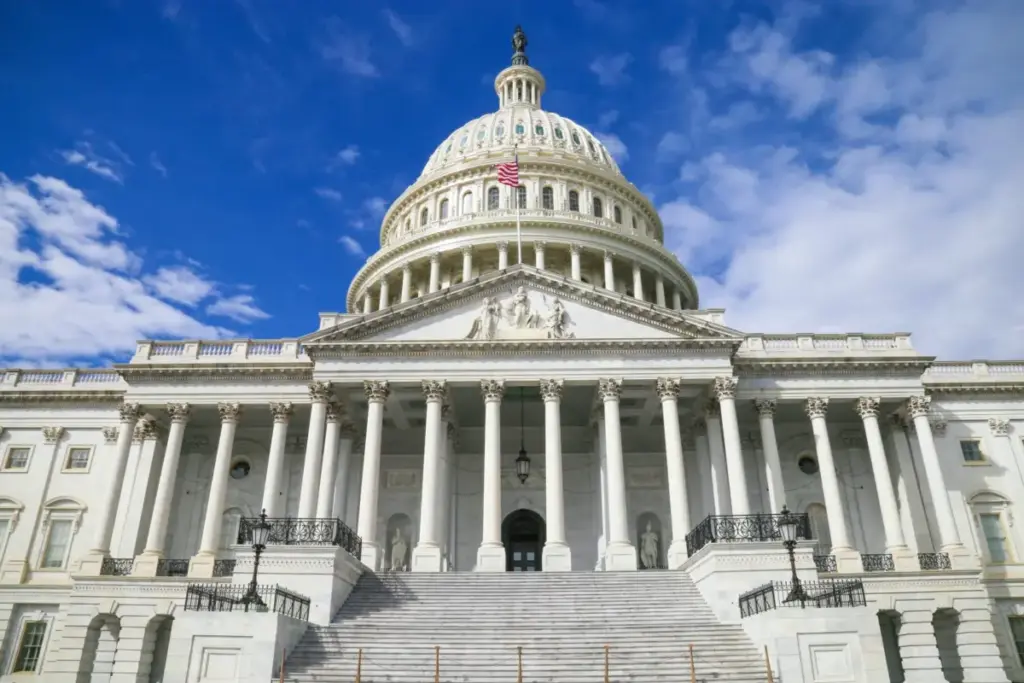
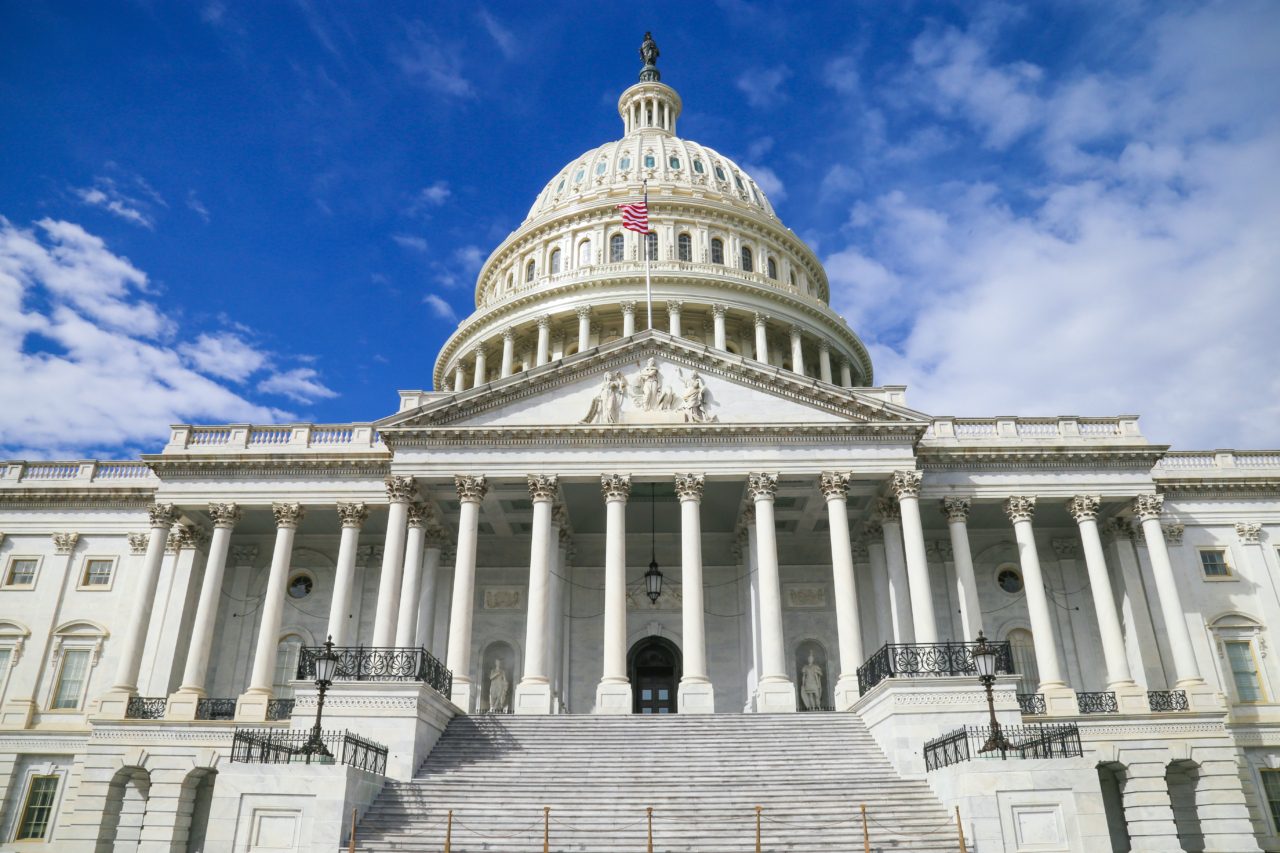
With the release of the executive budget proposal, the focus now shifts to Capitol Hill, where federal lawmakers will begin the complex and often contentious process of drafting and negotiating appropriations bills for the upcoming fiscal year. While the executive budget serves as a foundational statement of administrative priorities, Congress holds the ultimate power of the purse, meaning that the realization of these proposed investments will require bipartisan cooperation and dedicated legislative champions.
“Now, Congress must work with the Administration to deliver for families and babies,” Calderón continued, underscoring the urgency of the legislative road ahead. “We look forward to working with Congressional appropriators and our baby champions on the Hill to make these bold proposals a reality.”
As the legislative debate unfolds in Washington, advocacy groups, community leaders, and early childhood professionals plan to continue pressing lawmakers to keep the needs of the youngest Americans at the forefront of national policy discussions. For ZERO TO THREE and its supporters, the fiscal year 2025 budget represents a vital opportunity to move the needle toward a society that fully recognizes, supports, and invests in its youngest citizens from day one.