







For millions of individuals living with severe, treatment-resistant depression, conventional therapies—ranging from medication regimens to psychotherapy—often fail to provide meaningful or lasting relief. In the quest to address this persistent and debilitating condition, researchers at the Icahn School of Medicine at Mount Sinai have made a significant breakthrough. A new study, published October 1 in the American Journal of Psychiatry, identifies three specific white matter pathways in the brain that, when stimulated, are consistently associated with long-term improvement in patients receiving subcallosal cingulate deep brain stimulation (SCC DBS).
This discovery marks a pivotal shift in the field of neuromodulation, suggesting that the future of psychiatric surgery lies not in targeting anatomical landmarks alone, but in mapping the complex, individualized network of connections—the "connectome"—within each patient’s brain. By understanding precisely which circuits must be engaged to alleviate symptoms, researchers hope to transform an experimental therapy into a highly precise, reliable, and effective medical intervention.
Understanding the Challenge of Deep Brain Stimulation
Deep brain stimulation involves the surgical implantation of electrodes into specific areas of the brain, which then deliver controlled electrical impulses to regulate the circuits involved in mood regulation. While the concept is straightforward in theory, the clinical reality is significantly more complex. One of the most persistent challenges in the field has been the variability in patient outcomes. Even when electrodes are placed in nearly identical anatomical locations, two patients may experience drastically different results.
This discrepancy arises because electrical stimulation does not act in a vacuum. The current does not simply influence the immediate cluster of neurons surrounding the electrode; it propagates through white matter pathways—the brain’s "wiring"—to influence wider, distant networks. Consequently, the success of the treatment depends on whether the electrical field successfully captures the specific network connections necessary for mood improvement. If the electrode is positioned just a few millimeters off, it may fail to engage these critical pathways, leaving the underlying depressive symptoms untouched.
Identifying the Key Pathways to Recovery
The Mount Sinai team, led by a group of distinguished neuroscientists and clinicians, conducted the most comprehensive analysis to date of patients who had undergone SCC DBS. By aggregating data from several independent cohorts, including the BROADEN trial and the foundational patient group at the University of Toronto, researchers were able to look for consistent patterns of success across diverse clinical environments.
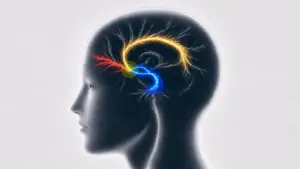
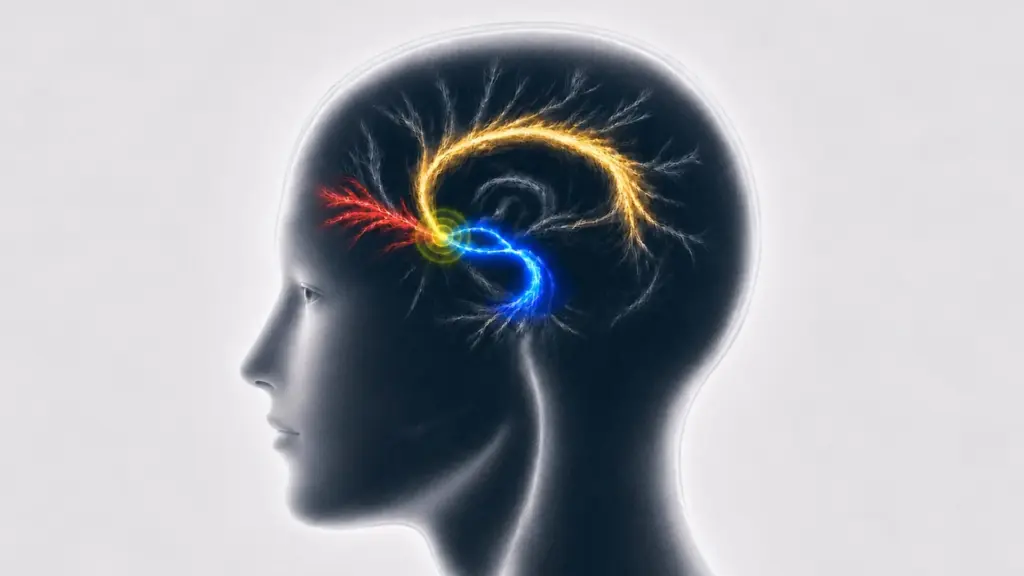
Using advanced computer modeling to simulate the electrical fields generated by the implanted electrodes, the team overlaid these models onto maps of individual brain connectivity. Their analysis revealed a striking, consistent relationship: sustained clinical improvement was fundamentally linked to the stimulation of three specific white matter pathways: the cingulum bundle, the forceps minor, and the medial uncinate fasciculus/ventral amygdalofugal pathways.
Perhaps most revealing was the inverse of this finding. When the researchers examined the data of patients who failed to achieve a sustained response after two years of treatment, they observed a consistent lack of stimulation engagement with the left cingulum bundle. This observation provides a compelling biological explanation for the "non-responder" phenomenon. It suggests that in many cases, treatment failure is not necessarily a failure of the technology or the patient’s underlying biology, but a result of a "missed" connection—the stimulation simply failed to reach the essential neural highway required to shift the patient out of a depressed state.
A Move Toward Connectome-Based Targeting
The findings published this October provide robust scientific evidence to support a transition toward "connectome-based targeting." This strategy advocates for using detailed, patient-specific maps of brain connectivity to guide the placement of electrodes, rather than relying solely on standardized anatomical landmarks.
This approach is not merely theoretical. It has already begun to shape the design of the Abbott TRANSCEND clinical trial, a randomized, controlled study that utilizes these individualized brain connectivity maps to determine the optimal placement of electrodes for each participant. By customizing the surgery to the unique structural anatomy of the patient, researchers hope to ensure that the electrical stimulation is hitting the right targets from the moment the device is activated.
Dr. Helen Mayberg, the Mount Sinai Professor in Neurotherapeutics and founding Director of the Nash Family Center for Advanced Circuit Therapeutics at the Icahn School of Medicine at Mount Sinai, emphasized the necessity of this precision. "This study underscores the importance of individualized surgical targeting for achieving optimal outcomes with deep brain stimulation for depression," Dr. Mayberg noted. "In any randomized controlled trial of a neuromodulation treatment, precise lead placement and confirmation that the intended brain target has been engaged are essential first steps."
She added that while the field is gaining clarity, there is still much to learn. "We still have much to learn about which patients are most likely to benefit from stimulation of this particular target, but developing imaging-based signatures that can match patients to their optimal treatment remains a central goal of our research."
Refining the Future of Personalized Medicine
The researchers are quick to note that while identifying these three pathways is a significant leap forward, electrode placement is only one piece of a much larger puzzle. The complexity of depression means that treatment will likely require a multi-faceted, personalized approach that evolves over time.
Future investigations are already being planned to address the limitations of the current study. For instance, while the team utilized advanced modeling, they did not have access to individual diffusion MRI scans for every participant, necessitating the use of generalized connectivity maps for some of the analysis. However, when the researchers compared the results from generalized maps against individual diffusion imaging in the Emory patient group, the findings remained consistent, lending credibility to the identified pathways.
Moving forward, the team aims to incorporate additional imaging measurements—such as white matter integrity and functional connectivity—to create even more detailed models. These models could eventually help clinicians not only determine where to place an electrode, but also how to calibrate the stimulation parameters, such as amplitude, frequency, and pulse width, to match the patient’s specific brain state.
"Our findings show precisely engaging these white matter pathways is a critical first step toward sustained response," said Dr. Ki Sueng Choi, an Associate Professor and Imaging Core Leader at the Center for Advanced Circuit Therapeutics at Mount Sinai, and the study’s corresponding author. "The next step is to characterize abnormal functional and structural brain states along these pathways to build more detailed models for setting patient-specific stimulation parameters."
As the scientific community works to bridge the gap between initial surgery and long-term remission, the work being done at Mount Sinai offers a hopeful path forward. By treating depression as a network-level disorder and applying the rigor of precision medicine, researchers are steadily uncovering the secrets of the brain’s architecture, moving closer to a future where severe, treatment-resistant depression can be managed with the same surgical precision as other physical health conditions.
Research Funding and Disclosures
This research was supported by the National Institutes of Health (NIH) BRAIN Initiative through grant UH3NS103550, as well as the Hope for Depression Research Foundation and the DANA Foundation. Abbott’s Neuromodulation business provided data from the BROADEN clinical trial but had no role in the design or analysis of the study.
Several of the researchers involved hold roles or interests related to the technology. Dr. Brian Kopell, Dr. Helen Mayberg, and Dr. Ki Sueng Choi serve as paid consultants to Abbott Laboratories. Dr. Mayberg is a named co-inventor of the method for using SCC DBS to treat depression, a method licensed to Abbott. She has received royalty payments from Functional Neuroscience and is eligible for future payments. Furthermore, Drs. Mayberg, Kopell, and Choi are named co-inventors on a patent application regarding a technique for identifying optimal electrode placement, which was filed through Mount Sinai. While this technology is currently unlicensed, it has been utilized in the ongoing TRANSCEND clinical trial.