







A week of intensive meditation and specialized mind-body practices may be capable of producing measurable physiological changes that extend far beyond the temporary state of relaxation typically associated with these activities. In a pioneering study published in the journal Communications Biology, researchers at the University of California San Diego have uncovered evidence that a seven-day immersive retreat is associated with significant, quantifiable shifts in brain activity, blood chemistry, immune signaling, metabolic function, and the body’s innate pain-regulation systems.
These findings suggest that the human body may be far more responsive to focused mental states and intentional experiences than previously understood by conventional medicine. By moving beyond the subjective reports of practitioners and into the realm of rigorous biological measurement, the researchers have provided new data on the ways in which conscious experiences can influence physical health at a cellular level.
Measuring the Biology of Meditation
For millennia, various cultures across the globe have utilized meditation and mindfulness as foundational tools for cultivating health, emotional stability, and general well-being. Despite this long history, the scientific community has struggled to bridge the gap between anecdotal accounts of "feeling better" and the precise biological mechanisms that drive these improvements. The new study, supported by a multi-million-dollar initiative from the InnerScience Research Fund, represents a major attempt to comprehensively map the biological effects of an integrated mind-body program.

According to the study authors, this is the first research project to track such a wide array of biological indicators during a short, intensive residential program. The data suggests that when multiple mind-body practices are synthesized into a single, cohesive retreat, the cumulative effect is not merely a reduction in stress, but a fundamental alteration in how the brain interacts with reality.
"We’ve known for years that practices like meditation can influence health, but what’s striking is that combining multiple mind-body practices into a single retreat produced changes across so many biological systems that we could measure directly in the brain and blood," explained senior study author Hemal H. Patel, Ph.D., a professor of anesthesiology at the UC San Diego School of Medicine and a research career scientist at the Veterans Affairs San Diego Healthcare System. "This isn’t about just stress relief or relaxation; this is about fundamentally changing how the brain engages with reality and quantifying these changes biologically."
Inside the Seven-Day Retreat
The study cohort consisted of 20 healthy adults who volunteered to participate in a seven-day residential program guided by neuroscience educator and author Joe Dispenza, D.C. The immersive curriculum was designed to be rigorous, featuring a combination of daily lectures, approximately 33 hours of guided meditation, and various group healing exercises.
A notable feature of the study was the inclusion of an "open-label placebo" approach. In traditional clinical trials, the placebo effect is often treated as a hurdle to overcome, with participants unaware they are receiving an inactive intervention. In this study, participants were fully aware that they were not receiving an active pharmaceutical agent, yet the researchers utilized this methodology to explore how expectations, social cohesion, and the experience of participation itself contribute to biological outcomes.
To capture a high-resolution picture of these changes, the team employed functional magnetic resonance imaging (fMRI) both before and after the retreat. By monitoring blood flow patterns, researchers were able to observe shifts in neural network activity. Simultaneously, extensive blood panels were analyzed to track fluctuations in metabolism, immune markers, and molecular signaling, providing a dual-layered view of the body’s internal response to the program.
Changes from the Brain to the Immune System
The results revealed a broad spectrum of physiological shifts. Notably, fMRI scans indicated a reduction in activity within brain regions typically associated with the "internal mental chatter"—the constant, often ruminative narrative that characterizes the default mode network. Researchers interpreted this reduction as a sign of improved neural efficiency, suggesting that the brain requires less effort to maintain a state of presence following the intensive training.
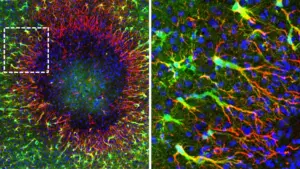
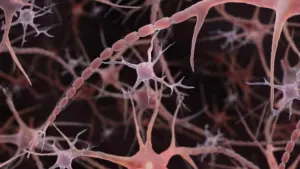
Perhaps even more striking was the evidence of increased neuroplasticity—the brain’s capacity to reorganize itself by forming new neural connections. When researchers exposed laboratory-grown neurons to blood plasma samples collected from participants after the retreat, they observed that the neurons developed longer branches and established more complex connections. This suggests that the chemical environment of the blood had been altered in a way that actively promoted nerve cell growth and adaptation.
Metabolic shifts were also documented. Cells exposed to post-retreat plasma demonstrated an increase in glycolytic metabolism, the primary process by which cells convert glucose into energy. This shift points toward a state of increased metabolic flexibility, allowing the body to adapt more efficiently to energy demands.
Furthermore, the study identified an upregulation in the body’s natural pain-control systems. The blood concentrations of endogenous opioids—the body’s innate chemicals that target the same receptors as opioid pain medications—were found to be elevated after the seven-day program. This suggests that participants had gained a greater capacity to modulate their own pain responses without the need for external pharmacological intervention.
The immune system also showed signs of a sophisticated, adaptive response. Researchers observed a simultaneous rise in both inflammatory and anti-inflammatory signals. Rather than simply suppressing or boosting the immune system, the retreat appeared to train the body’s defense mechanisms to respond more dynamically to internal and external triggers. These changes were mirrored by shifts in small RNA molecules and gene expression patterns in the blood, particularly within pathways related to brain function, highlighting the deep integration between mental activity and genetic expression.
Mystical Experiences and Brain Connectivity
A significant portion of the research focused on the subjective experiences of the participants. Using the Mystical Experience Questionnaire (MEQ-30), which measures feelings of transcendence, unity, and altered consciousness, the team found that average scores increased significantly from 2.37 to 3.02 following the retreat.
Interestingly, those who reported the most profound mystical experiences showed the most significant biological markers of change. There was a clear correlation between high MEQ-30 scores and increased integration across various brain regions, suggesting that the "mystical" state is rooted in a specific, measurable form of brain connectivity.
Perhaps the most provocative finding was the similarity between these results and the effects typically observed in studies involving psychedelic substances. The researchers noted that intensive meditation appeared to foster neural connectivity patterns that are often exclusively associated with the use of psilocybin, the active compound in psychedelic mushrooms.
"We’re seeing the same mystical experiences and neural connectivity patterns that typically require psilocybin, now achieved through meditation practice alone," Dr. Patel noted. He was careful to emphasize, however, that this does not imply the experiences are identical. Instead, the study suggests that the brain can access overlapping states of consciousness through different pathways—some pharmacological, others rooted in focused mental discipline.
Implications for Future Health and Pain Management
While the findings are preliminary, they offer a compelling biological framework for non-drug interventions. The observed increases in neuroplasticity could hold promise for addressing mental health challenges, improving cognitive resilience, and aiding in emotional regulation. The boost in endogenous opioids, in particular, has sparked interest in whether such retreats could eventually serve as a complementary approach for patients struggling with chronic pain.
Because this study focused on healthy adults, the researchers emphasized that further controlled clinical trials are essential to determine if these benefits can be safely and effectively applied to patients with diagnosed medical conditions. The team plans to investigate whether these retreats could assist individuals living with mood disorders or immune-related conditions, and they are particularly interested in determining the durability of these changes.
A key question remains: which specific components of the retreat—the meditation, the education, or the group healing practices—were responsible for which effects? By combining multiple interventions, the current study provided a "proof of concept" for the program as a whole, but it could not isolate the individual contribution of each activity. Future research will be designed to tease apart these variables, as well as to determine how long these physiological changes persist after the retreat concludes.
"This study shows that our minds and bodies are deeply interconnected—what we believe, how we focus our attention, and the practices we participate in can leave measurable fingerprints on our biology," said first author Alex Jinich-Diamant, a doctoral student in the Departments of Cognitive Science and Anesthesiology at UC San Diego. "It’s an exciting step toward understanding how conscious experience and physical health are intertwined, and how we might harness that connection to promote well-being in new ways."