
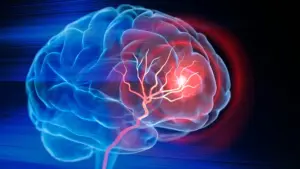








A groundbreaking study led by researchers at UCLA Health has unveiled a compelling connection between the composition of gut bacteria and the structural maturity of the human brain. The findings suggest that the biological clock of the brain may be significantly influenced by the metabolic byproducts of the microbiome, offering a revolutionary perspective on cognitive health. Most importantly, the research indicates that these biological shifts may be detectable decades before any outward signs of memory loss or cognitive impairment become apparent, potentially transforming how medical professionals approach long-term neurological wellness.
For years, neuroscientists have utilized advanced brain imaging techniques to estimate an individual’s "brain age"—a metric that can often diverge from a person’s actual chronological age. While researchers have long understood that a brain appearing older than expected is frequently correlated with diminished executive function, memory deficits, and mood instability, the vast majority of this literature has been confined to elderly populations or those already suffering from diagnosed neurological pathologies. This left a critical gap in scientific understanding: does the phenomenon of "premature" brain aging manifest in younger, asymptomatic adults? The new study, published in the journal eBioMedicine, provides a robust answer that suggests the roots of cognitive decline may be established much earlier in life than previously hypothesized.
Measuring the Biological Age of the Brain
To investigate this, a team of researchers from UCLA Health analyzed comprehensive brain imaging data from nearly 1,500 adult participants, meticulously categorized into three distinct cohorts. The methodology employed was sophisticated; rather than looking at static structural decay, the team utilized a scanning approach that evaluated functional connectivity—specifically, how different regions of the brain communicate with one another during periods of rest.

By observing these patterns of neural synchronization, the researchers developed a computational model designed to estimate the age of each participant’s brain based solely on its communication architecture. Once the estimated brain age was determined, it was compared against the participant’s chronological age to calculate what the researchers dubbed the "Brain Aging Index" (BAI). This index acts as a standardized measure of the discrepancy between biological maturity and time-based age, allowing the team to identify individuals whose brains appeared physiologically older than their years.
Correlation with Memory and Emotional Regulation
The data revealed a consistent and concerning trend across all three study groups. Participants who exhibited a higher Brain Aging Index—meaning their brains appeared older than their chronological age—consistently performed worse on standardized cognitive assessments. Specifically, these individuals demonstrated deficits in working memory and executive function. These cognitive domains are foundational to daily life, as they are responsible for the ability to retain information, maintain focus, manage complex tasks, and exercise organizational planning.
Beyond cognitive performance, the study uncovered a significant link between the Brain Aging Index and emotional health. Higher scores on the BAI were frequently associated with an increased reporting of depressive symptoms. Notably, the neural patterns identified in these individuals repeatedly involved brain regions deeply associated with memory retrieval and self-referential thought—the complex internal processes individuals use to contemplate their own identity and past experiences. These findings suggest that the impact of an "older-looking" brain is not merely academic; it has real-world consequences for how individuals interact with their environment, regulate their emotions, and maintain their sense of self.
The Gut-Brain Axis: A New Frontier
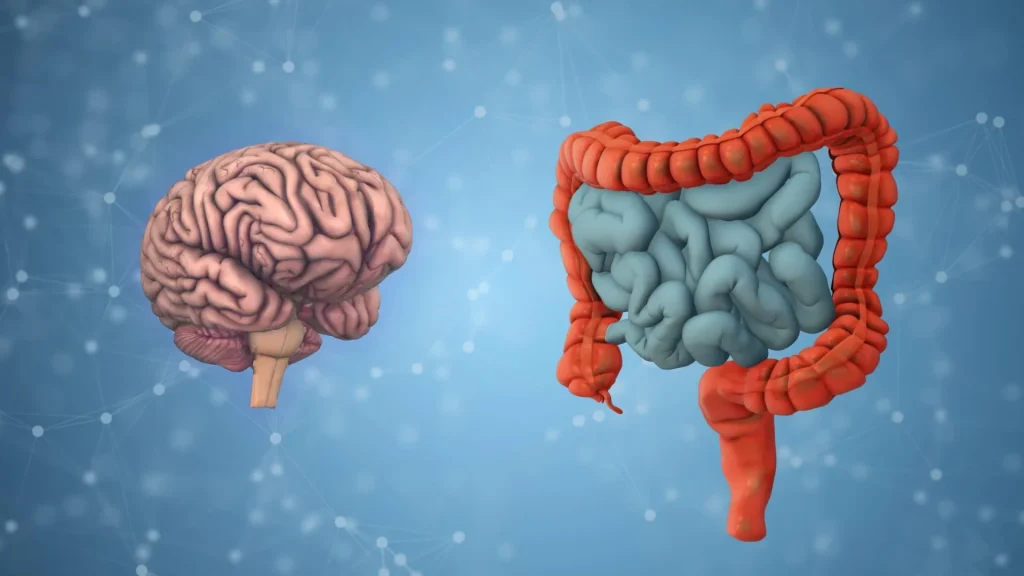
Perhaps the most transformative aspect of the study was the investigation into the biological drivers of these age-related discrepancies. For one of the three study groups, the researchers gathered stool samples to determine if variations in brain aging correlated with the microbial landscape of the gut. The results were striking: a higher Brain Aging Index was consistently associated with the presence of specific gut bacteria and a variety of unique metabolic byproducts.
Among the markers identified were certain fat molecules, a cholesterol-related compound, and notably lower levels of estetrol, a hormone. These findings suggest that the gut microbiome is not an isolated system but rather a dynamic participant in neurological health. The metabolic pathways associated with these signals appear to be deeply involved in critical systemic functions, including the regulation of the immune system, the health of blood vessels, the efficiency of communication between neurons, and the cellular processes that generate energy for the brain.
The implication is that the gut may serve as a signaling hub, influencing the brain’s trajectory through the chemical compounds it releases into the bloodstream. This reinforces the concept of the "gut-brain axis," a bidirectional communication network that, if understood correctly, could provide a target for preventative health strategies.
Detecting Signs Decades in Advance
The discovery that these biological signals are present in younger adults is a paradigm shift in neurology. "Brain aging doesn’t suddenly begin when we get older, but the biological signals may be detectable decades earlier," explains Dr. Arpana Church, the study’s senior author and co-director of the Goodman-Luskin Microbiome Center at UCLA Health.
Dr. Church emphasizes that by mapping these early brain changes to the gut microbiome and its associated metabolites, researchers are finally beginning to untangle the complex biological pathways that dictate why some individuals experience more rapid cognitive aging than others. "We are identifying pathways that could ultimately help us understand who may be at risk and, importantly, where we might intervene to support healthier brain aging," she noted.
This research does more than just categorize risks; it opens the door to potential clinical interventions that were previously unconsidered. If the gut-brain axis is a primary driver of neurological aging, then it stands to reason that targeting gut health—through diet, probiotics, or other metabolic interventions—could one day serve as a viable strategy to preserve cognitive function and emotional stability throughout the lifespan.
As the scientific community continues to explore these findings, the focus will likely shift toward longitudinal studies to determine how these gut-related markers change over time and whether they can be modified to "reset" or slow the pace of the Brain Aging Index. For now, the UCLA study provides a compelling roadmap for future research, suggesting that the path to a healthier brain may well start in the gut, and that the best time to begin protecting the mind is long before the first signs of age-related decline ever appear. By identifying those at risk early in life, medical professionals may eventually be able to shift from reactive treatment of neurological conditions to proactive, preventative support for long-term brain health.