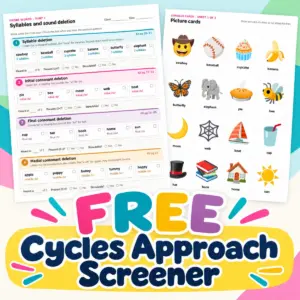







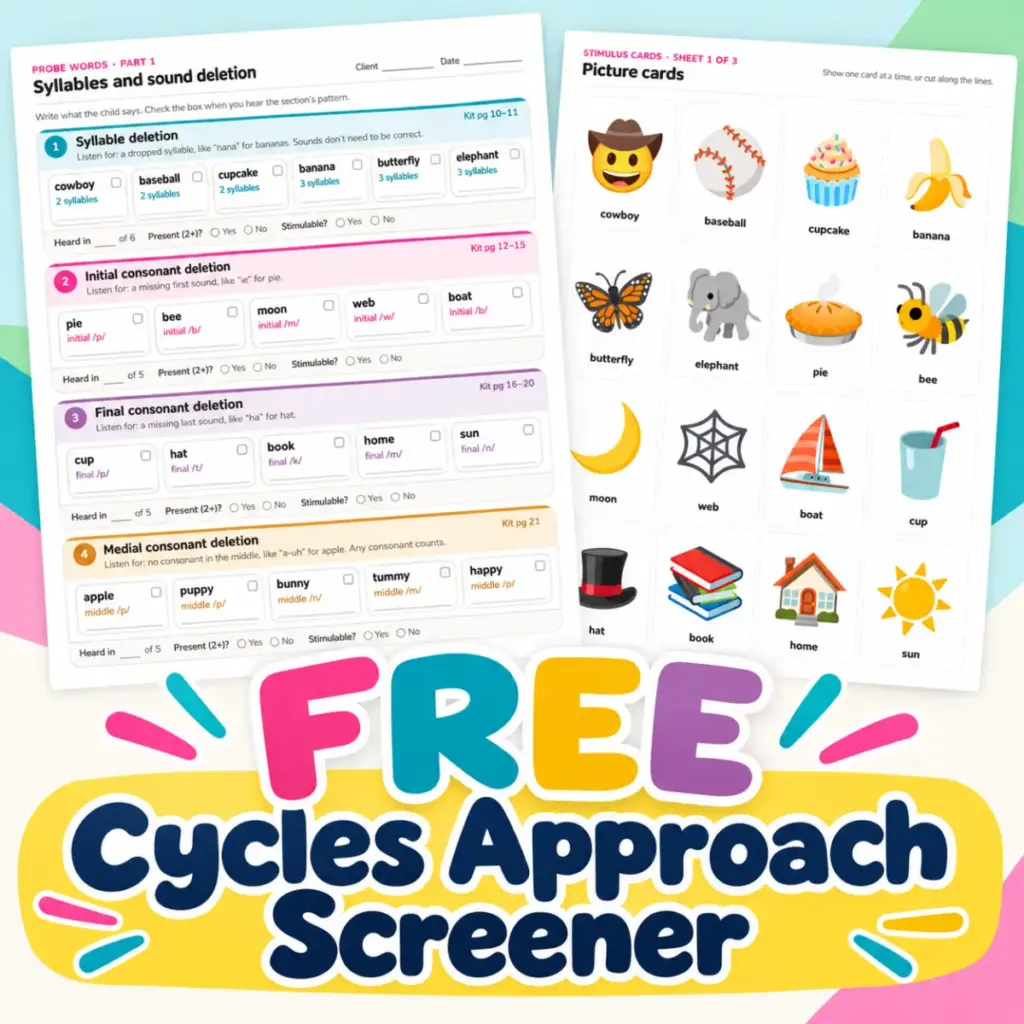
For many Speech-Language Pathologists (SLPs), the daily reality of clinical practice often involves a fragmented approach to lesson planning. Between high caseloads, administrative burdens, and the pressure to achieve measurable outcomes, clinicians frequently find themselves scouring digital marketplaces like Teachers Pay Teachers for individual activities, worksheets, and isolated exercises. While these resources can provide temporary relief, they often lack the cohesive, long-term framework necessary to guide a student through a comprehensive communication journey. It is this pervasive challenge—the struggle to piece together a coherent therapy plan from a thousand disconnected sources—that has sparked a shift toward a more integrated, curriculum-based approach to speech and language pathology.
At the forefront of this movement is Speech and Language Kids (SLK), an organization that has dedicated itself to transforming the way therapy is conceptualized and executed. By moving away from the "activity-first" mindset and toward a "curriculum-first" model, SLK is aiming to provide clinicians with the structural support they need to improve their efficacy while simultaneously reducing the professional burnout that has long plagued the field. The organization’s mission is rooted in the belief that effective therapy should not be an act of constant improvisation, but rather a structured, evidence-informed process that is both manageable for the clinician and transformative for the child.
The core of this evolution lies in the SLK Curriculum, a program designed to replace the chaotic assembly of disparate materials with a clear, step-by-step roadmap. For a profession that is increasingly data-driven and outcomes-focused, the transition from ad-hoc planning to structured curriculum is more than just a matter of convenience; it is a fundamental change in how clinical goals are approached. By providing a logical progression of skills, the curriculum allows SLPs to focus their energy on the art of therapy—building relationships, coaching parents, and fine-tuning interventions—rather than spending their evenings hunting for the next week’s handouts.

The feedback from the field suggests that this shift is addressing a significant pain point. Thousands of SLPs have integrated these structured programs into their daily routines, reporting that the transition has allowed them to reclaim their time and refocus on the core of their work: helping children find their voices. This sense of renewal is a critical component of the SLK movement, as the organization recognizes that the well-being of the clinician is intrinsically linked to the quality of the care provided. When an SLP feels organized and supported, they are better equipped to navigate the complex emotional and cognitive demands of pediatric therapy.
Beyond the logistical advantages, the SLK model emphasizes the importance of a supportive community. Speech-language pathology can often be an isolating profession, particularly for those working in school districts or rural clinics where peer support may be limited. By fostering a community around its structured programs, Speech and Language Kids has created a space where professionals can share insights, discuss the application of the curriculum, and find camaraderie with peers who share the same challenges. This sense of shared purpose is what the organization describes as a "movement"—a collective effort to redefine what it means to be a modern SLP.
However, the organization maintains that the current state of its curriculum is merely a starting point. In an era where the needs of children with communication disorders are becoming increasingly complex, stagnancy is not an option. The team at Speech and Language Kids continues to invest heavily in innovation, working to build new programs that reflect the latest clinical understandings and the changing landscape of pediatric healthcare. This ongoing development is driven by a commitment to the "end-users" of the service: the customers who utilize the curriculum and, most importantly, the children who ultimately benefit from more effective and consistent therapy sessions.
The future of speech-language pathology, according to those leading this initiative, is one defined by clarity, structure, and professional empowerment. It is a vision where clinicians are no longer required to act as part-time curriculum developers, but are instead empowered with high-quality, pre-planned frameworks that honor their expertise and allow them to focus on the human connection at the heart of their practice. As the organization looks toward the next phase of its growth, it is inviting clinicians to move away from the traditional, fragmented approach and join a growing cohort of professionals who are choosing to standardize their practice for the sake of better results.
This movement represents a broader trend within the allied health professions. As evidence-based practice becomes the gold standard, the demand for structured, scalable, and adaptable curricula is likely to grow. By providing a bridge between theoretical knowledge and practical application, organizations like Speech and Language Kids are helping to close the gap that often exists between graduate school training and the realities of a bustling clinical environment. The goal is not to automate therapy, but to remove the friction that prevents clinicians from being their best selves.
As Speech and Language Kids continues to iterate on its offerings, the focus remains firmly on the goal of making communication skills easier to teach, faster to implement, and more effective in practice. This is not just about a new set of materials; it is about changing the culture of the profession. It is about valuing the time of the SLP as a precious resource and recognizing that the most effective interventions are those that are thoughtfully planned and consistently delivered. The invitation to join this movement is an invitation to contribute to a larger narrative—one where the administrative burdens of the past give way to the clinical excellence of the future.
The ongoing innovation at SLK is a testament to the fact that the challenges faced by SLPs today are being heard and addressed with concrete, actionable solutions. As new programs move from the drawing board to the clinic, the focus remains on ensuring that these tools are not only easy to use but also deeply rooted in the developmental needs of the children being served. For thousands of clinicians, the transition to a structured curriculum has already begun, and for many more, the potential for a more organized, less stressful, and more rewarding career is well within reach.
The journey of Speech and Language Kids reflects the resilience and adaptability of the profession itself. By embracing structure, the community of SLPs is proving that they can do more than just survive the demands of their caseloads; they can thrive, innovate, and lead the way toward a future where communication support is more accessible and impactful than ever before. This is a call to action for those who believe that there is a better way to work, a better way to teach, and a better way to help children reach their full potential. The future of speech-language pathology is currently being built, and the tools to shape that future are available to those who are ready to embrace a new, more integrated way of thinking about their clinical practice.