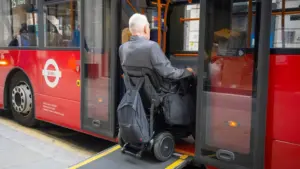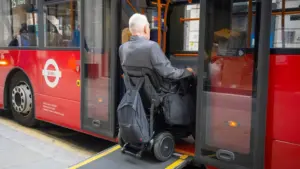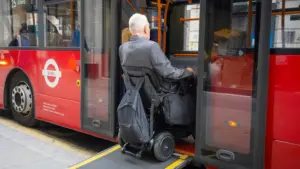









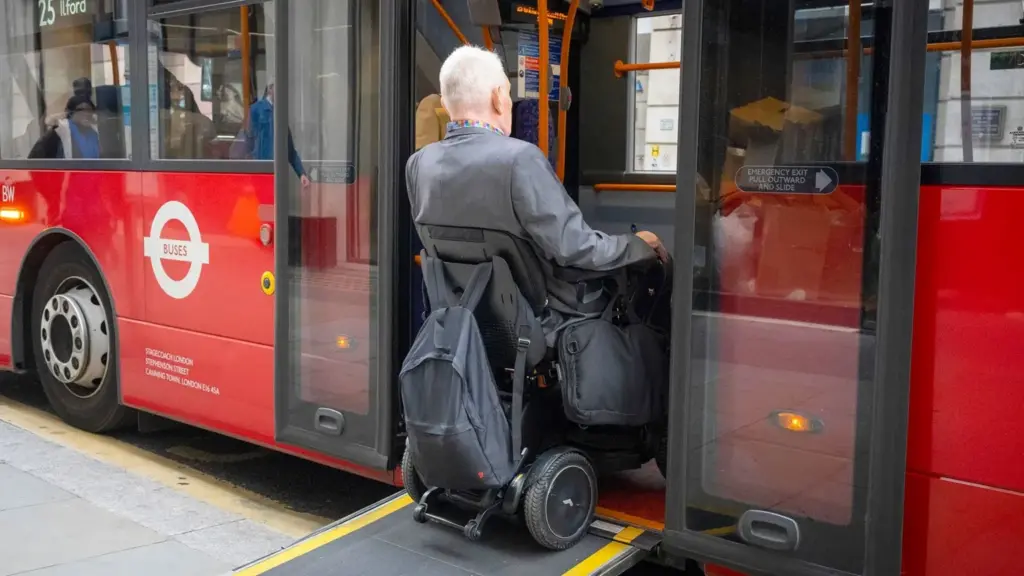
Starting April 1, disabled people across England will be able to travel by bus for free at any time of day, marking a monumental shift in national public transit policy. Previously, free bus passes were restricted to off-peak hours on weekdays—specifically between 09:30 and 23:00. This historical time restriction made it exceptionally difficult for pass holders to commute to standard morning jobs, secure early shifts, or attend late-night cultural, social, and civic events. By removing these time limits entirely, the policy will benefit an estimated one million people nationwide, instantly transforming the local bus network from a limited daytime convenience into a true full-time lifeline.
The groundbreaking policy follows a highly successful trial conducted within Greater Manchester’s integrated public transport network, known locally as the "Bee Network." That regional pilot demonstrated the immense social and economic value of unrestricted travel access, proving that removing time barriers empowers disabled citizens to participate more fully in the workforce and community life. Furthermore, the nationwide expansion directly responds to years of persistent campaigning by prominent disability rights organizations, including Scope and Transport for All. Advocates have widely celebrated the government’s move, praising it for eliminating an unfair "postcode lottery," a fragmented system where the validity of a disabled person’s bus pass previously depended entirely on inconsistent local municipal rules and geographical boundaries.
Despite the widespread celebration, advocacy organizations emphasize that this reform is only the first major step toward true transit equality. Disability groups note that eligibility requirements across different local regions still require broader standardization to ensure that vulnerable residents receive equal treatment regardless of where they happen to live in the country. To make the ambitious program permanent and financially sustainable, the £60 million scheme is being jointly funded through the Department for Transport and the Department for Work and Pensions. Government officials have framed the sweeping reform as an essential workforce and cost-of-living initiative, aligning it with existing transit measures such as the nationwide £2 single-fare cap. With this implementation, England brings its public transit framework in line with similar 24/7 concessionary transit programs that have successfully operated in Scotland and Wales for years.

Global Takeaways: How Other Countries Can Make Accessible Commuting Possible
Making daily commuting accessible and affordable for disabled citizens requires a careful combination of intelligent policy design, reliable digital systems, and targeted public investment. Transportation analysts and urban planners worldwide are closely watching the United Kingdom’s latest policy shift to understand how nationwide equity can be achieved in complex transit landscapes.
Why Was the UK Able to Do It?
The ability of the United Kingdom to enact this comprehensive national policy stems from a unique convergence of sustained public advocacy, localized pilot programs that proved economic viability, and direct central government intervention. By bridging funding streams across multiple government departments—specifically the Department for Transport and the Department for Work and Pensions—the state was able to absorb the financial impact that local authorities previously struggled to manage independently. The success of regional initiatives, such as Greater Manchester’s Bee Network trial, provided the empirical evidence needed to convince skeptical policymakers that opening buses to 24/7 free travel would yield massive societal returns without overwhelming municipal budgets. Furthermore, the relentless pressure applied by organized disability charities kept the issue at the forefront of the national legislative agenda, transforming what was once viewed as a localized concession into a fundamental matter of civil rights and workforce participation.
Does It Depend on Existing Infrastructure?
Yes, heavily. Free transit passes only work if the public transport network is physically and technologically accessible to begin with. Without foundational investments in physical infrastructure, free fare policies risk becoming an empty promise for wheelchair users, visually impaired travelers, and individuals with other mobility challenges. Modernizing a transit network requires deploying low-floor buses equipped with functional boarding ramps, implementing reliable audio-visual next-stop announcement systems, and maintaining step-free station access at key transit hubs. Additionally, digital integration plays a vital role, ensuring that ticketing systems, real-time arrival information, and customer support channels are fully accessible to passengers with diverse sensory and cognitive needs. When physical barriers and technological hurdles persist, the financial benefit of a free pass is severely undermined, highlighting why infrastructure modernization must go hand in hand with fare reform.
What Is Needed to Make Commuting Affordable for People with Disabilities?
Achieving true affordability and accessibility in public transportation requires a holistic approach that extends well beyond simply waiving ticket prices. First and foremost, governments must establish standardized, nationwide eligibility frameworks to eradicate regional disparities and eliminate the frustrating postcode lottery that forces disabled individuals to navigate varying rules whenever they cross municipal borders. Second, dedicated public funding must be secured and sustained through high-level government coordination, ensuring that local transit operators are adequately compensated for concessionary travel without having to cut essential services or raise fares for other riders. Third, transit authorities must actively engage with disability rights organizations and regular commuters to continuously identify service gaps, refine operational policies, and adapt to the evolving needs of the community. By combining universal fare concessions with robust physical infrastructure and standardized legal protections, governments can create transit systems that genuinely empower disabled citizens to live, work, and travel independently.