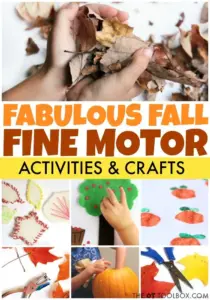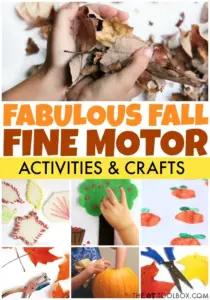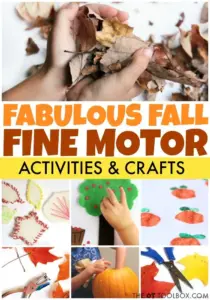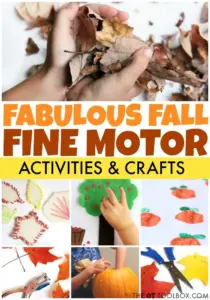








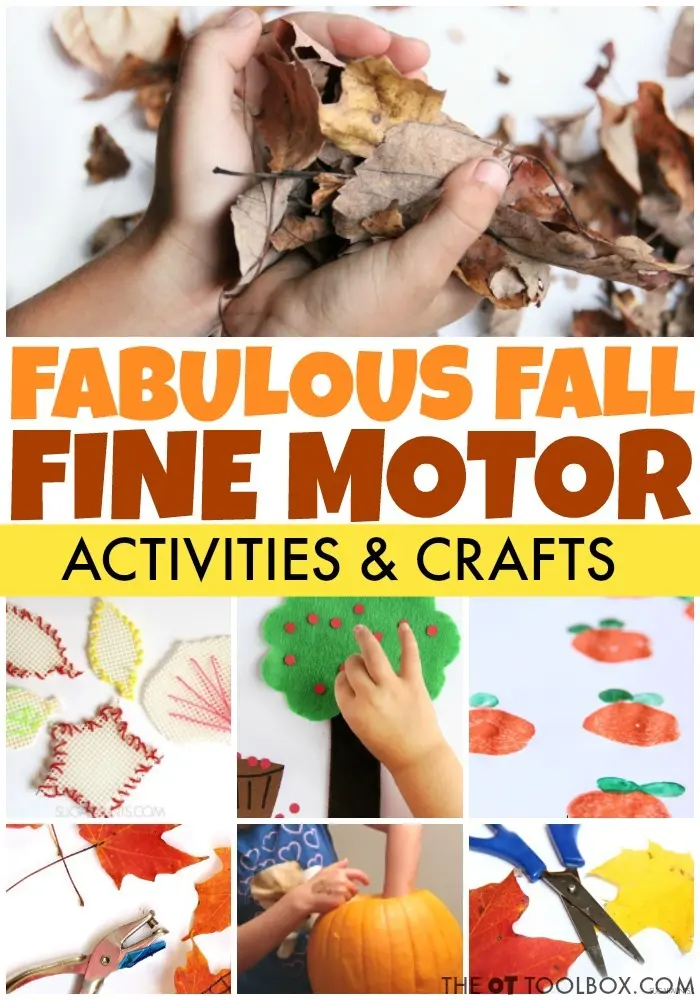
As the autumn air turns crisp and the foliage transforms into vibrant shades of amber and crimson, pediatric occupational therapists, educators, and parents are welcoming a seasonal shift in how children develop crucial physical skills. Rather than selecting autumn crafts and sensory play simply for their festive appeal, pediatric specialists are increasingly leveraging seasonal themes—including apples, pumpkins, leaves, and acorns—to deliberately target specific fine motor deficits.
A comprehensive framework developed for pediatric therapy highlights how familiar autumn materials can address essential developmental domains, such as hand strength, finger dexterity, scissor proficiency, visual-motor integration, and handwriting fluency. By transforming everyday seasonal items into therapeutic modalities, professionals can maintain high engagement while addressing complex clinical targets.
The rationale behind using seasonal motifs extends far beyond simple classroom decoration. Occupational therapists note that many autumn-themed tasks naturally incorporate the precise movements required for daily functioning, such as manipulating clothing fasteners, opening containers, and establishing an efficient tripod grasp for writing.

Targeting Hand Strength Through Seasonal Play
Hand weakness can significantly impede a child’s academic and functional independence, affecting everything from using scissors to managing school supplies. To combat this, therapists utilize resistive materials that challenge the intrinsic muscles of the hand without feeling like clinical work.
Apple-themed geoboards, for instance, require children to stretch thick rubber bands across wooden pegs. This action delivers crucial resistance to the fingers and hands while demanding precision and controlled release, simultaneously fostering bilateral coordination and motor planning. Similarly, classic play dough activities offer a tactile sensory challenge rich in proprioceptive feedback. When children roll, squeeze, pinch, and press autumn-colored dough—especially when searching for hidden items like miniature leaves or beads—they actively engage in finger and grip strengthening exercises.
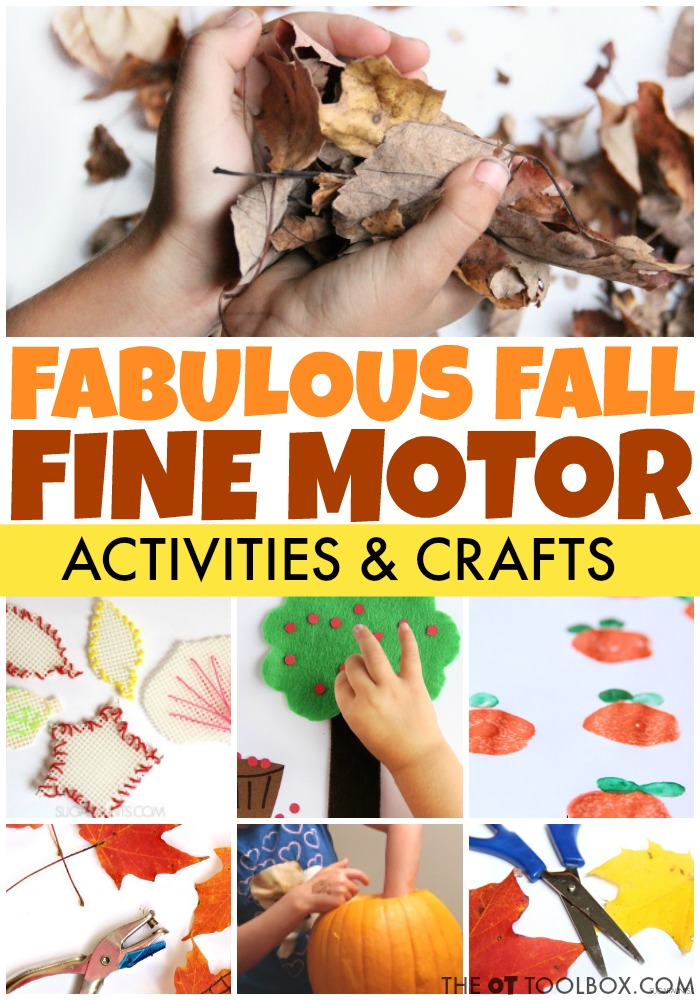
Another staple of clinical toolboxes is the humble hole puncher. By having children punch decorative holes around the perimeter of printed apple shapes or genuine fall leaves, therapists can promote sustained hand force and gross grasp development while integrating a visual-motor tracking component.
Enhancing Manual Dexterity and Precision
Dexterity relies on the coordinated, efficient movement of the fingers for small, precise tasks. When these skills break down, children often struggle with speed, accuracy, and object manipulation. Autumn provides an abundance of natural and craft manipulatives—such as pom-poms, seeds, mini erasers, and paper clips—that turn basic sorting and counting exercises into advanced finger-manipulation drills.
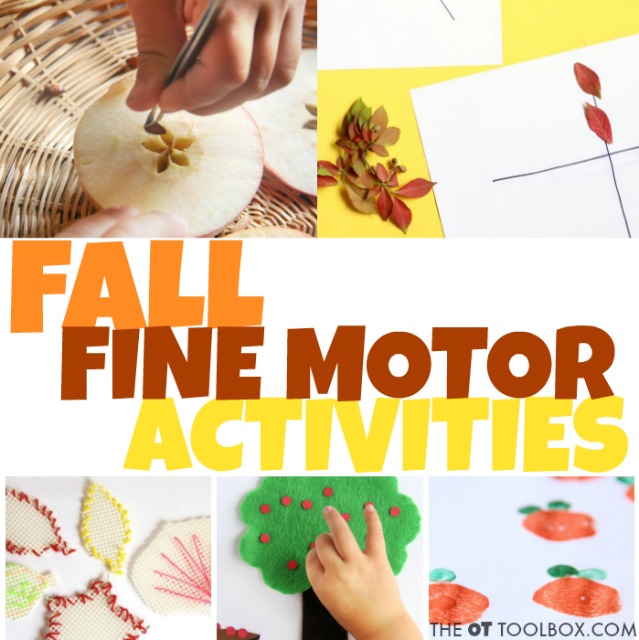
Using tongs or tweezers to transfer fall-colored pom-poms into divided trays forces children to refine their pincer grasp and graded force production. Similarly, apple-themed paper clip counting activities require precise fingertip control. As children attach metal paper clips to laminated counting cards, they practice bilateral hand use, with one hand stabilizing the material while the other executes the fine-motor placement. Geoboard variations featuring autumn tree graphics further encourage children to manipulate rubber bands using their fingertips rather than relying on whole-hand grasps.
Refining Scissor Proficiency and Bilateral Integration
Scissor skills represent a complex milestone requiring the two hands to perform entirely distinct tasks simultaneously. While the dominant hand opens and closes the scissors along a designated visual path, the non-dominant supporting hand must stabilize, rotate, and adjust the paper.
Specialized apple-cutting practice sheets and seasonal farm-themed crafts provide structured pathways for children to develop these bilateral skills. Beyond paper cutting, gathering genuine fallen leaves allows children to experience tactile feedback while snipping foliage into fine pieces or cutting around natural contours. Cut-and-paste crafts elevate these demands even further by incorporating executive functioning components. Children must not only cut out shapes but also visually determine spatial orientation, follow a multi-step assembly sequence, and accurately apply adhesive.
Integrating Visual-Motor and Writing Skills
A child may possess adequate hand strength and dexterity yet still struggle when a task requires them to coordinate visual input with manual output. Autumn offers numerous avenues to bridge this gap through directed drawing, pattern blocks, and seek-and-find activities.
Directed drawing exercises featuring pumpkins, acorns, and leaves prompt children to analyze a visual model, determine spatial boundaries, and replicate lines with a pencil or crayon. Pattern block designs further reinforce visual discrimination and spatial awareness as children select, orient, and position geometric pieces. Meanwhile, fall-themed "I Spy" pages encourage visual scanning, figure-ground perception, and sustained attention, particularly when paired with a physical marking tool like a clothespin.
Writing mechanics are similarly addressed through structured writing prompts tailored to various developmental stages. Rather than practicing isolated alphabet letters, emerging and developing writers engage in meaningful composition tasks centered around seasonal themes, allowing clinicians to target line awareness, spacing, and letter formation within a single flexible framework.
Flexible Resources for Professional Practice
As clinicians and educators prepare their seasonal curricula, access to ready-to-use, adaptable materials remains vital. Professional memberships and specialized pediatric toolboxes continue to supply printable templates, sensory guides, and structured activity frameworks designed to meet diverse caseload needs. By embedding targeted physical therapy goals into the rich sensory experiences of the autumn season, professionals can effectively support foundational motor development while celebrating the changing year.