





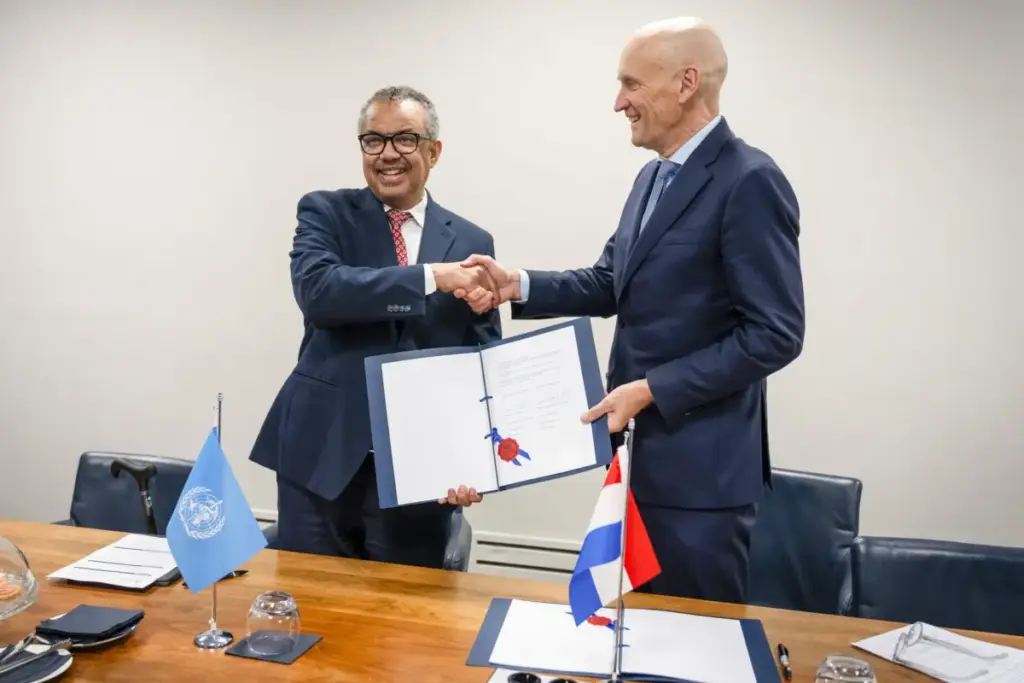
The Netherlands has further cemented its status as a cornerstone of global public health by renewing its long-standing strategic partnership with the World Health Organization. In a formal agreement finalized on Monday, the Dutch Ministry of Health, Welfare and Sport committed a multi-annual contribution of €13.34 million to the WHO for the period spanning 2024 to 2028. Alongside this core commitment, the Netherlands allocated an additional €6 million to strengthen technical partnerships through Dutch WHO collaborating centres, reinforcing a relationship built on decades of mutual cooperation, shared public health goals, and steadfast financial backing.
This latest financial package solidifies the Netherlands’ position not only as a key supporter of the WHO’s overarching mission, but crucially as one of the organization’s leading donors of flexible and predictable resources. In an international funding landscape heavily reliant on tightly earmarked grants, flexible funding is widely regarded by public health experts as essential. It provides the WHO with the operational agility required to respond swiftly and decisively to sudden health crises, deploy emergency resources where they are needed most, and allocate funds strategically across various global health initiatives without administrative bottlenecks.
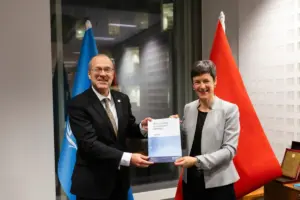
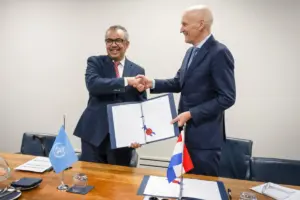
The agreement was signed during a high-level meeting attended by WHO Director-General Dr. Tedros Adhanom Ghebreyesus and then-Dutch Minister of Health, Welfare and Sport Ernst Kuipers. Speaking at the signing ceremony, Dr. Tedros underscored the critical importance of the partnership at a time when global health systems face an unprecedented convergence of intersecting crises.
"Amid increasingly complex and connected threats, from pandemics and climate change to conflicts, the Netherlands remains an essential supporter of WHO and global public health," Dr. Tedros stated. He emphasized that the Ministry of Health, Welfare and Sport’s renewed contribution directly reflects the nation’s deep-rooted commitment to international cooperation. Furthermore, he noted that the agreement strongly aligns with the push for sustainable financing championed by WHO Member States, ensuring the organization can continue safeguarding health populations globally, including within the Netherlands itself.
Echoing these sentiments, Minister Kuipers highlighted the mutual value of the alliance and the alignment of strategic priorities between the Dutch government and the United Nations health agency. "The Netherlands values our strong and long-standing relationship with WHO," Kuipers remarked. "Given the global challenges we collectively face, and the added value the Netherlands can deliver, we believe this renewed arrangement with long-term flexible funds well represents our commitment to advancing health worldwide."
Kuipers explained that the newly secured funds will be channeled directly toward achieving shared priorities outlined in the WHO’s General Programme of Work. Additionally, the investment will facilitate the vital secondment of Dutch technical experts to the organization and provide robust operational support to the network of Dutch WHO collaborating centres, which serve as hubs of scientific excellence and innovation.

This funding renewal follows closely on the heels of the launch of the Dutch Global Health Strategy 2023-2030, a comprehensive framework that recommits the Netherlands to being a leading voice on the international health stage. The strategy sets out an ambitious vision to simultaneously strengthen domestic health systems and bolster capacities worldwide. It places particular emphasis on pandemic preparedness and response, addressing the health impacts of climate change, and ensuring that vulnerable populations are not left behind in global health development.
For many years, the Dutch Ministry of Health, Welfare and Sport has been a vital engine behind numerous WHO initiatives. Its financial and technical contributions have historically powered programs designed to enhance global health security, build local capacities for health emergency management, combat the escalating threat of antimicrobial resistance, promote equitable access to essential medicines, and advance food safety, tobacco control, and mental health services.
By expanding this partnership, the Netherlands and the WHO are deliberately broadening their joint scope to tackle emerging frontier challenges, most notably the compounding health crises driven by climate change. The growing scientific consensus surrounding the interconnection between environmental degradation and human health has made it clear that climate change poses a fundamental threat to decades of hard-won global health progress. Through their renewed collaboration, the Netherlands and the WHO aim to build healthcare infrastructure that is climate-resilient and environmentally sustainable, while actively integrating health considerations into broader international and domestic climate policies.
The scope of Dutch support extends far beyond the newly announced figures, touching nearly every pillar of modern public health. The Netherlands routinely funds crucial, life-saving activities in areas such as sexual and reproductive health, water, sanitation and hygiene, mental health interventions in acute humanitarian emergencies, emergency preparedness, tuberculosis eradication, One Health initiatives, primary health care, and the ongoing fight against antimicrobial resistance. This comprehensive funding portfolio also facilitates deep institutional cooperation between top-tier Dutch academic and research institutions and the WHO.
Financial tracking data underscores the sheer scale of this commitment. Between 2022 and 2023 alone, the Netherlands provided a staggering US$ 80 million to the WHO. This total included over US$ 66 million in voluntary contributions, reflecting a high level of trust in the organization’s strategic direction and execution capabilities. Crucially, more than US$ 20 million of that total was delivered in the form of flexible and thematic funding, elevating the Netherlands to the position of the third-largest flexible contributor to the organization globally.
This high proportion of flexible funding is what enables the WHO to maintain its strategic agility, moving beyond rigid donor restrictions to address overlooked crises and innovate in health promotion. As international health systems navigate a volatile and interconnected future, the renewed alliance between the Netherlands and the WHO stands as a model of predictable, partnership-driven multilateralism designed to protect and promote the health and well-being of populations worldwide.