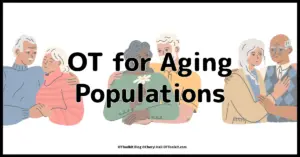








For many professionals in the field of occupational therapy, specializing in the care of older adults is more than just a career path—it is a deeply rewarding vocation that offers a unique perspective on the human experience. As the global demographic landscape shifts, the demand for therapists who can navigate the complexities of geriatric care has reached an unprecedented level. Occupational therapists (OTs) who focus on this demographic are increasingly finding themselves at the forefront of a critical healthcare movement, one that prioritizes the dignity, autonomy, and independence of the fastest-growing age cohort in the United States and across the world.
The demographic shift is impossible to ignore. The population of individuals over the age of 65 is expanding rapidly, a trend that is reshaping public health priorities and community resources alike. Current data reveals a striking geographic reality: in more than 1,400 U.S. counties, older adults now outnumber children. This represents nearly half of all counties in the nation, signaling a fundamental transition in how communities must prepare for the needs of their residents. Amidst this growth, a clear preference has emerged among seniors: the overwhelming majority wish to "age in place." Remaining in their own homes allows older adults to preserve their community ties, hold onto cherished memories, and maintain a level of control over their daily decisions and personal privacy that is often lost in institutional settings. Furthermore, aging in place is frequently a more economically sustainable option compared to the rising costs of traditional senior living facilities.
As this trend toward home-based aging gains momentum, the role of the occupational therapist becomes increasingly vital. For an OT to serve this population effectively, they must move beyond general clinical knowledge and develop a nuanced understanding of the physiological, cognitive, and emotional landscape of aging. Aging is not merely a chronological marker; it is a complex process characterized by a multitude of changes that dictate the trajectory of a successful treatment plan.
From a physical standpoint, the challenges are often multifactorial. Therapists must be prepared to address the degradation of musculoskeletal health, including issues with bones, joints, and muscle mass, as well as the pervasive decline in balance and mobility. Chronic health conditions, which often cluster in older patients, require a sophisticated approach that balances symptom management with functional goals. Additionally, OTs must account for the gradual decline in sensory perception and fine motor skills, which can significantly hinder a patient’s ability to perform routine tasks.
Cognitive health is equally critical. While normal age-related cognitive slowing is common, it is frequently exacerbated by underlying medical issues, complex medication regimens, and nutritional status. Furthermore, as age remains the primary risk factor for mild cognitive impairment (MCI), dementia, and Alzheimer’s disease, therapists must possess the diagnostic awareness to identify early warning signs. Yet, the work is not solely clinical; it is deeply human. While many older adults report experiencing greater happiness and fulfillment in their later years, the cumulative weight of physical and cognitive barriers can significantly impact emotional well-being. The most effective therapists are those who listen actively, acknowledging that their patients’ perceived roadblocks are often the most significant barriers to the occupations that give their lives meaning.
Preparation is the bedrock of successful clinical practice. Equipping oneself with the right assessment tools is essential for gathering the objective data necessary to inform treatment. Organizations such as the American Occupational Therapy Association (AOTA) provide comprehensive resources and quality toolkits that serve as a gold standard for practitioners looking to refine their evaluation process. By utilizing evidence-based assessments, therapists can establish a baseline for their patients’ capabilities, allowing for the creation of targeted interventions that address the specific needs of the individual.
A recurring theme in the lives of older patients is the profound desire to maintain independence in their activities of daily living (ADLs). Helping a patient regain the ability to toilet, dress, bathe, and eat without assistance is a core strength of occupational therapy and remains one of the most rewarding aspects of the profession. Through a combination of specialized techniques, adaptive equipment, and emerging technology, OTs can bridge the gap between a patient’s current limitations and their functional goals.
Beyond basic ADLs, therapists also play a pivotal role in managing more complex instrumental activities of daily living (IADLs), such as medication management, meal preparation, transportation, shopping, and communication. In these areas, the integration of technology has become a game-changer. Modern smart home devices, medication organizers with automated reminders, and digital communication tools can provide a layer of support that allows older adults to navigate their daily responsibilities with greater confidence. These efforts are further bolstered by the implementation of functional strengthening programs, which are meticulously customized to the patient’s physical capacity. By providing support for chronic conditions—such as arthritis, COPD, Parkinson’s disease, and diabetes—OTs ensure that their patients can continue to engage in the leisure and social activities that keep them connected to their communities.
For those providing care in the home health setting, the opportunity to impact patient safety is immense. Occupational therapists are uniquely positioned as experts in environmental modification. Evaluating a home for fall hazards and safety risks is a fundamental service that can prevent life-altering injuries. This often involves a thorough assessment of mobility and balance, leading to the strategic use of assistive aids such as walkers, rollators, canes, or even the installation of stairlifts.
The bathroom remains one of the most hazardous rooms in the home, yet it is also the room where privacy and independence are most highly valued. By recommending practical modifications—such as the installation of grab bars, raised toilet seats, toilet frames, and shower chairs or transfer benches—therapists can drastically reduce the risk of accidents while fostering a sense of security for the patient. Beyond physical modifications, OTs provide guidance on leveraging smart technology to monitor health, improve home safety, and compensate for sensory deficits. Whether it is recommending devices to assist with fine motor tasks like buttoning a shirt or preparing a meal, or implementing strategies to manage low vision, the therapist acts as an architect of the patient’s environment.
Ultimately, the power of occupational therapy lies in its holistic approach. It is a discipline that prioritizes the patient’s voice, placing their personal desires and life goals at the center of the care plan. By viewing the world through the lens of what the patient values most, the therapist can implement the necessary supports to maintain independence and ensure continued participation in the occupations that define their identity. For an aging population, this holistic, person-centered philosophy is not just a clinical strategy—it is an essential component of a high quality of life. As the demand for these services continues to rise, the role of the occupational therapist will only grow in importance, providing a vital link between the medical needs of the aging population and their enduring desire to live life on their own terms.