




As the midterm elections approach, a coalition of prominent advocacy groups and legal organizations has released a comprehensive new voting guide specifically designed to help people with developmental and cognitive disabilities understand and assert their rights at the polls.
The newly updated resource comes from the Bazelon Center for Mental Health Law, the National Disability Rights Network, and the prominent law firm McDermott Will & Schulte. Spanning 88 pages, the detailed document focuses on protecting the fundamental voting rights of individuals with autism, intellectual disabilities, mental health conditions, and various other cognitive challenges as they prepare to participate in the democratic process.
The guide addresses critical issues facing voters with cognitive and developmental disabilities, including the complex role of guardianship, legal pathways to keep or restore an individual’s right to vote, and the specific protocols for obtaining assistance while casting a ballot. It also features a thorough breakdown of individual state voter competency laws, alongside practical information detailing how citizens and their supporters can advocate for voting rights during guardianship proceedings or through broader legislative channels at the state level. Additionally, the document includes a concise, portable fact sheet that voters with disabilities can bring directly with them to their polling places as a handy reference.

Designed as an inclusive resource, the guide is aimed at a wide audience that encompasses people with disabilities themselves, their family members, dedicated advocates, direct service providers, and various other community stakeholders invested in accessible elections.
Jennifer Mathis, deputy director of the Bazelon Center for Mental Health Law, emphasized the profound importance of the project in the context of American democracy and civil rights.
"Voting is in many ways the most fundamental of rights, as it is the pathway for people to secure all other rights," Mathis said. "We want to make sure people with disabilities have the tools they need to be able to exercise their right to vote."
While the guide highlights robust federal protections safeguarding the ballot access of individuals with disabilities—including landmark legislation such as the Americans with Disabilities Act and Section 504 of the Rehabilitation Act—it also issues a cautionary note. The document warns that, in various instances across the country, local election officials and even disability service providers have historically utilized their own subjective competency requirements or misinterpretations of the law to improperly keep people with disabilities from casting their votes.
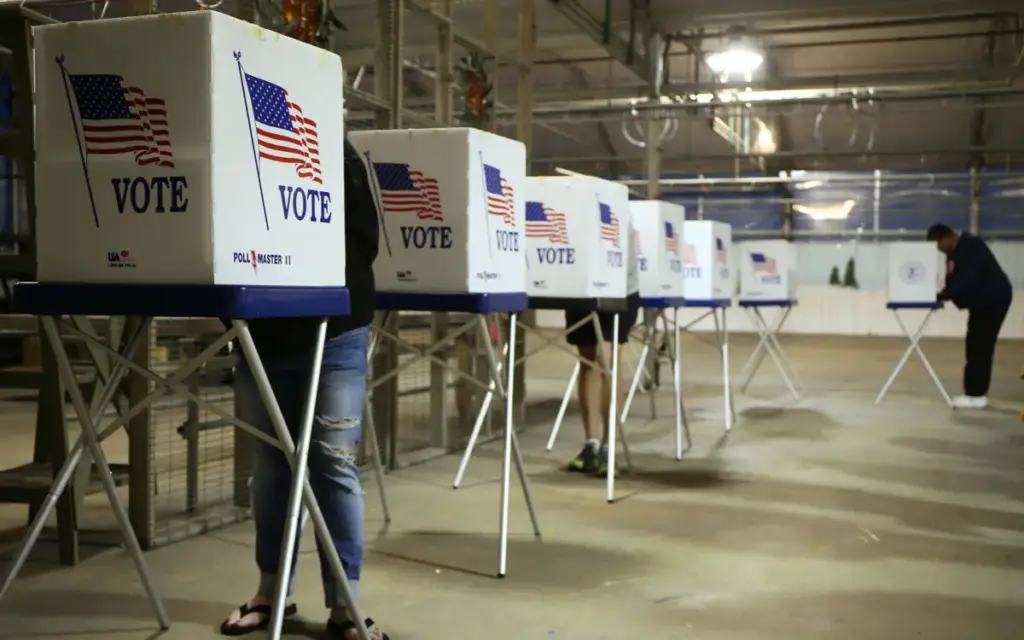
To combat these barriers, the guide outlines clear parameters regarding assistance at the polling place. Voters with disabilities maintain the legal right to receive help from a person of their own choosing when navigating the voting process. According to the guidance, individuals providing assistance should clearly explain the instructions for casting a ballot, meticulously follow the personal wishes and preferences of the individual they are assisting, and strictly maintain that person’s right to privacy throughout the voting experience.
Furthermore, the advocacy groups stress that if a voter’s eligibility or right to vote is challenged at the polling place, they are still legally entitled to cast a provisional ballot. In such scenarios, an election worker or local election board will subsequently decide at a later time whether or not that provisional vote should officially be counted, ensuring that voters have due process rather than being summarily turned away at the door.