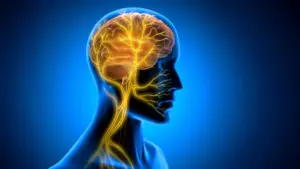






A groundbreaking new study conducted by researchers at UCLA Health has unveiled a compelling connection between the composition of the human gut microbiome and the biological pace at which the brain ages. The findings suggest that the microscopic world residing within our digestive systems may play a far more significant role in cognitive health than previously understood, offering a window into biological shifts that potentially begin decades before the onset of noticeable memory loss or cognitive decline.
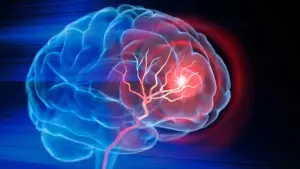
For years, neuroscientists have utilized advanced brain imaging to calculate a "brain age"—a metric that evaluates the biological health of the brain compared to an individual’s actual chronological age. While it is common for a person’s brain age to deviate from their birth year, a significant gap—where the brain appears older than it should—has long been linked to various clinical concerns, including diminished memory, reduced executive function, and increased susceptibility to mood disorders. However, the majority of existing literature on this topic has been heavily skewed toward populations already experiencing advanced age or those suffering from established neurological pathologies. This left a crucial void in scientific understanding: does the phenomenon of an "older-looking" brain hold clinical significance for younger, ostensibly healthy adults?
The study, published in the journal eBioMedicine, sought to address this gap by examining the brain scans of nearly 1,500 participants across three distinct cohorts. By leveraging sophisticated imaging techniques, the research team was able to measure the complex, interconnected communication patterns between different regions of the brain while subjects were in a state of rest. These neural networks provided the raw data for a custom computer model, which was designed to estimate an individual’s age based solely on these internal connectivity signatures. By subtracting this estimated brain age from the participants’ chronological ages, the researchers derived what they termed the "Brain Aging Index" (BAI).

The results of the study revealed a consistent trend across all three participant groups: individuals who exhibited a higher Brain Aging Index—meaning their brain scans suggested they were biologically older than their chronological years—consistently underperformed on standardized tests of cognitive ability. Specifically, these participants showed deficits in working memory and executive function. These cognitive domains are essential for the activities of daily life, encompassing the ability to hold information in temporary storage, maintain focus amidst distractions, and effectively plan and organize complex tasks.
Furthermore, the data indicated a link between an accelerated Brain Aging Index and the prevalence of depressive symptoms. The researchers noted that these patterns of accelerated aging were most frequently observed in specific brain regions known to be critical for memory processing and self-referential thought—the complex internal mental processes that allow individuals to reflect on their own experiences, identity, and personal history. The correlation between these localized brain changes and the subjective experience of mood-related symptoms provides a new layer of insight into how subtle shifts in neural architecture may manifest as psychological distress.
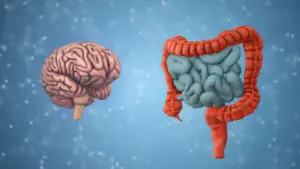
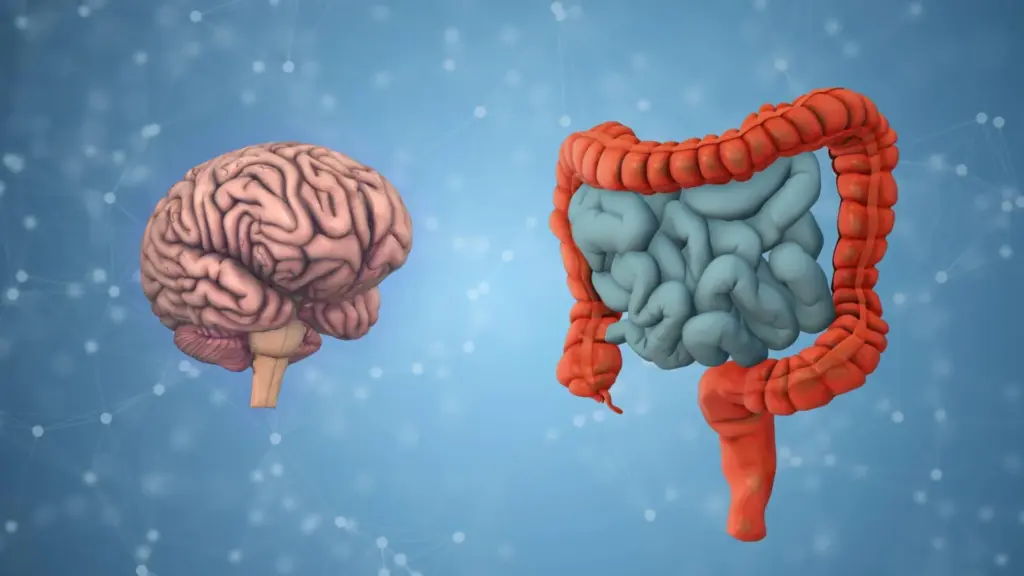
Perhaps the most innovative aspect of the UCLA Health study lies in its exploration of the gut-brain axis. In one of the study’s cohorts, researchers went beyond brain imaging to collect and analyze stool samples, aiming to determine if the differences in the Brain Aging Index could be physically mapped to the microbial environment of the gut. The findings were striking: a higher Brain Aging Index was consistently associated with the presence of specific gut bacteria and a unique profile of metabolic byproducts. Among these byproducts were distinct fat molecules, a cholesterol-related compound, and notably lower levels of estetrol, a hormone that has previously been the subject of investigation for its potential neuroprotective properties.
The researchers identified that the biological pathways influenced by these gut-derived signals are deeply involved in fundamental physiological processes. These include the regulation of the immune system, the maintenance of blood vessel health, the efficiency of inter-cellular communication within the brain, and the complex metabolic processes that cells utilize to generate the energy required for survival and function. The intersection of these systems suggests that the gut microbiome may act as a systemic regulator, influencing the speed at which the brain undergoes structural and functional changes over time.
Dr. Arpana Church, the study’s senior author and co-director of the Goodman-Luskin Microbiome Center at UCLA Health, emphasized the importance of these findings in shifting the paradigm of how we view cognitive health. "Brain aging doesn’t suddenly begin when we get older, but the biological signals may be detectable decades earlier," Dr. Church explained. "By linking these early brain changes with the gut microbiome and its metabolites, we are beginning to identify pathways that could ultimately help us understand who may be at risk and, importantly, where we might intervene to support healthier brain aging. This ultimately opens the door to exploring whether targeting gut health could one day support healthier brain aging."
The implications of this research are far-reaching, particularly regarding the timing of medical interventions. By identifying markers of brain aging in younger, asymptomatic individuals, clinicians may eventually be able to flag those at a higher risk for cognitive or mood-related decline long before the clinical manifestations become severe. The study suggests that the gut could eventually be positioned as a primary target for preventative medicine. If the composition of the gut microbiome is indeed a modifiable factor in the pace of neural aging, future healthcare strategies might prioritize gut health—through diet, probiotics, or other therapeutic interventions—as a cornerstone of long-term brain health and cognitive preservation.
As researchers look toward the future, the study serves as a foundational step in understanding the multi-directional communication that occurs between the gut and the brain. While the current findings establish a strong association between microbial metabolic profiles and brain age, future research will likely focus on determining the causal mechanisms behind these relationships and testing whether targeted changes to the microbiome can effectively slow the rate of brain aging in human populations.
For now, the UCLA study provides a clearer picture of the biological continuum of aging, suggesting that the path to a healthier brain may, in part, begin in the gut. By bridging the gap between microbiology and neurology, this work offers a novel perspective on human health, highlighting the complex, interconnected nature of the body’s systems and reinforcing the idea that the preservation of cognitive function may require a holistic approach to wellness that spans decades of a person’s life.