






For many speech-language pathologists, parents, and educators, the /r/ sound represents one of the most significant hurdles in pediatric speech therapy. Characterized by its complexity and the subtle, often invisible tongue positioning required to produce it correctly, the /r/ sound frequently serves as a point of frustration for children and teens working toward clear articulation. Addressing this challenge, a new initiative has been launched to provide clinicians and caregivers with a comprehensive toolkit designed to demystify the process and improve therapeutic outcomes.
The inherent difficulty of the /r/ sound lies primarily in its hidden mechanics. Unlike sounds such as /p/ or /b/, where the articulators—the lips, teeth, and tongue—make contact in a visible way, the /r/ sound relies on internal tongue tension and precise placement that is difficult for a child to observe or mimic through simple imitation. Because the sound is so abstract, traditional methods of "just listen and repeat" often prove insufficient, leaving many students feeling discouraged as they struggle to bridge the gap between effort and accurate production.
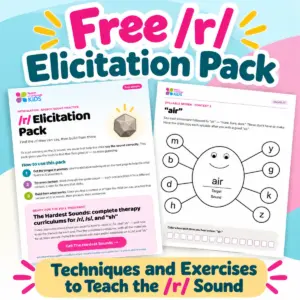
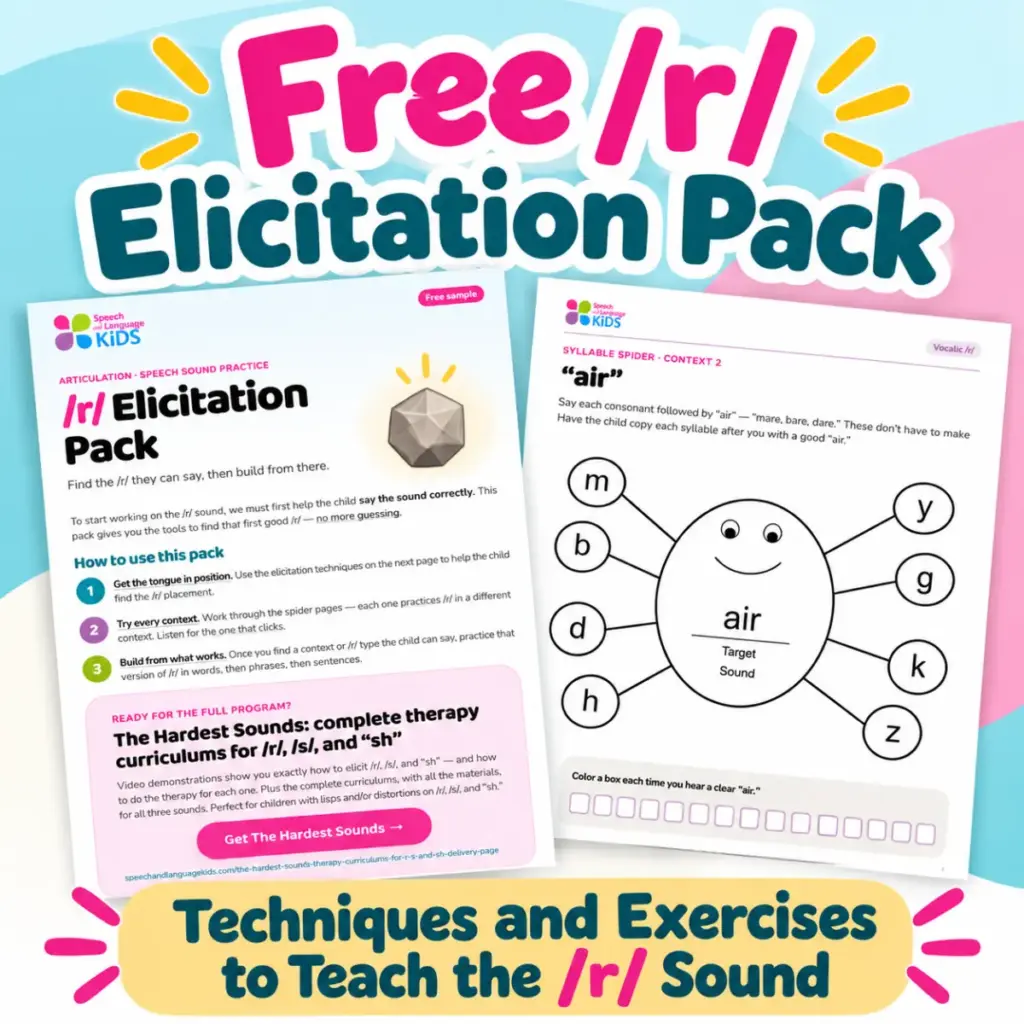
To bridge this clinical gap, a newly released "Free /r/ Elicitation Pack" has been developed to provide a structured approach to the initial stages of therapy. The fundamental philosophy behind this resource is that sound production must be established in isolation before it can be integrated into words, phrases, or conversational speech. By focusing on the elicitation phase—the process of helping a student find the correct tongue position and tension for the sound on its own—practitioners can build a solid foundation that supports long-term success.

The /r/ Elicitation Pack serves as an essential bridge, moving away from guesswork and toward a more systematic, technique-driven approach. It provides a variety of exercises designed to help the learner manipulate their articulators in a way that generates the desired sound. By utilizing these specialized techniques, therapists and parents can provide the precise guidance a student needs to "feel" the sound, which is often more effective than attempting to explain the technical physics of speech production to a younger audience.

The release of these materials comes at a time when the demand for accessible, high-quality speech therapy resources is at an all-time high. With many families seeking ways to support their children’s development at home, the availability of professional-grade elicitation tools allows for a more cohesive therapeutic experience that extends beyond the clinic walls. The inclusion of video demonstrations accompanying these resources offers a visual component that is vital for understanding the nuances of tongue placement, as it allows users to see the techniques in action rather than relying solely on written instructions.
While the /r/ sound is frequently cited as the most difficult to remediate, it is rarely the only challenge a student faces. Recognizing that speech development is rarely a one-size-fits-all process, the initiative has also expanded to include a broader curriculum titled "The Hardest Sounds." This comprehensive program specifically targets the /r/, /s/, and "sh" sounds, which together constitute some of the most common articulation errors encountered in both school-based and private practice settings.
The rationale behind grouping these particular sounds lies in their shared complexity. Each of these phonemes requires a high level of coordination and specific placement that can be elusive for many children. The "Hardest Sounds" curriculum provides a tiered, structured path for learners, ensuring that they move through the developmental process with a clear sense of progression. By treating these sounds as part of a cohesive program, the curriculum aims to reduce the time spent in therapy while maximizing the retention of correct speech patterns.
The professional community has long noted that the transition from sound elicitation to consistent usage is often where progress stalls. Without a structured program, students may successfully produce a sound during a clinical session but struggle to generalize that success into their daily communication. The "Hardest Sounds" curriculum addresses this by providing a framework that guides the learner from the initial sound production through to conversational mastery. This approach is particularly beneficial for practitioners who need a reliable, evidence-based roadmap to track progress and adjust their strategies based on the individual needs of the child.

Furthermore, the integration of these materials into a home-based setting is a key feature of this new curriculum. By providing parents with the same tools and language used by professionals, the program empowers families to act as active participants in the therapeutic process. This continuity between school, therapy, and home is widely considered to be a major factor in the speed and efficacy of speech correction. When a child receives consistent feedback using the same terminology and techniques across all environments, they are better equipped to overcome the habits that often hinder clear articulation.
The educational design of these resources emphasizes clarity and accessibility, ensuring that those without a formal background in speech-language pathology can still provide meaningful support. By breaking down complex phonetic concepts into manageable exercises, the curriculum minimizes the intimidation factor often associated with specialized speech therapy. This makes it an invaluable resource not only for speech-language pathologists looking to enhance their practice but also for educators and parents who are dedicated to helping a child achieve clear, confident communication.
As the field of speech-language pathology continues to evolve, the focus is increasingly shifting toward resources that are both highly specialized and broadly accessible. The launch of the /r/ Elicitation Pack and the broader "Hardest Sounds" curriculum reflects this trend, providing a bridge between the highly technical requirements of articulation therapy and the practical, day-to-day needs of students and their families. By prioritizing the elicitation of sounds in a structured and supported manner, these resources offer a path forward for children who have previously struggled to find their voice.
The impact of these tools is expected to be significant, as they provide a clear, actionable methodology for tackling some of the most persistent challenges in speech development. For the child or teen struggling to master the /r/ sound, the availability of these techniques means more than just a new set of worksheets; it represents a more direct and efficient route to improved speech, greater self-confidence, and better communication skills that will serve them throughout their lives. As these resources become more widely used, they will likely become a staple in the toolkit of anyone committed to supporting children through the often-difficult journey of speech development.