








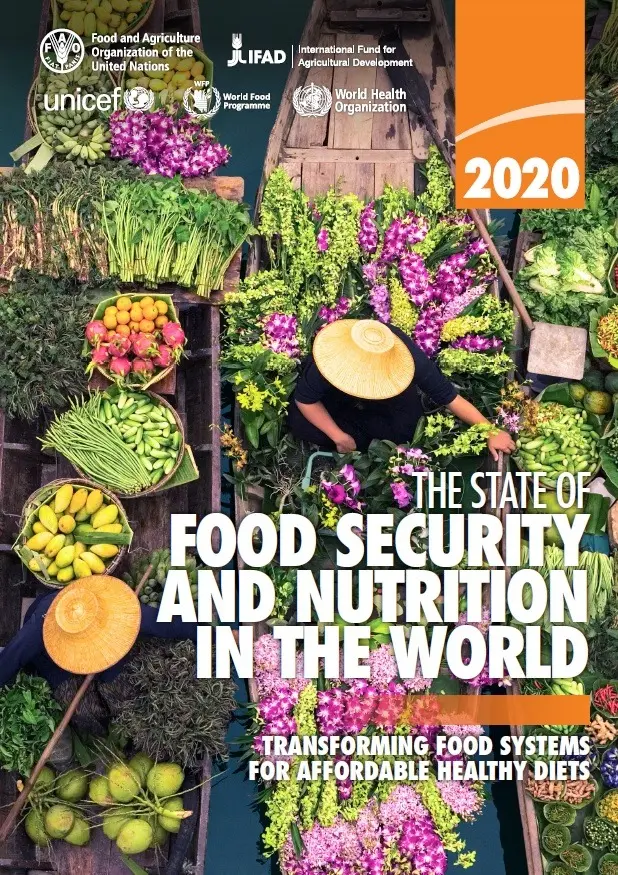
ROME – The global effort to eradicate hunger is losing momentum, with the latest annual study from the United Nations revealing a sobering reality: the number of people suffering from chronic undernourishment is on a steady, dangerous incline. According to the latest edition of The State of Food Security and Nutrition in the World, tens of millions of people have joined the ranks of the hungry over the past five years, a trend that threatens to derail the international community’s commitment to achieving "Zero Hunger" by 2030.
The report, which serves as the most authoritative global assessment of food security, highlights a multifaceted crisis where rising absolute numbers of hungry people are compounded by the skyrocketing cost of nutritious food. Published today, the document is a collaborative effort by the Food and Agriculture Organization of the United Nations (FAO), the International Fund for Agricultural Development (IFAD), the United Nations Children’s Fund (UNICEF), the UN World Food Programme (WFP), and the World Health Organization (WHO).
The Hunger Numbers Explained
The latest data indicates that approximately 690 million people experienced hunger in 2019. While this figure reflects a statistical adjustment—partially due to updated data from populous nations like China—the underlying trend remains unequivocally negative. After decades of steady decline, chronic hunger began a slow, persistent climb in 2014. When looking at the historical series dating back to the turn of the millennium, it is clear that the world is moving in the wrong direction.
The geographical distribution of this hunger remains concentrated, with Asia home to the largest number of undernourished people, totaling 381 million. Africa follows with 250 million, while Latin America and the Caribbean account for 48 million. Although the global percentage of hungry people—the prevalence of undernourishment—remains relatively stable at 8.9 percent, the absolute numbers have risen in step with global population growth since 2014.
Regional disparities, however, tell a more alarming story. Africa is currently the hardest-hit region, with 19.1 percent of its population suffering from undernourishment—a rate more than double that of Asia (8.3 percent) and Latin America and the Caribbean (7.4 percent). Current projections suggest that if these trends continue, Africa will be home to more than half of the world’s chronically hungry population by 2030.
The Pandemic’s Toll
The emergence of the COVID-19 pandemic has acted as an accelerant, exposing and intensifying the existing vulnerabilities within global food systems—the intricate web of activities and processes that govern the production, distribution, and consumption of food. While it remains too early to measure the full, long-term impact of global lockdowns and containment measures, the UN report provides a grim forecast.
Estimates suggest that the economic recession triggered by the pandemic could tip at least an additional 83 million people into chronic hunger by the end of 2020. In worst-case scenarios, this figure could climb as high as 132 million. These projections account for the massive drops in global GDP and the subsequent loss of livelihoods that have rendered food increasingly inaccessible for the world’s most vulnerable populations. The pandemic has thrown the attainment of the UN’s Sustainable Development Goal 2, which aims to end hunger, into serious doubt.
Unhealthy Diets, Food Insecurity and Malnutrition
The report emphasizes that overcoming hunger is not merely a matter of caloric intake. Survival is a low bar; the true challenge lies in ensuring that what people eat is nutritious. The study finds that a significant obstacle to global health is the high cost of nutritious food and the low affordability of healthy diets for families across all income levels.
A healthy, balanced diet costs significantly more than the international poverty threshold of US$ 1.90 per day. In fact, even the least expensive healthy diet is estimated to be five times more expensive than a diet that merely provides enough starch to fill a stomach. Nutrient-dense foods—including dairy, fruits, vegetables, and both plant- and animal-sourced proteins—remain the most expensive food groups globally.
The consequences of this affordability crisis are profound. It is estimated that more than 3 billion people cannot afford a healthy diet. In sub-Saharan Africa and southern Asia, this impacts 57 percent of the population. However, no region is immune; even in developed nations, economic barriers to healthy food persist.
This nutritional deficit is fueling a dual crisis of malnutrition. In 2019, between one-quarter and one-third of children under the age of five—approximately 191 million children—were stunted or wasted, meaning they were either too short or too thin for their age. Simultaneously, another 38 million children under five were overweight. Among adults, obesity has reached the level of a global pandemic, demonstrating that the failure of food systems to provide healthy, affordable options is a universal problem.
A Call to Action
In the foreword to the report, the heads of the five UN agencies involved—FAO Director-General Qu Dongyu, IFAD President Gilbert F. Houngbo, UNICEF Executive Director Henrietta H. Fore, WFP Executive Director David Beasley, and WHO Director-General Tedros Adhanom Ghebreyesus—issued a stark warning: "Five years after the world committed to end hunger, food insecurity and all forms of malnutrition, we are still off-track to achieve this objective by 2030."
To change this trajectory, the report argues for a systemic transformation of food systems. A shift toward healthier diets could not only check the backslide into hunger but also generate substantial economic and environmental dividends. The report calculates that a global shift toward healthier, sustainable diets could nearly offset the US$ 1.3 trillion in health costs associated with unhealthy eating projected for 2030. Furthermore, such a shift could reduce the social costs of greenhouse gas emissions—estimated at US$ 1.7 trillion—by up to three-quarters.
The proposed solutions require intervention at every stage of the food supply chain. The UN agencies are calling on governments to integrate nutrition into their agricultural policies, reduce inefficiencies in production and storage, and minimize food loss and waste. Crucially, the report highlights the need to support local, small-scale producers to grow and sell more nutritious foods while securing their access to markets.
Governments are also urged to foster behavior change through education, prioritize the nutritional needs of children, and embed nutrition into national social protection systems and investment strategies. While specific interventions will necessarily vary by country, the core objective remains universal: transforming the political economy of food to ensure that healthy, nutritious diets are an accessible reality for everyone.
The leaders of the five agencies have pledged their full commitment to supporting this transition. They emphasize that the necessary transformation must be achieved in a sustainable way, keeping the needs of both people and the planet at the forefront of policy-making. As the world navigates the multifaceted challenges of the 21st century, the message from the UN is clear: the current trajectory is unsustainable, and without immediate, concerted action, the goal of ending hunger will remain beyond reach.