






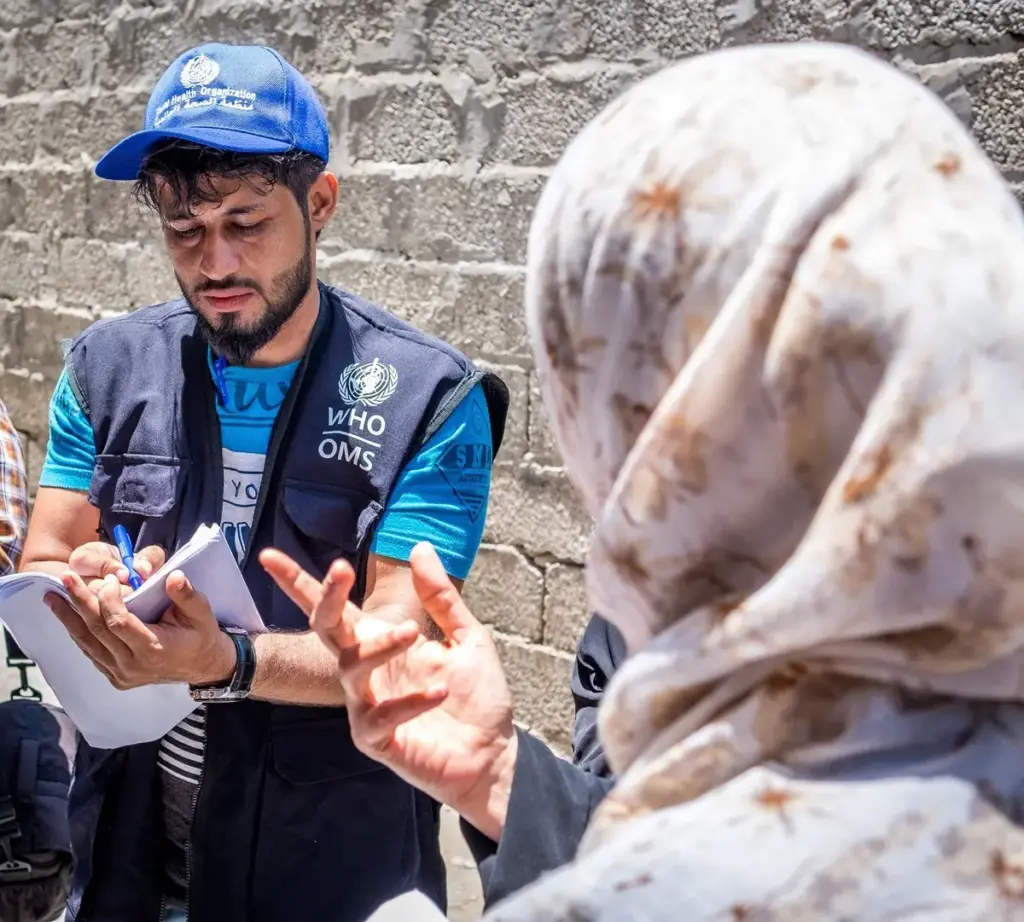
In an era where the rapid flow of accurate information can be the difference between life and death, the World Health Organization (WHO) has officially unveiled the "SCORE for Health Data Technical Package." This initiative represents a critical strategic pivot in the global effort to strengthen health information systems, a move necessitated by the glaring vulnerabilities exposed during the ongoing COVID-19 pandemic. By providing a comprehensive, harmonized framework for collecting and utilizing health data, the WHO aims to empower nations to transition from reactive crisis management to proactive, data-driven health governance.
The COVID-19 pandemic has served as a global stress test for national health infrastructures, revealing that many countries still struggle with a fundamental lack of robust infrastructure for the routine collection of health data. Furthermore, even where data is collected, a significant gap remains in the analytical capacity required to transform that raw information into actionable policy. Without a clear picture of health trends, outbreaks, and resource distribution, governments are often left operating in the dark, unable to effectively target their emergency responses or allocate scarce medical supplies where they are needed most.
"Countries must be able to measure progress to make progress," said WHO Director-General Dr. Tedros Adhanom Ghebreyesus, emphasizing the existential importance of data in the current landscape. "Particularly during COVID-19, reliable data is the best way to coordinate response efforts and improve health in all areas."

The premise behind the SCORE package is that accurate health data is not merely a bureaucratic requirement; it is a vital instrument for saving lives. By understanding the specific needs of a population—whether it is the prevalence of non-communicable diseases, the speed of viral transmission, or the efficacy of maternal health programs—nations can ensure that limited financial and human resources are directed toward the interventions that will yield the greatest impact.
Defining the SCORE Framework
The acronym SCORE stands for Survey, Count, Optimize, Review, and Enable. This technical package is designed to be a unified, harmonized toolkit that addresses all the essential elements required to optimize a national health information system. For many governments, the challenge of building such systems has historically been the lack of a standardized roadmap. By consolidating more than 90 universally accepted tools and standards into a single package, the WHO is offering a streamlined approach to building health information systems that are both resilient and comparable on an international scale.
The release of this package comes as a direct response to the critical data availability challenges highlighted in the WHO’s World Health Statistics 2020 report. The report underscored that without significant investment in statistical systems, the international community would struggle to meet the United Nations’ Sustainable Development Goals (SDGs) and the WHO’s own "Triple Billion" targets—ambitious goals aimed at ensuring billions more people benefit from universal health coverage, are better protected from health emergencies, and enjoy better health and well-being.
The initiative has garnered significant support from the international philanthropic community, specifically through the Bloomberg Philanthropies Data for Health Initiative, which provided the necessary funding and partnership to bring the resource to fruition.
"Using data to inform public health priorities and strategies has never been more important," noted Dr. Kelly Henning, Director of Public Health Programs at Bloomberg Philanthropies. "The SCORE Technical Package provides country governments around the world with high-quality, essential technical guidance so that countries can strengthen their own data systems."
Bridging the Data Gap
The urgency behind this launch is palpable among the senior leadership at the WHO. Dr. Samira Asma, the Assistant Director-General for Data, Analytics and Delivery for Impact at the WHO, has been a vocal advocate for the immediate modernization of national health statistics.
"We must keep score to save lives," Dr. Asma stated during the announcement. "WHO is committed to working with countries and partners to rapidly scale up capacity for data collection and use in order to improve policy and performance. We must act now to invest in statistical systems in countries, respond to this pandemic and meet the SDGs and the Triple Billion targets. Our window of opportunity is closing, and we cannot wait to address data gaps. Data use to address country needs has to be a priority today."
For many countries, the "data gap" is not just about a lack of technology; it is about the need for institutional capacity to ensure that data is disaggregated, allowing leaders to see how health outcomes vary across different demographics, regions, and socioeconomic groups. Country-owned, granular data is viewed as the bedrock of a more resilient and sustainable health system.
The WHO frames the current crisis as both a sobering wake-up call and a unique opportunity. While COVID-19 has exposed the weaknesses of fragmented health information systems, it has also fostered a global environment of increased solidarity and information-sharing. The SCORE package is intended to be a practical, actionable, and flexible tool that allows countries to build back better, ensuring that the health systems of the future are built on a foundation of shared standards and collaborative intelligence.
Moving Toward a Data-Driven Future
The initial release of the SCORE Technical Package includes two foundational documents that serve as the cornerstone for the initiative. These documents provide the guidelines necessary for governments to begin assessing their current information systems and identifying the most critical areas for improvement. However, this is only the first phase of a broader, long-term rollout.
Later this year, the WHO plans to expand the package with the release of the "SCORE Assessment Instrument" and a series of global, regional, and country-level status reports. The Assessment Instrument is designed to help national health authorities benchmark their progress, identifying specific strengths and weaknesses in their data collection and analytical workflows. By comparing these findings against global targets, countries will be able to create more accurate plans for their national and subnational health priorities.
The ultimate goal of the SCORE framework is to move away from the traditional, siloed approach to health information. By adopting these standardized tools, nations will be able to speak a "common language" when it comes to health data, facilitating better cross-border collaboration and allowing the global health community to act with greater speed and precision when the next health threat emerges.
As the world continues to grapple with the multifaceted challenges of the COVID-19 pandemic, the WHO remains focused on the long-term objective of systemic transformation. The SCORE initiative represents a departure from the "business as usual" approach, moving instead toward a proactive model where data is treated as a critical piece of national infrastructure, as essential as hospitals, laboratories, or medical supplies.
The success of this endeavor will ultimately depend on the commitment of individual nations to adopt these tools and integrate them into their domestic policy cycles. By providing a clear, evidence-based roadmap, the WHO is attempting to ensure that no country is left behind, and that the global health community is better equipped to protect the lives and well-being of the world’s population. As the rollout of the SCORE package continues throughout the year, the WHO and its partners will monitor the uptake and effectiveness of these tools, continuing their work to ensure that every government has the analytical capacity to turn information into impact.