







In a major push to modernize how nations track, analyze, and utilize health data, the World Health Organization (WHO) has officially unveiled the "SCORE for Health Data Technical Package." This initiative, announced today, represents a strategic response to the systemic vulnerabilities exposed by the COVID-19 pandemic, aiming to provide countries with a standardized, actionable framework to strengthen their national health information systems. As global health authorities grapple with the complexities of managing a pandemic, the new package arrives as a critical tool for governments tasked with making data-driven decisions in real-time.
The COVID-19 crisis has served as a global wake-up call regarding the fragility of existing health data infrastructure. While the demand for accurate, timely, and reliable information has never been higher, many nations continue to struggle with significant gaps in their ability to routinely collect and interpret health data. These deficiencies often hinder effective emergency responses and prevent the implementation of strategic health interventions. By introducing the SCORE (Survey, Count, Optimize, Review, Enable) Technical Package, the WHO is seeking to bridge the divide between raw data collection and effective public health action.
"Countries must be able to measure progress to make progress," said WHO Director-General Dr. Tedros Adhanom Ghebreyesus. "Particularly during COVID-19, reliable data is the best way to coordinate response efforts and improve health in all areas."

The core philosophy behind the initiative is simple yet profound: accurate health data is a prerequisite for saving lives. Without high-quality data, governments often operate in the dark, unable to identify the specific needs of their populations or effectively allocate scarce resources to the regions and demographics that require them most. The SCORE package is designed to transform this landscape by offering a harmonized, comprehensive suite of tools that assists governments in setting benchmarks and elevating standards across their healthcare sectors.
The acronym SCORE—Survey, Count, Optimize, Review, and Enable—encapsulates the essential pillars of an optimized health information system. For the first time, the WHO has brought together a vast array of universally accepted tools and standards into a single, cohesive resource. This harmonization is intended to simplify the complex task of system strengthening, allowing nations to move beyond fragmented, inconsistent data collection methods toward a more unified and rigorous approach.
The launch of this package comes as a direct response to the critical challenges highlighted in the WHO’s World Health Statistics 2020 report, which identified widespread inadequacies in health data availability and quality. To address these systemic issues, the SCORE package integrates more than 90 universally accepted tools and standards. These resources are intended to provide governments with a clear roadmap to bolster their own domestic data systems, ensuring that they are robust enough to withstand future health shocks.
Dr. Kelly Henning, Director of Public Health Programs at Bloomberg Philanthropies, emphasized the importance of this collaborative effort. "Using data to inform public health priorities and strategies has never been more important," Dr. Henning noted. "The SCORE Technical Package provides country governments around the world with high-quality, essential technical guidance so that countries can strengthen their own data systems." The partnership between the WHO and the Bloomberg Philanthropies Data for Health Initiative was instrumental in bringing this project to fruition, ensuring that countries have the technical support necessary to implement these standards effectively.
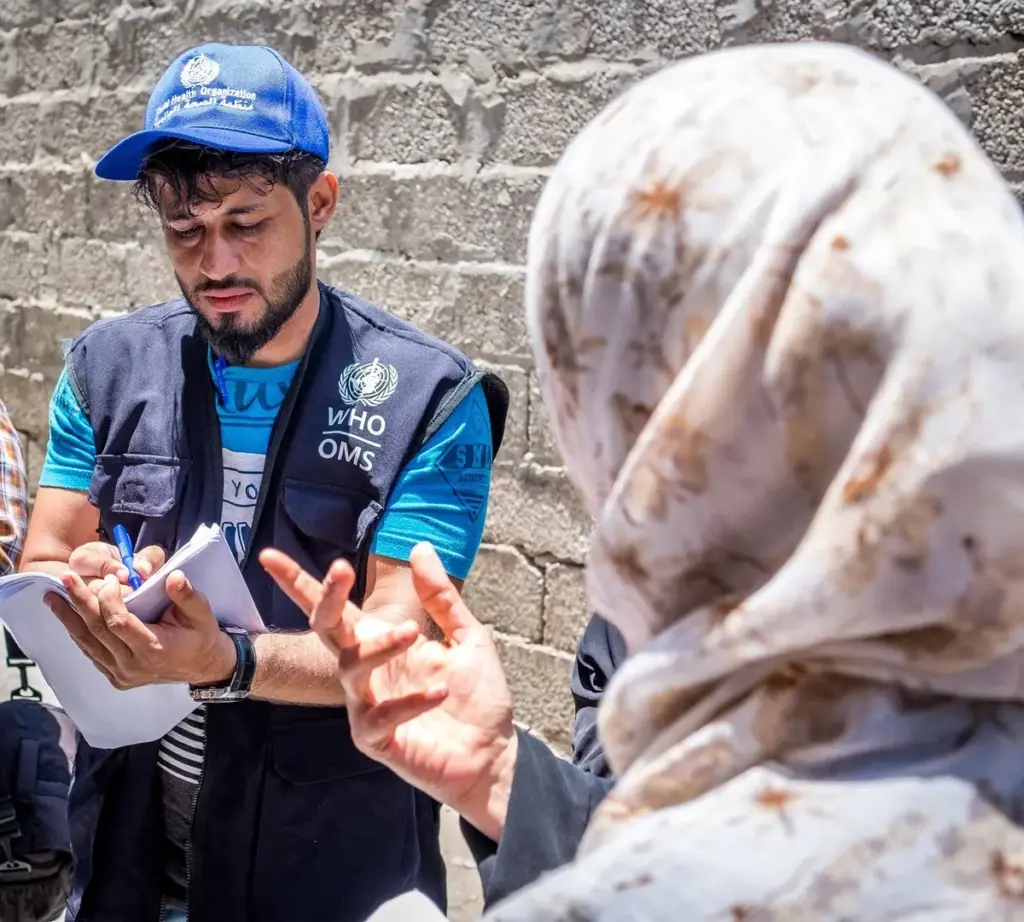
For individual citizens and communities, the benefits of the SCORE initiative are tangible. By enabling more accurate health reporting, the package helps identify outbreaks faster, track the spread of diseases more effectively, and monitor the long-term health trends that dictate policy decisions. When health data is accurate and disaggregated—meaning it is broken down by age, gender, geography, and other demographics—it allows for a more equitable distribution of medical resources, ensuring that the most vulnerable populations are not left behind.
Dr. Samira Asma, Assistant Director-General for Data, Analytics and Delivery for Impact at the WHO, stressed the urgency of the moment. "We must keep score to save lives. WHO is committed to working with countries and partners to rapidly scale up capacity for data collection and use in order to improve policy and performance," she stated. According to Dr. Asma, the time for half-measures has passed. "We must act now to invest in statistical systems in countries, respond to this pandemic and meet the Sustainable Development Goals (SDGs) and the Triple Billion targets. Our window of opportunity is closing, and we cannot wait to address data gaps. Data use to address country needs has to be a priority today."
The emphasis on "country-owned" data is a hallmark of the new initiative. The WHO recognizes that for health systems to be truly resilient and sustainable, they must be built on a foundation of locally managed and verified information. By empowering nations to own their data, the SCORE package fosters a sense of accountability and ensures that public health strategies are tailored to the unique socio-economic and cultural contexts of each nation.
The COVID-19 pandemic, while catastrophic, has also provided a unique impetus for international cooperation. The development and deployment of the SCORE package are emblematic of this shift toward a more collaborative global health architecture. By providing a common set of tools based on shared standards, the WHO is promoting a culture of information-sharing that is essential for combating a global pandemic. The package is intentionally designed to be practical, actionable, and flexible, acknowledging that one size does not fit all in the diverse global health landscape.
As the initiative moves forward, the WHO has announced that additional components of the SCORE Technical Package will be released later this year. These upcoming additions will include the SCORE Assessment Instrument, as well as a series of global, regional, and country-specific status reports. These reports are expected to provide a comprehensive baseline for nations to monitor their progress against national and subnational priorities, as well as their alignment with broader global health targets.
Ultimately, the SCORE Technical Package is more than just a collection of documents and guidelines; it is a strategic investment in the future of global health security. By fostering a more disciplined approach to data collection and analysis, the WHO aims to ensure that when the next major health crisis emerges, the international community will be equipped with the information necessary to act decisively, efficiently, and equitably. As countries begin to integrate these tools into their own systems, the hope is that the global health community will move closer to a reality where no life is lost due to a lack of data, and where health information is used as a powerful, universal tool for human progress.